

Photo: MDC
It seems bears are getting around lately. Bear sightings in several counties in the St. Louis region, and one even making rounds recently in Webster Groves, Richmond Heights, and Brentwood, show that Missouri’s largest mammals aren’t just confined to the deep Ozarks anymore.
Given that appearances by bears are becoming more common each year, Missouri Department of Conservation (MDC) wildlife biologists anticipate that they will only increase with time as Missouri’s bear population continues to grow. This makes learning about bears more relevant than ever.
MDC is offering a virtual Bear Aware program Wednesday, June 2, from 6:30-8 p.m. to help participants become more acquainted with these remarkable animals. The event is open to all ages.
Black bears are Missouri’s biggest omnivore and are making a comeback in our state. Join MDC naturalists as they offer practical tips and measures that will help homeowners, hikers, and campers share bear country with bears safely.
“We will talk about how to prevent attracting bears to your home and how to avoid bear conflicts while camping,” said MDC Naturalist Nicki Wheaton. Wheaton also said that the program will delve into the lives and natural history of bears and will take a look at the first ever Missouri black bear hunting season coming this fall.
Bear Aware is a free program; however, advanced online registration is required at https://short.mdc.mo.gov/Zrp. This is a virtual event through WebEx. Participants will receive an email invitation from Nichole.wheaton@mdc.mo.gov with the link approximately 24 hours prior to the event. Please check junk mail/spam folders if you do not receive the invitation.
MDC offers many free educational programs in the St. Louis region to help people discover nature, fishing, hunting, and the outdoors. Stay informed by going to the MDC St. Louis regional events page at https://short.mdc.mo.gov/ZP6.


 Missouri State Parks has joined the National Audubon Society to add 22 state park trails to the society’s Birdability website. Through the Birdability program, the Audubon Society and partner entities across the nation strive to make bird watching, also known as birding, accessible to everyone, regardless of disabilities or other health concerns.
 While this is a walk-through sale, shoppers can also pre-order plants from the vendors and have orders ready to pick up at the sale. Please contact the vendors below to order and pre-pay for your plants. Note that each vendor is a separate business and may have different arrangements and requirements for ordering. Volunteers will be available to load plants into your car if you need assistance.


 The U.S. Department of Education announced
 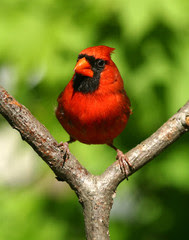 Spring is here! Join us as we search for migrating and nesting birds throughout Columbia Bottom Conservation Area.
 Environmental Echo