Category Archives: Outdoor/Nature

Image

Fall Colors Are Coming! – Hit the Water and Kick Back for Fun at Creve Coeur Lake

Plenty of canoes and kayaks are available for use at the Creve Coeur Lake Rentals.

By Don Corrigan

Popular venues for major outdoor activities in the St. Louis area include Forest Park, the Gateway Arch grounds and Jefferson Barracks. But Cheryl Beckmann wants you to know you’re missing out if you don’t include Creve Coeur Lake.

Beckmann touts the miles of hiking and biking trails, plus a recreational lake for kayaking, canoeing and boating. There’s also a sandy beach for sunning, sand castle building or casting to catch the big one.

Of course, Beckmann readily admits  she has a vested interest in promoting fun times at the 2,125-acre park that includes a 320-acre lake. She and her husband, Rick, have operated Creve Coeur Lake Rentals for the past 13 years.
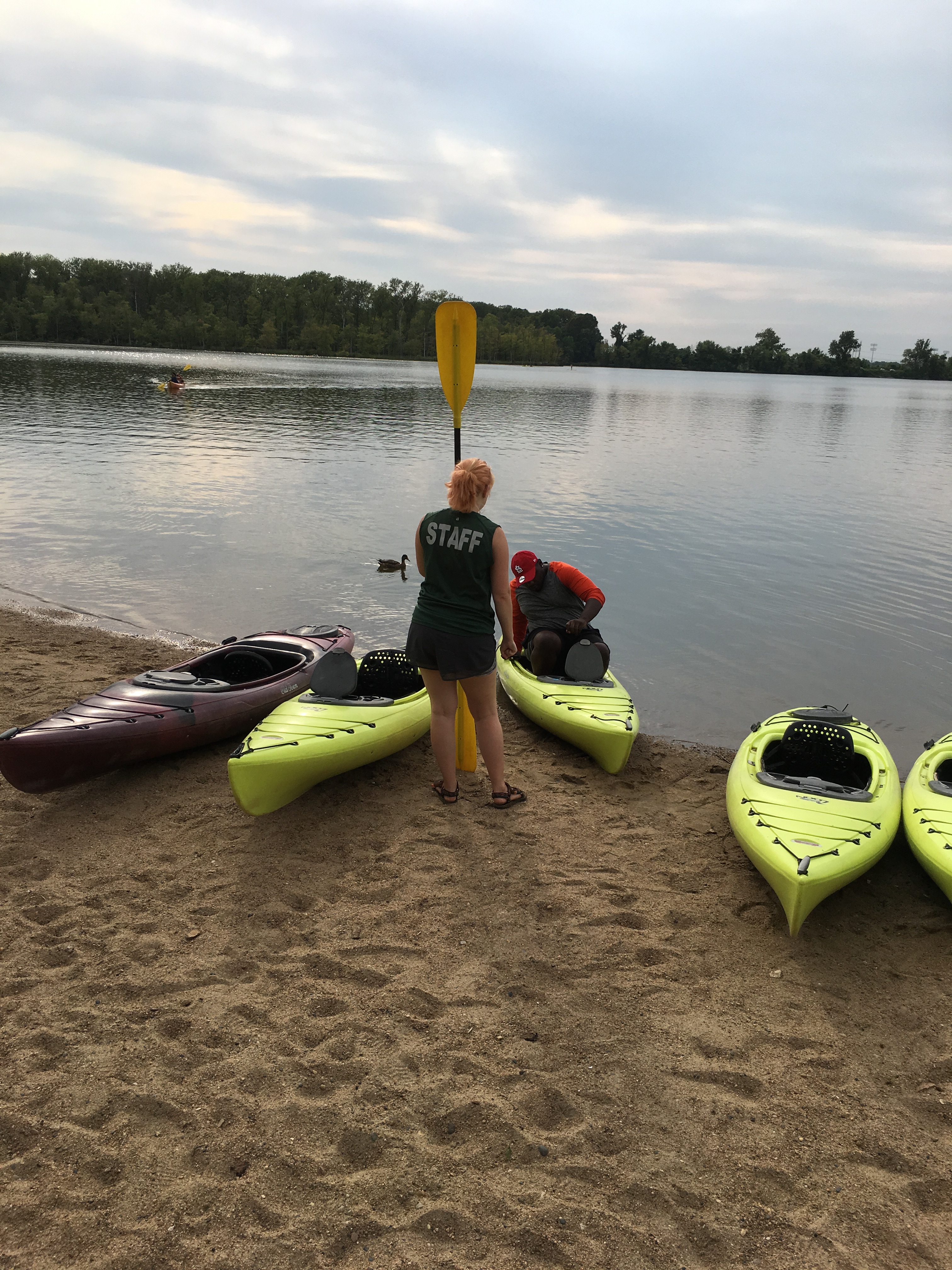
A staff member at Creve Coeur Lake Rentals prepares a kayaker for a trip on the lake located east of the Missouri River.

If you need a mobile surrey for the loop trail, or a single or tandem kayak, canoe or paddle board for the lake, the Beckmanns have you covered with rentals on the shoreline  just northwest of the park’s famous waterfall.

“We were out on the lake 15 years ago in our canoes, and some people on the shore asked if they could rent them from us,” said Cheryl Beckmann. “So I said to myself, that sounds like a great idea. We should start a rental business.

That’s exactly what they did.

“We started with five canoes and two quad bikes, and it just took off from there,” she explained.

Continue reading →

Image

Native Gardens of Excellence Program inducts Peers Store Pollinator Garden Near Marthasville, MO

The Grow Native! Native Gardens of Excellence program has inducted the Peers Store Pollinator Garden, located at 16011 Concord Hill Road near Marthasville, on the Katy Trail at Mile Marker 81.2.

Along with four more newly inducted sites, this garden joins 20 other locations in Missouri, Arkansas, Kansas, and Illinois recognized by the program since it launched in 2021.

With its location on the Katy Trail, this pollinator garden, a partnership between Missouri State Parks and Magnificent Missouri, provides tens of thousands of yearly visitors a look at native plants and how powerful they can be in transforming a landscape. Visitors can see a prairie reconstruction with a variety of native plants, like rattlesnake master, sideoats grama, and slender mountain mint, that support wildlife and beautify the surroundings.

Continue reading →

Image

Missouri Wine Country: Beauty Worth Protecting

Pictured: Dan Burkhardt

by Dan Burkhardt

Missouri Wine Country is getting noticed. Its grapes and wineries have made more news in the past two years than when a state wine was named “best red wine of all nations” in Vienna in the late1800s. With growing prestige, it may be time for Missouri Wine Country to learn a thing or two from Napa Valley.

America’s, and probably the world’s, best known wine destination is Napa Valley. Napa’s Mediterranean climate, scattered small towns, and location just a short drive from San Francisco make for a grape-growing mecca.

However as they looked at their future way back in the 1960s, Napa County leaders saw this list of remarkable advantages as something that also held the potential to destroy the natural beauty and rural ambience that was the area’s greatest asset. They realized the need to develop a plan to protect what people came to Napa for — the rustic and open feel of the valley itself. They established the Napa Valley Agricultural Preserve.

A recent article about Napa asked, “What really draws people to the Napa Valley?”

Continue reading →

Image

Rock Island Trail State Park: Missourians Get Their 93rd State Park That’s 47.5 Miles Long

All photos courtesy Bruce Sassmann.

By Don Corrigan

Missourians got their 93rd State Park, which is a total of 47.5 miles long, when mayors, state officials and citizen supporters had an unveiling and a little speech-making on June 30 in Windsor, Mo.

Among those in attendance was Rep. Bruce Sassmann, R-Belle, who has been
advocating for the park to extend 144 miles across the state. It would rival the Katy Trail State Park as a wonderful route for hikers, bikers, sight-seers and outdoor enthusiasts.

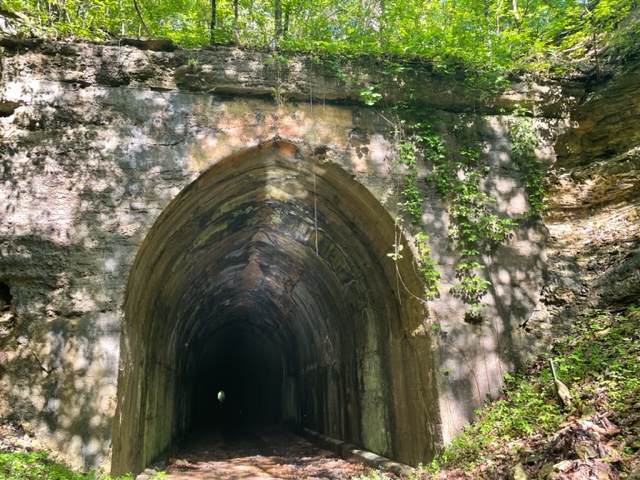
Sassmann advocates for the completion of the Rock Island Trail State Park and will frequently show photos of the corridor and the amazing sights and scenes that will be available when funding becomes available to complete the corridor’s entire length. Some of those visuals are posted with this article.

With completion of the Rock Island Trail State Park, the corridor will likely have
trailheads at Windsor, Ionia, Cole Camp, Stover, Versailles, Barnett, Eldon, Eugene Meta Argyle Freeburg Belle Bland Owensville Rosebud Gerald Beaufort and Union.

The open section now runs 47.5 miles from Pleasant Hill to Windsor. There are five trailheads, including the trailhead at Windsor that the park shares with Katy Trail State Park.

This developed section was originally considered the Rock Island Spur of Katy Trail State Park. With the acquisition of the Rock Island Railroad corridor, the developed spur became part of Rock Island Trail State Park.

Rock Island Trail State Park is part of a larger rail-to-trail system within Missouri State Parks. At Windsor, Rock Island Trail State Park connects to Katy Trail State Park, the nation’s longest developed rail-trail stretching 240 miles between Clinton and Machens in St. Charles County.

Katy is built on the former corridor of the Missouri-Kansas-Texas Railroad (MKT or Katy) and features 26 trailheads and four fully restored depots along the way. The trail is open to walkers, hikers and bicyclists with sections also open for equestrian use. Katy Trail State Park annually attracts more than 400,000 visitors.

Rock Island Trail State Park will connect to Jackson County’s Rock Island Trail and will become part of a trail network spanning the entire state of Missouri, linking Kansas City to St. Louis.

At the recent unveiling of Missouri’s 93rd State Park, the Missouri Department of Natural Resources released some fascinating factoids about the corridor:

Did you know…

Continue reading →

Image

Sunflower’s Are Back at Columbia Bottom Conservation Area Despite Drought

Photo courtesy of the MDC.

Missouri is starting off summer in droughty conditions.  Sunflower fans will be pleased to know that Missouri Department of Conservation (MDC) biologists still expect the sunflowers planted at Columbia Bottom Conservation Area in Spanish Lake to put on a show this year.   MDC staff has continued to plant multiple sunflower plots again this season.

Though the extremely dry conditions can put a lot of stress on plants and wildlife, MDC staff believe we’ll still see a good amount of blooming in the sunflower fields.  If the plants are especially stressed, the flowers may be somewhat smaller than previous years, and they might shift their blooming a little earlier and end a bit sooner.  But there should still be plenty to see for sunflower enthusiasts and photographers.

Showy sunflower fields have been an annual tradition at Columbia Bottom Conservation Area.  MDC staff have been planting sunflowers for years as part of their management for mourning doves.  The area is known for dove hunting each September.  The large flowers supply seeds that entice the birds, and their lofty stalks create cover for the hunters who pursue them.  Sunflowers also benefit a wide variety of other birds and pollinators.  They lure plenty of photographers, too.

MDC work crews began planting additional sunflower stands in addition to the regular dove management fields again a few years ago.  These viewing fields are easily spotted from the road and intended to provide convenient access for taking photos.  MDC crews also stagger the timing of the plantings to spread their blooming periods out over a longer period.  Visitors should be able to see sunflowers in bloom somewhere on the area from early July through the middle of August—depending on weather conditions.

Continue reading →

Image

Outdoor Writing Workshop: Press Club Joins Up With MoBOT For Nature Inspiration

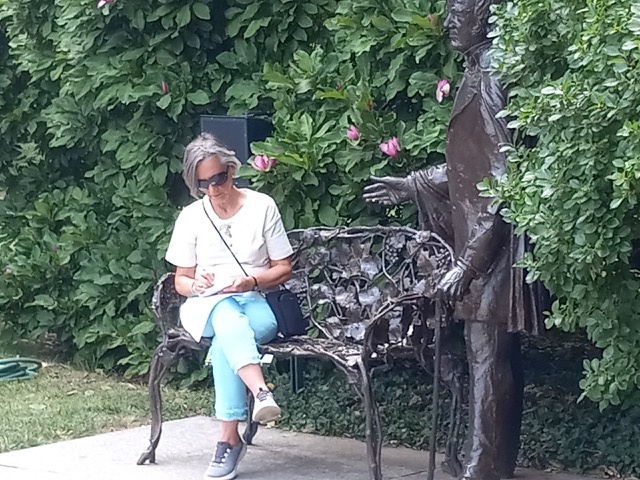
Press Club members pause in the English Woodland Garden at the Missouri Botanical Garden to collect their thoughts before composing prose at a nature writing workshop. Photo by Jessica Brown.

by Don Corrigan

You don’t have to go to David Thoreau’s Walden Pond or Joan Didion’s Tinker Creek to get some outdoor inspiration for writing prose and poetry. The Missouri Botanical Garden has some perfect spots, some quieter than others, for inspiration.

Michaella Thornton and Sean Dougherty give nature writers some instructions and encouragement before a June 10 creative writing workshop at the Missouri Botanical Garden. Photo by Jessica Brown.

Earlier this month, St. Louis Press Club members were hosted by the Missouri Botanical Garden to take a nature writing tour led by Sean Dougherty and Michaella Thornton.

Doherty is vice president for education for MoBOT and Thornton is an award-winning educator whose work has been nominated for a Pushcart Prize, best of the Net and Best Microfiction.

The educational tour was designed to acquaint participants with special park locations, to build nature vocabularies, and to provide background on the natural world and local landscapes.

Participants were invited to bring their electronic tablets or pens and notebooks. There was plenty of space and time allotted for some short writing exercises.

Among the park sites visited:

– The Victorian District, which includes statues and the home of Henry Shaw.

– The English Woodland Garden, with tall, leafy trees shading a hot sun.

– The Japanese Garden, with its soothing waters gurgling away.

At the Victorian District, Thornton read from Aimee Nezhukumatathil’s Calendar Poetica, including this excerpt: “My writing instrument is a Sheaffler fountain pen with a #304 nib. Everything else in my life is chaos: I am, of course, sleep-deprived, and the edges of my garden start to blur and shimmer as if near a gas flame  … ”

Continue reading →

Image

Missouri’s Black Bears: Will Missouri Join Well-Known Bear Roadkill States?

Photo courtesy MDC.

by Don Corrigan

Roadkill bear news stories usually originate from states such as Florida, Montana, Wyoming, Michigan and California. However, an increase in black bear population and bear highway incidents may put Missouri on the roadkill road map for large animals.

The most recent bear-versus-traffic incident in the Show-Me-State happened shortly before Memorial Day. A black bear that had been spotted in the Festus-Crystal City area was struck by a vehicle and killed on Tuesday, May 23, according to authorities.

Festus Police reported that at 9:10 p.m. a bear was struck by a vehicle and was found lying in the median of I-55 south of Highway A. The location is about 20 miles south of St. Louis.

This was not the first time a bear was struck and left as roadkill on I-55 in southern Jefferson County. According to the Missouri Department of Conservation (MDC), bear sightings are more common this time of year, because mothers push male cubs to go out on their own.

Bears wandering in populated areas present a danger in any state. Nationally, a number of states far surpass Missouri in bear populations and roadkill traffic incidents with bears.

Continue reading →

Image

Chowing Down On Muskrat: “Muskrat Love” Is Not Just About A 1970s’ Wildlife Love Song

The tradition of eating muskrat during Lent began in the 1780s, when French Catholics from Detroit moved south to establish homesteads in what now is known as Michigan’s Downriver region. To survive the harsh winters, trappers and hunters ate muskrat, a tradition that continues with Michigan’s annual muskrat dinners in February.

by Don Corrigan

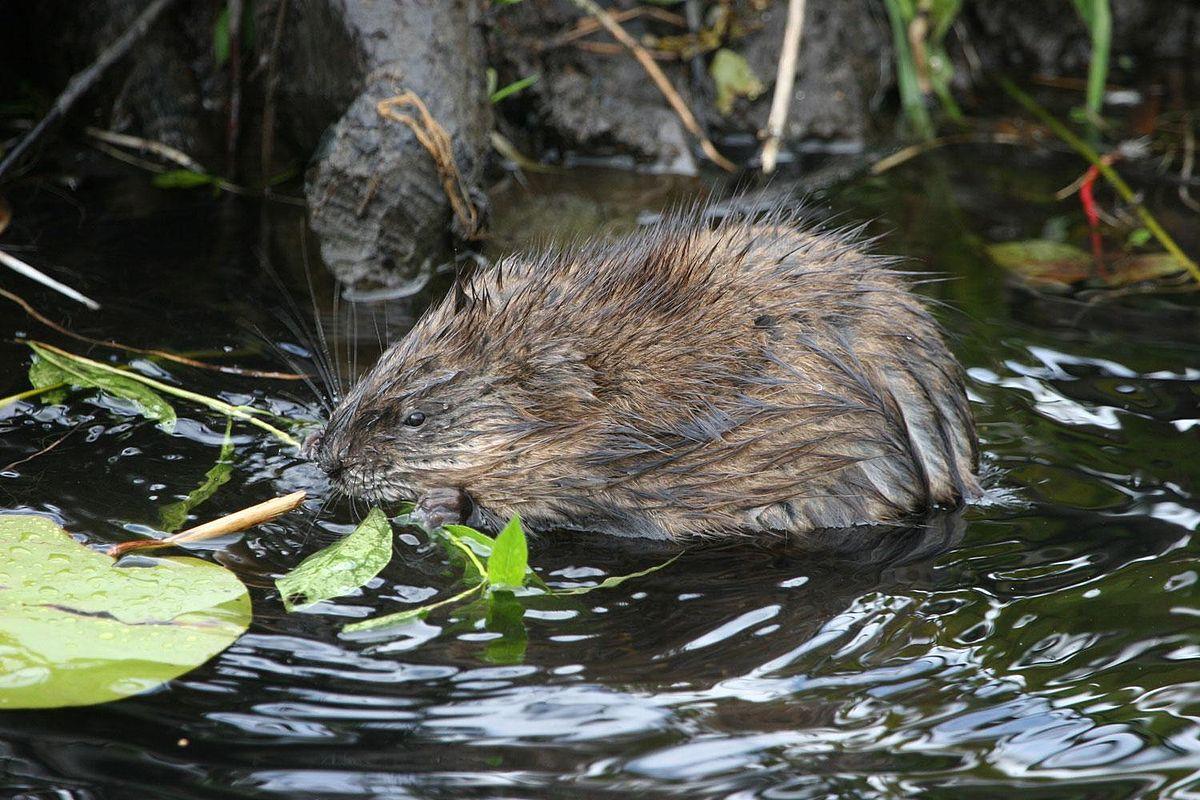
“Muskrat Love” is a romantic rock hit by Captain & Tennille from the 1970s. But muskrat love can also be about firing up the old taste buds with a savory muskrat steak or a garlic-seasoned muskrat smothered in onions.

An American tradition of chowing on muskrat began in the 1780s. That’s when French Catholics from Detroit moved south to establish homesteads in what’s known as the “Downriver Region.” To survive the harsh winters, trappers and hunters ate muskrat.

The downriver dining tradition was carried to other parts of the United States, including Missouri with its many rivers and its fur trappers. Fur trappers sometimes survived on the little critters as they headed west in pursuit of pelts.

Today, a muskrat meal is not considered a culinary delight in Missouri, but the eating tradition continues in parts of Michigan. In Missouri, you will not find Missouri Conservation Department officials offering muskrat recipes in their MDC literature.

Continue reading →

Image

MDC Reminds St. Louis Regional Residents To Take Precautions After Recent Bear Incident

Photo courtesy MDC.

On May 23, a bear was struck and killed on I-55 near Festus—a reminder that bears are especially active this time of year, and that bear-human encounters are more likely.

The Missouri Department of Conservation (MDC) reminds St. Louis region residents black bears are becoming a growing part of the St. Louis area landscape, even at times in highly populated areas.

MDC’s ongoing bear research indicates the Show-Me-State is currently home to around 900 black bears, and that population is growing by 9% each year.   Only one species can be found in this state—the American black bear (Ursus americanus)—though multiple color phases can occur in Missouri other than black, such that a bear’s fur can be brown, red, or cinnamon in color.

Most of our bears are found in the southern part Missouri, according to MDC wildlife biologists, which is where the largest tracts of forested habitat are.   Despite their primary concentration in the Ozarks, sightings and potential encounters with bears are likely to increase in the St. Louis region as the population continues to grow.

Find helpful tips below to avoid issues if a bear has been reported near your area.

Continue reading →

Image

Saint Louis Zoo Unveils Plans for the Henry A. Jubel Foundation Destination Discovery

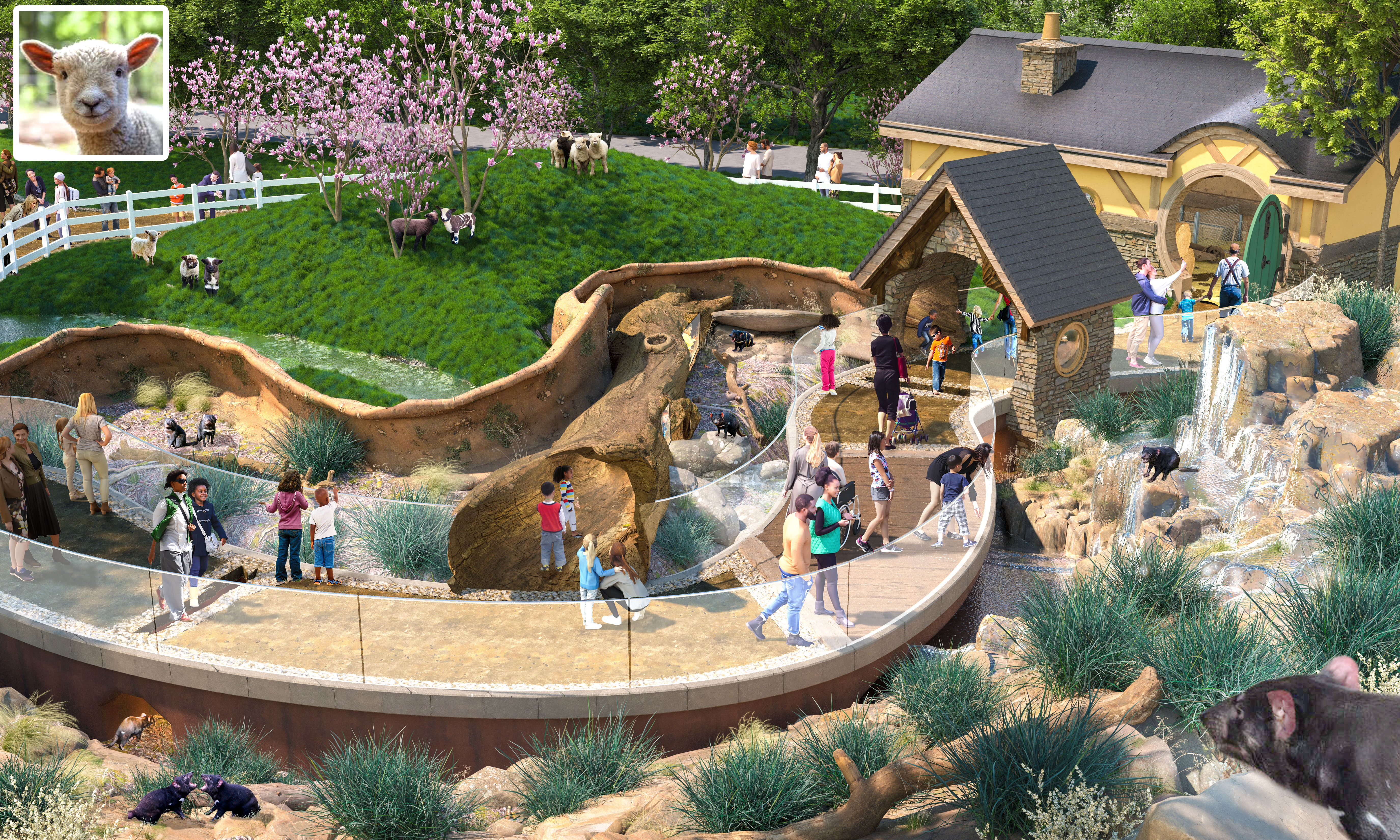
Tasmanian devils and babydoll sheep are ambassadors for shrinking forest habitat and how human activity interacts with the sustainability of wild animal populations. The immersive Tasmanian devil exhibit, one of only three devil exhibits in the U.S., features a climb-through tree trunk with a wildlife underpass, allowing the devils to reach both sides of the habitat. This area offers guests a great opportunity to learn about wild animals living in communities with people. Artist renderings courtesy Saint Louis Zoo.

The new experience for children and families will have animal adventures at every turn. The target public opening is planned for 2026.

The Saint Louis Zoo recently shared plans for the new experience for children and families on site of the current Emerson Dinoroarus, formerly Emerson Children’s Zoo.

“Thanks to an incredibly generous $15 million lead gift from the Henry A. Jubel Foundation, we are able to carry forward the goal of the previous Children’s Zoo by providing dynamic experiences for children and families that will inspire a love of animals and learning, but in new and innovative ways,” said Dwight Scott, Dana Brown President & CEO, Saint Louis Zoo. “Destination Discovery will have animal adventures at every turn. You will be able to explore and play side by side with animals, building connections to the natural world.”

Development of the 2.8-acre Henry A. Jubel Foundation Destination Discovery is estimated to cost $40 million with funding coming from a variety of sources, including philanthropy. With a target public opening slated for 2026, construction will begin in 2024. The temporary exhibit Dinoroarus will close Nov. 5, 2023.
Continue reading →