
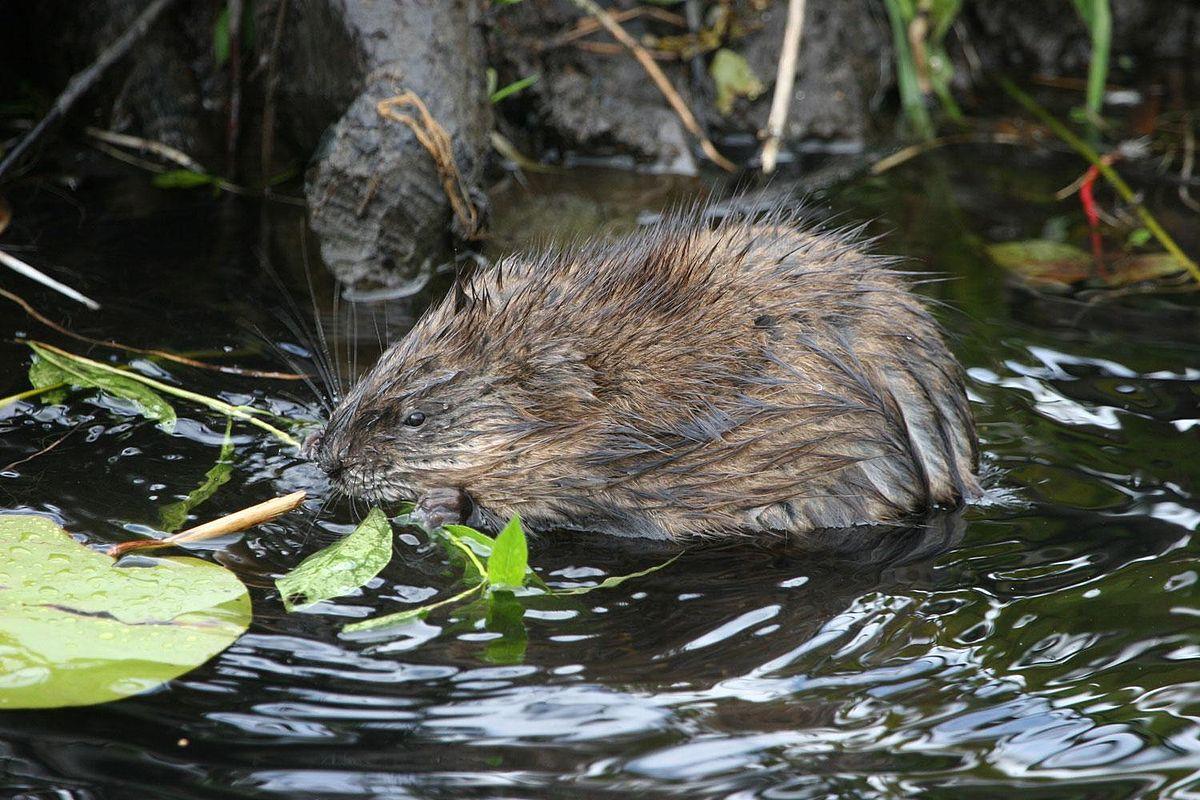
The tradition of eating muskrat during Lent began in the 1780s, when French Catholics from Detroit moved south to establish homesteads in what now is known as Michigan’s Downriver region. To survive the harsh winters, trappers and hunters ate muskrat, a tradition that continues with Michigan’s annual muskrat dinners in February.
by Don Corrigan
“Muskrat Love” is a romantic rock hit by Captain & Tennille from the 1970s. But muskrat love can also be about firing up the old taste buds with a savory muskrat steak or a garlic-seasoned muskrat smothered in onions.
An American tradition of chowing on muskrat began in the 1780s. That’s when French Catholics from Detroit moved south to establish homesteads in what’s known as the “Downriver Region.” To survive the harsh winters, trappers and hunters ate muskrat.
The downriver dining tradition was carried to other parts of the United States, including Missouri with its many rivers and its fur trappers. Fur trappers sometimes survived on the little critters as they headed west in pursuit of pelts.
Today, a muskrat meal is not considered a culinary delight in Missouri, but the eating tradition continues in parts of Michigan. In Missouri, you will not find Missouri Conservation Department officials offering muskrat recipes in their MDC literature.
The University of Missouri Extension Service also does not offer ideas for muskrat ragout or aquatic rodent stew. MDC and university wildlife experts do offer ideas on how to deter or trap muskrats, especially if they’ve invaded your pond or property.
“Muskrats breed from early spring until fall, giving birth to two to three litters a year,” noted Robert A. Pierce II, an Extension Fisheries and Wildlife Specialist. “Each litter contains four to seven young. Although born naked and helpless, young muskrats grow rapidly and are independent at one month of age.
“Feeding habits of muskrats may result in damage to agricultural or ornamental crops growing near water, but the principal cause for concern is the potential damage to ponds and lagoons,” said Pierce. “Damage occurs from muskrat burrowing and tunneling activities that may result in water leaks.”
Pierce explains that muskrats are medium-sized, brown rodents with a thick body and short legs. An adult weighs about 2.5 pounds and can be 25 inches long, including its 11-inch black tail. Large, broad hind feet are partially webbed for swimming.
According to Pierce, muskrats in Missouri are classified as furbearers and their harvest is governed by a regulated-trapping season. MDC reports that the next muskrat trapping season for pelts will begin Nov. 15, 2023 and run to Feb. 29, 2024.
Michigan’s Muskrat Fridays
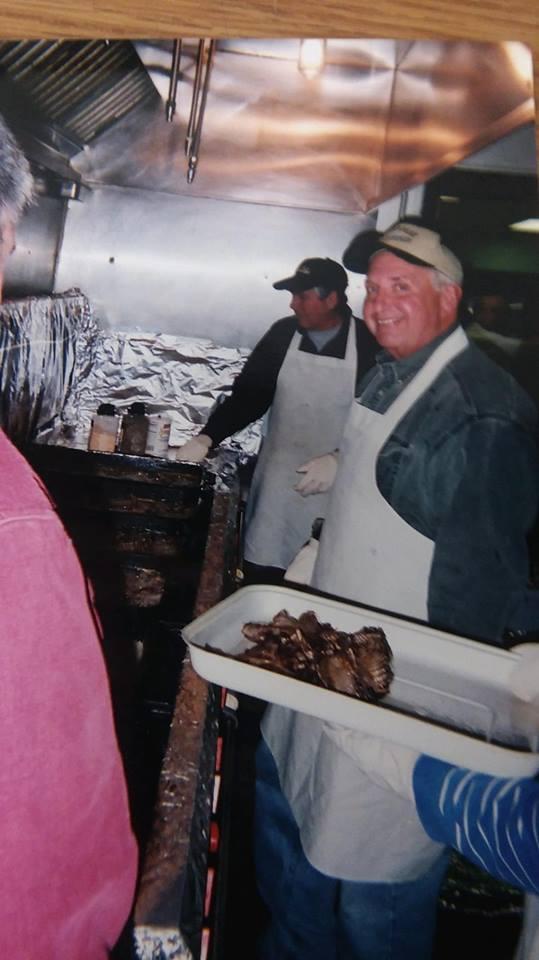
Smiles abound at the grill during a 2003 Michigan muskrat dinner. (Courtesy of Robert “Cricket” Fleming)
It’s not just about the fur for muskrat trappers in Michigan. The joy of eating muskrats has been around for 250 years for Michiganders. Surprisingly, there’s a bit of religious history that enters the mix when talking about muskrat consumption in Michigan.
Harsh winters that extended into March made life difficult for settlers. Often the only food left to consume in late winter was woodland deer or muskrats lingering along Michigan riverbanks. However, Lenten requirements barred Catholics from eating meat for the entirety of Lent.
During the early years of the 19th century, a humble pastor in Detroit, Father Gabriel Richard, lobbied for a dispensation so the region’s residents could consume muskrat throughout the Lenten season. With fears of starvation, the request was granted.
The tradition of Lenten muskrat dinners extended into our own century when the Detroit Archdiocese in 2002 outlined laws of fasting and abstinence, and explained that “there is a long-standing permission – dating back to our missionary origins in the 1700s – to permit the consumption of muskrat on days of abstinence, including Fridays of Lent.”
“St. Charles Borromeo Church in Newport served annual muskrat dinners in February up until the pandemic hit,” said Joseph Boggs, a public high school teacher and Michigan historian. “The church served up to 900 muskrats on Fridays.
“With the pandemic, church suppers were put on hold, so local firefighters picked up the tradition,” explained Boggs. “Some firefighters trap them for the dinners. The muskrats are cleaned, parboiled with onion, spices and celery, and later fried in a pan.”
Boggs said he doubts there is a “muskrat-eating tradition, like Newport’s Friday Lenten dinners, anywhere else in America. He said the ugly, waterborne rodents taste like duck, chicken or garlic beef steak, depending on their preparation.
As Americans look for a more sustainable diet than hamburgers and factory-farm chicken, Boggs said they could not do better than the muskrat. He stressed that they reproduce rapidly and grow naturally. They’re a sustainable source of protein.
Not everybody can stomach a muskrat steak, Boggs conceded. He recalled the story of Lansing Bishop Kenneth Povish whose personal distaste for the rodent led him to quip: “Anyone who can eat muskrat is doing penance worthy of the greatest of the saints.”
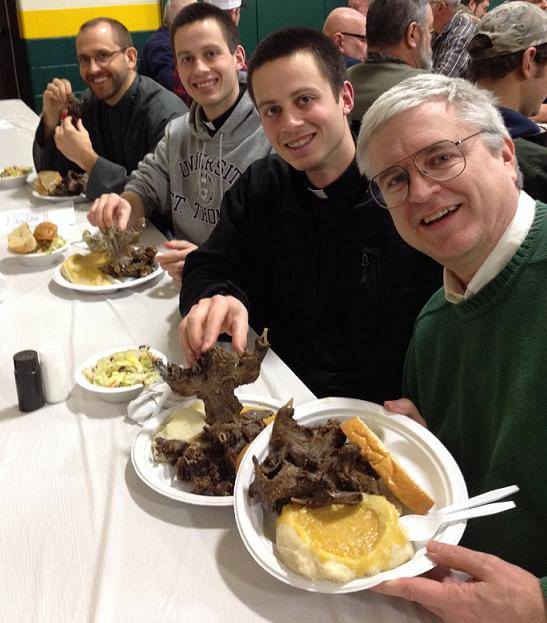
Priests and religious brothers often attend the annual muskrat dinners in Michigan, which have served more than 900 plates of muskrat on Fridays in February. (Photo by Father Tim Laboe, courtesy of Edward Peters)
Missouri Muskrat Haters
Missouri residents generally hate muskrats, too, especially in the northeast quadrant of the state. They do not want muskrat for dinner. They do not want to listen to the Captain & Tennille crooning about muskrat love or the amorous antics of the furry critters.
Captain & Tennille’s cute lyrics about Muskrat Sam and Muskrat Sue were highlighted by synthesizer music interludes. The musical sounds were meant to mimic the chatter and swooning of muskrat foreplay.
Folks in Winfield, Missouri, find nothing amusing about amorous muskrat behavior. There’s no love lost between the average Winfielder and the average muskrat. Blame those hard feelings on the Mississippi River flooding of 2008.
In 2008, muskrat burrows on the river side of the Pin Oak Levee caused it to sag and then collapse. Water rushed over thousands of acres. An additional wall of sandbags could not hold back the water from invading more than 100 homes.
Newspapers across America told the story of how Missouri’s muskrats turned an earthen stronghold into a soggy mush. In the nation’s capital, the Washington Times ran a news account with an accusatory headline: “Muskrat destroys Missouri Levee.”
Several Missouri newspapers hinted that the guilty muskrats of Winfield were finally captured by the National Guard and were not treated too kindly. State laws allow the trapping and shooting of muskrats deemed guilty of property damage.
Of course, Winfield’s muskrats had their defenders. Some argued the musky burrowers were not the dirty rats they were made out to be. They argued the pesky varmints just don’t dig deep enough to bring down a properly-constructed levee.
Other watery rodent defenders argued that if they did bring down the levee, the muskrats performed a service by easing the flooding downstream in Old Monroe and St. Charles counties.
Whether the much-maligned muskrats can ever beat the rap for flooding Missouri farmland in 2008 is doubtful. Winfield residents continue to scapegoat the lowly muskrats for the demise of the Pin Oak Levee in the great 2008 flood.
In any case, Michiganders have a little advice about muskrats for all Missourians: If you can’t beat ’em, eat ’em.
(Author Don Corrigan last wrote about amazing muskrats with the publication of his book, Show-Me…Nature’s Wrath, in 2009 by Reedy Press)

