Category Archives: Environment

Image

Consumers Turn To Insect Protein As Meat Disappears from Grocery Shelves

Sarah Schlafly, CEO of Mighty Cricket, with Jacob Pratt, general manager for St. Louis area FroYo locations.

St. Louis Startup Combats COVID-19 Meat Shortages

As grocery store meat cases empty, some consumers are seeking alternative sources of protein – from insects. This is exactly what St. Louis startup Mighty Cricket had been anticipating when it launched in 2018 with its line of all-natural cricket protein powders, decadent protein oatmeals, and wholesome protein pancake mix.

Mighty Cricket’s founder, Sarah Schlafly, explained, “Mighty Cricket was born out of the realization that the whole nation is food insecure. Our nation’s food system is incredibly fragile. One major catastrophe and we’re all suffering from food supply issues.”

Determined to create a sustainable food system, Mighty Cricket launched with a mission to build a clean protein supply to sustain the world.

Schlafly’s concerns about the U.S. food system was realized during the COVID-19 pandemic when supply chain issues forced farmers to destroy millions of pounds of fresh foods. In a letter published recently by John Tyson, chairman of the board at Tyson Foods, Tyson echoes Schlafly’s alarm, “The food supply chain is breaking.”

Continue reading

Image

EPA Helps To Reduce Diesel Emissions With School Bus Rebates

The U.S. Environmental Protection Agency (EPA) awarded a total of $1,030,000 to 23 Missouri school districts and one Missouri school bus transportation company to replace 52 older diesel school buses.

The funds are part of $11.5 million to replace 580 buses for 157 school bus fleets in 43 states and Puerto Rico, each of which will receive rebates through EPA’s Diesel Emissions Reduction Act (DERA) funding. The new buses will reduce pollutants that are linked to health problems such as asthma and lung damage. The program awarded the funds in conjunction with the 50th anniversary of Earth Day.

“Earth Day’s primary goal is to protect the environment for future generations. These rebates help do just that by continuing to improve air quality across the country and providing children with a safe and healthy way to get to school,” said EPA Administrator Andrew Wheeler. “While many fleets are currently off the road, when these local school districts start up again, EPA and the Diesel Emissions Reduction Act have helped equip them with cleaner running buses, moving farther along the route to healthier kids and communities.”

Continue reading

Image

Visiting A Zoo Is Good For Your Health New Study Shows

Photo courtesy Saint Louis Zoo

new scientific study authored by Saint Louis Zoo researchers concludes that immersive, naturalistic exhibits in zoos can elicit positive changes in physiological and psychological measures of health and well-being of visitors. In other words – a visit to the zoo is good for your health!

The study titled “Changes in human health parameters associated with an immersive exhibit experience at a zoological institution” was published on Friday, April 17, 2020, in PLOS ONE.

“At a time when the number of people living in urban areas is on the rise, and humans and the natural world are more disconnected, we are now fully realizing why we need the human-animal-nature bond to ensure public health,” said Sharon Deem, DVM, Ph.D., Director of Saint Louis Zoo Institute for Conservation Medicine and senior author of the study. “The evidence from this study supports the role of zoos and other green spaces in providing health benefits to zoo visitors,” said Deem.

Continue reading

Image

MDC Offers New Podcast Exploring Positive Impacts Of Nature

The Missouri Department of Conservation (MDC) is excited to announce the launch of its new podcast, Nature Boostwith a focus on the positive impact the outdoors has on each of us.

Research has shown that spending time outdoors is linked to an increase in overall physical health. Being outside has also proven to help decrease stress and anxiety, and help lower depression. For example, spending time in nature, conservation areas, backyards, and urban parks may ease stress levels, including increasing attention spans and creative problem-solving skills by as much as 50 percent.

“We’re very excited to share this Nature Boost experience with both our seasoned outdoor enthusiasts and those brand new to discovering nature,” said MDC Director Sara Parker Pauley. “It’s a chance to learn about the incredible natural resources we have right here in Missouri, including how those nature experiences are changing lives every day.”

Continue reading

Image

Is use of Bathroom Tissue an Environmental Issue?

by Don Corrigan

“I used to spin that toilet paper like I was on Wheel of Fortune. Now I turn it like I’m cracking a safe.” Several readers sent this piece of humor to me about a month ago. Unfortunately, it’s still relevant in the continuing age of the 2020 Pandemic.

I shopped at several grocery stores just in the last week. The squeeze on Charmin supplies is still ongoing. The cupboards were bare at several stores, except for a sign about rationing – only one package of Charmin, Angel, Coronet or Cottonelle per customer.

Toilet paper is still one of the most coveted items for care packages being assembled at local food banks and beyond. Rolls of paper are gladly accepted at Webster-Rock Hill Ministries. State Rep. Deb Lavender, D-Kirkwood, has put out a call for this essential commodity for those in need on so many levels.

Continue reading

Image

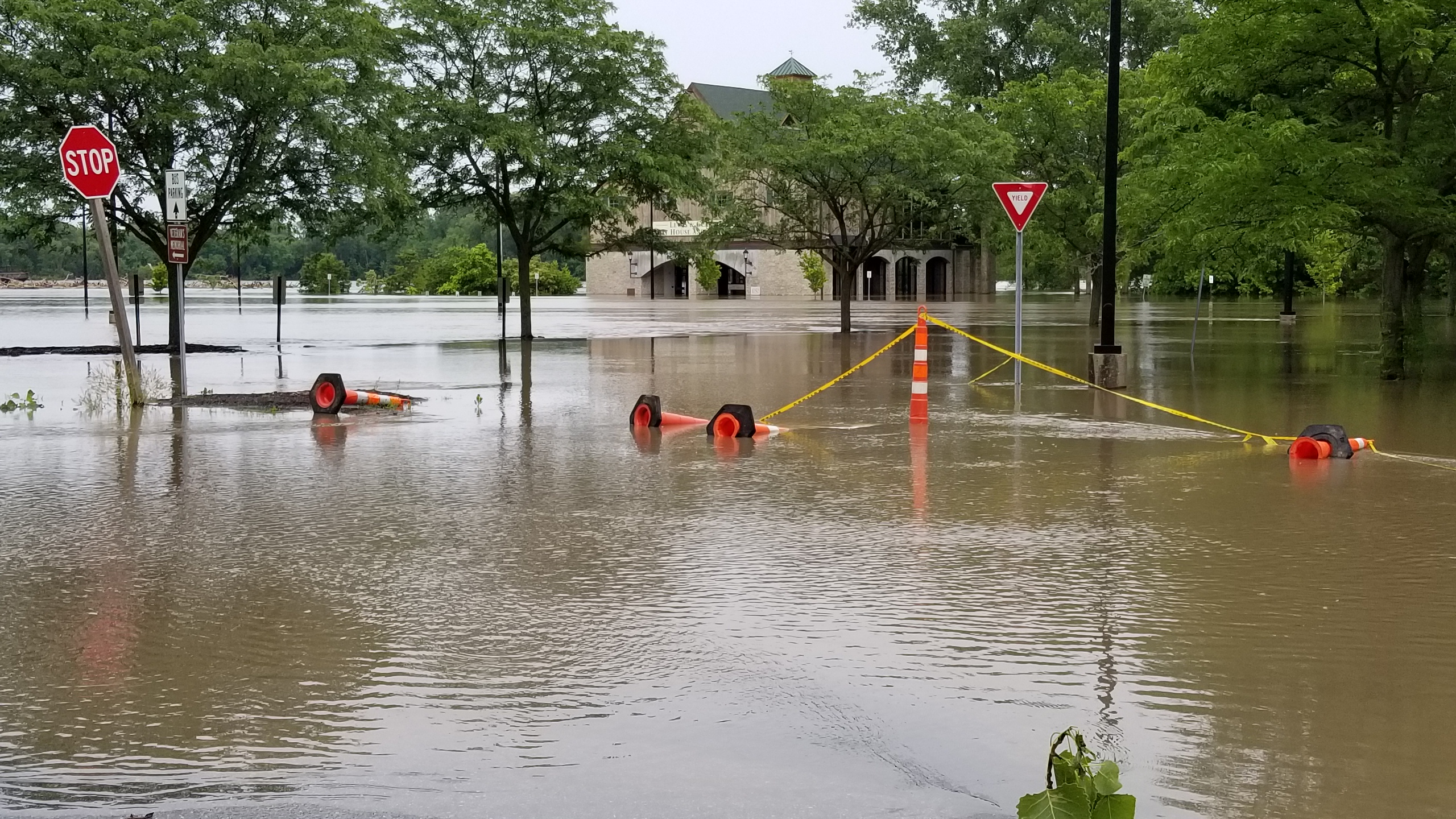
Flood Recovery Advisory Working Group to Meet May 13: Public Comment Period Included

City of St. Charles’ Frontier Park. Photos by Holly Shanks.

The Flood Recovery Advisory Working Group will meet at 1 p.m. on May 13. Out of caution surrounding the spread of COVID-19, participation in this meeting will be online only at dnr.mo.gov/videos/live.htm. When the public comment period begins, which will take place near the end of the meeting, the host will announce the call-in number individuals should use to comment.

Continue reading

Image

All Gassed Up — Nowhere To Go

BP station at the corner of Big Bend Boulevard and South Elm Avenue in Webster Groves. Photo by Ursula Ruhl (WKT)

Carl Campbell, editor of Carl’s Climate Letters, tells Don Corrigan that gas prices will continue to nosedive. He says the era of fracking is over due to the collapse of oil prices. 


By Don Corrigan

All gassed up, and nowhere to go. That’s a common refrain right now. Gasoline is cheap, but concert sites, sports stadiums, and amusement parks across the country are shuttered, thanks to the worst pandemic in America in over 100 years.

Continue reading

Image

St. Louis Cardinals Recognized For Sustainable Food Management

Cardinal Nation’s Kenny Chang, a 2008 Lindbergh High School grad in St. Louis, shows off some fan wear for the sustainable-conscious St. Louis Cards.

The U.S. Environmental Protection Agency (EPA) recognized the St. Louis Cardinals with a 2019 Food Recovery Challenge Regional Award.

“Food Recovery Challenge participants are leaders in showing how preventing food waste and diverting excess wholesome food to people is an environmental win and a cost-saving business decision,”said EPA Administrator Andrew Wheeler. “Their accomplishments serve as excellent examples to other companies, governments, organizations and communities.”

As part of EPA’s Food Recovery Challenge, organizations pledge to improve their sustainable food management practices and report their results.

“We applaud the St. Louis Cardinals for their continued commitment and success in reducing food waste from their operations, said EPA Region 7 Administrator Jim Gulliford.“Thanks to their initiative and innovation, the St. Louis Cardinals have helped the greater community reduce hunger, while also protecting our environment by diverting food waste from landfills.”

Continue reading

Image

Q&A: How COVID-19 Is Impacting The Food Supply Chain and Animal Welfare

Graphic courtesy Purdue University

Purdue University’s College of Agriculture offers the following questions and answers to provide background and insight into how COVID-19 is impacting the food supply chain and animal welfare. The information is provided by Jayson Lusk, distinguished professor and head of the Department of Agricultural Economics, Purdue University, and Candace Croney, professor, animal behavior and well-being, and director, Center for Animal Welfare Science, Purdue University.

If there’s a surplus at the farm, why is there a shortage in the grocery store?

See answer and more below.

Continue reading

Don Corrigan’s Top 10 Earth Day Songs!

By Don Corrigan

This is pitiful. It’s Earth Day Week. It’s Earth Day Month. And it’s dangerous to be outside and too dangerous to be too close to each other. A lot of us are sad and angry. We are angry because we are too smart for this. We were warned. We had time to prepare. We knew this could happen. We could have staved off the worst of this. We are sad, because we know this can and will happen again. Or will it? Maybe we will learn something. Or maybe we will point fingers and tear each other apart. So, it will be worse next time.

These songs are about degradation of the Earth. They are songs about losing our planet, because we did not take care of it. I think we need to face the music. I know there are those who will say that these songs are all too depressing. Why not, “The Sun Will Come Out Tomorrow” at a time of despondency and pandemic. Well, I don’t like Annie and her little dog, Toto, even after the witches have melted and there’s cotton candy at the baseball game. There’s not going to be cotton candy at a Cardinals’ game for a good while, so I am putting together my Top 10 songs about saving our planet. Some of them I listened to 50 years ago. I am not sure we are any closer to saving our earth, or ourselves, then in 1970. Isn’t that when  the first Earth Day began?

See the top 10 list of songs below.

Continue reading