
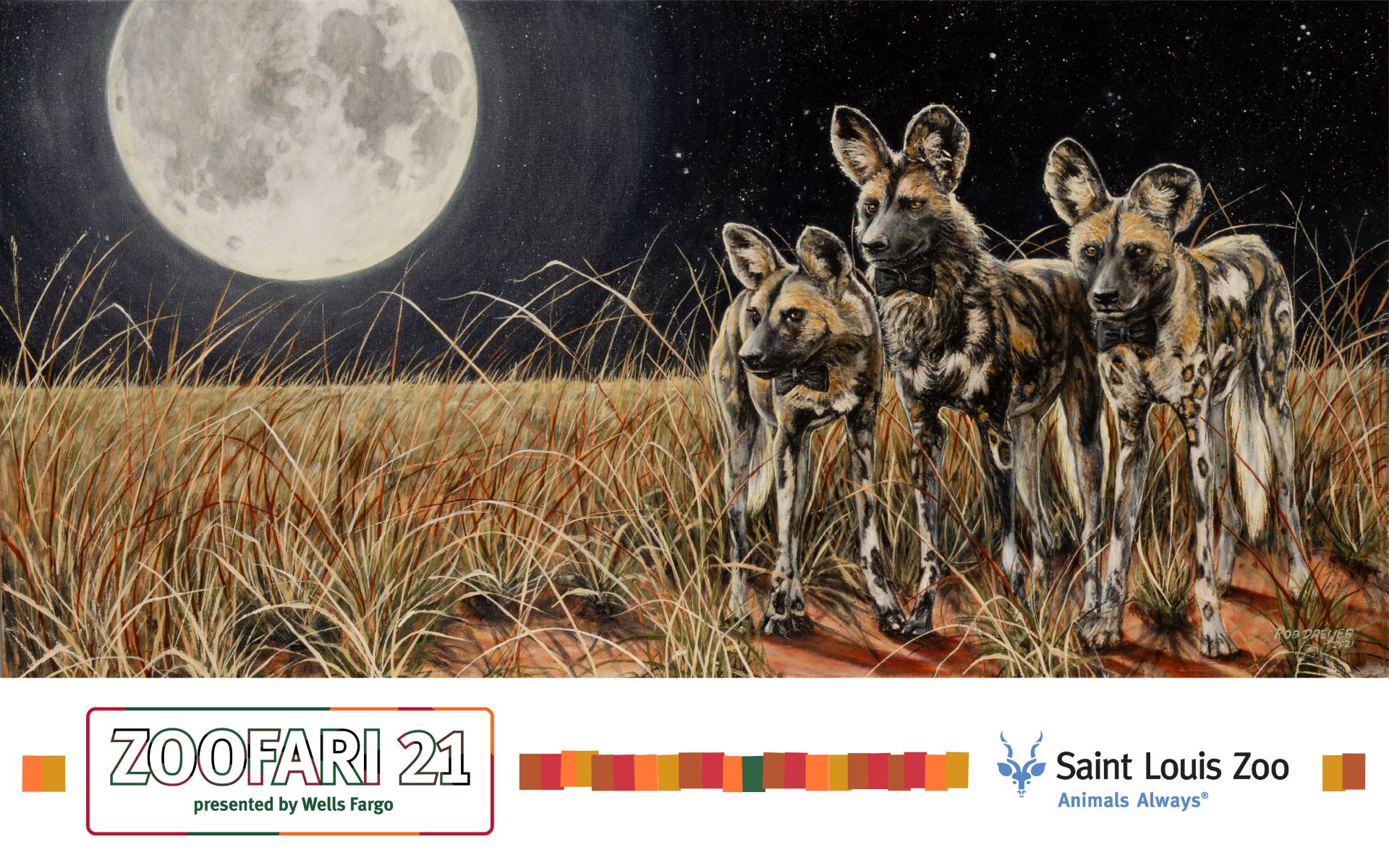
Enjoy dinner, drinks and music under the night sky at the Saint Louis Zoo’s most-anticipated fundraiser! Proceeds support the Saint Louis Zoo and its conservation efforts here and around the world.
When: 7 p.m. until midnight on Friday, Sept. 10, 2021
On Sept. 10, the Zoo is open to the public from 9 a.m. until noon, when it will close for preparations.
Where: Saint Louis Zoo
Event Information: The biennial creative black-tie party for ages 21+ includes:
- Live music by local bands and DJs on multiple stages, including the Fabulous Motown Revue, Miss Jubilee, Mo Egestion, The Usual Suspects, Wax Museum, DJ Chris Brown and DJ Micro
- Food stations throughout the Zoo offering unlimited sweet and savory dishes with catering provided by the Zoo’s executive chef and culinary team.
- The 2021 event format has changed and does not include local restaurant vendors this year.
- Premium open bars with beer, wine, and specialty cocktails
- Special fundraising activities to benefit the Zoo, including a wine and spirits pull, local restaurant gift card pull, and Kendra Scott Color Bar™ experience
- Take a ride on the Mary Ann Lee Conservation Carousel and the Emerson Zooline Railroad
Tickets: Advance tickets are required. Purchase tickets online at stlzoo.org/zoofari.
- General Admission tickets available at stlzoo.org/zoofari:
- $200 per person for Zoo Members
- $250 per person for non-members
- Sponsorship-level tickets available at stlzoo.org/zoofari:
- $1,000: 2 tickets, access to VIP reception, table accommodations and program listing
- $3,500: 10 tickets, early admission, reserved table and program listing
- See stlzoo.org/zoofari for additional sponsorship levels and benefits


.jpg)


 Environmental Echo