Category Archives: Outdoor/Nature

Image

Kirkwood Student Rowan Herr Nets An Award With Video On Invasive Carp and Their Environmental Impact

by Don Corrigan

Rowan Herr, a junior at Kirkwood High School, reeled in a third place finish in a C-SPAN documentary competition for students. Herr also netted a $750 cash award for his environmental video efforts.

“I got interested in the topic of invasive carp because I am big on fishing,” said Herr. “I don’t want them messing with my fishing in the Lake of the Ozarks. I don’t want them in the lakes.”

The C-SPAN competition asked students to explore and analyze matters of personal, local or national importance by addressing this year’s theme — “Your Message to the President: What issue is most important to you or your community?”

Herr said he realizes invasive carp may not be an important concern for many people, but the issue might raise more concern if people knew how fast the fish are multiplying and damaging the ecology.

“I talked to experts at the Missouri Department of Conservation and I talked to the Missouri Coastal Fisheries,” explained Herr. “They are alarmed and they gave me good information.”

Herr used that information to make the case that invasive carp, with their voluminous appetites, are taking over lakes and streams and destroying the ecosystem for other underwater creatures.

Greg Trial, who heads Missouri Coastal Fisheries, reviewed Herr’s six-minute documentary after it won recognition. He calls it “spot-on” and praises it for raising the alarm about invasives.

“Mr. Herr makes a valuable point at the end of the film: In the six-minutes that the documentary ran, 2,613,895 young and hungry carp have entered the waterways,” said Trial. “I think that shows how overwhelming the problem is that we face.”

Photo by MDC Staff, courtesy Missouri Department of Conservation.

Trial said that what makes those numbers all the more staggering is the fact that carp eat two-thirds of their body weight every day, putting tremendous stress on other fish species.

Carp are a problem not only for native aquatic life, but for boaters. Asian carp tend to feed at the water’s surface and are very easily disturbed. When agitated by a boat propeller or even a sculler’s oar, they can jump up to 10 feet in the air.

Certain times of year when they are spawning, the Asian carp will jump out of the rivers. They’ve jumped in boats before, and they’ve given boaters bloody noses and more serious injuries.

“They’re a nuisance species,” said Trial. “But they are much more than that. 2025 is going to be a horrible year in the Midwest for carp causing issues and difficulties in river environments.

“We had so much spring flooding this year, and that has spread carp all over the place,” explained Trial. “The conditions for their spawning this spring are prime.”

Continue reading

Image

More St. Louis Area Sightings! Coyotes Proliferate After Much Cicada Munching in 2024

By Don Corrigan

Photo: MDC

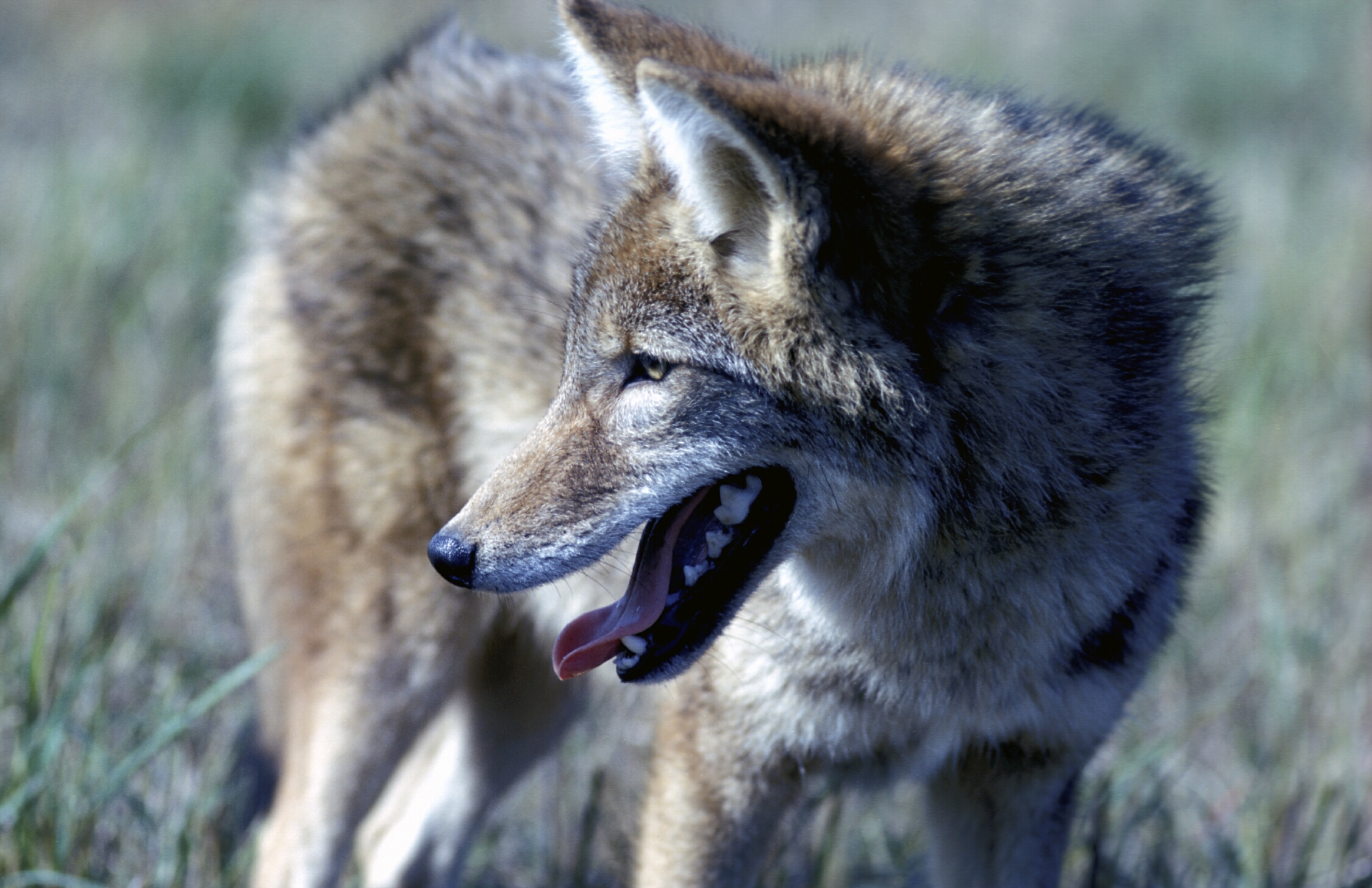
Coyote sighting photos have been finding their way onto Facebook sites in the St. Louis area. If you want to know why the wily coyotes are now appearing in abundance, blame it on … cicadas. Cicadas?

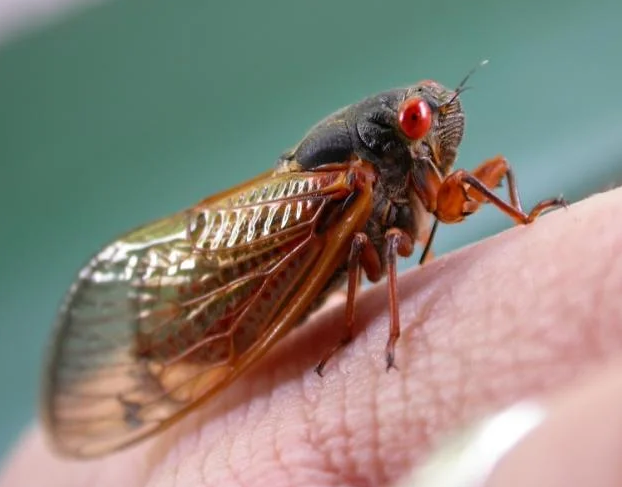
“This is an exceptional year for seeing coyotes on the landscape,” said Erin Shank. “This is due to the cicada emergence last spring, which produced plentiful food resources. This has led to high survival rates for coyotes and many other species.

Photo: MDC

In other words, many critters enjoyed some ready-made dinners – feasting on literally billions of cicadas last year. Among the many diners were coyotes and their pups who benefited from a banner year of bountiful bugs in 2024.

“The most important item to stress now is to not feed the coyotes, whether on purpose or inadvertently,” said Shank, a once-familiar face at Powder Valley Nature Center in Kirkwood.

These days Shenk spends a lot of her time at Busch Wildlife Center. She works there as the St. Louis Region Community and Private Land Conservation Unit Supervisor for the Missouri Department of Conservation.

Shenk has a soft spot for coyotes, but she concedes their presence in St. Louis suburbs can become problematic, especially if they become aggressive. They should not be fed.

“The cicadas are gone, but coyotes are here and they’re very opportunistic eaters. They’ll feast on anything from pet food to trash,” said Shank. “Fed coyotes have a much higher tendency to become a nuisance.”

Continue reading

Image

Starhill Tree Scholar: Guy Sternberg Notes ‘Global Destabilization’ In Arbor Talk

by Don Corrigan

In a March 1 talk that focused on oak trees in Missouri and Illinois, arborist Guy Sternberg introduced an audience at the Kirkwood Performing Arts Center to the term “global destabilization.”

The term “global destabilization” is closely related to the crisis of global warming and destructive climate change. While human awareness of the destructive impacts of global warming is growing, the will to address warming and climate change is woefully inadequate.

Hence, we get “global destabilization,” which means over-heated land masses and urban cores, destruction of plant and animal life, the creation of super-cell storms, mass migrations – and the strife that results from mass relocations of people.

Trees figure into all of this. Trees suffer immensely from the destruction of plant and animal life, from the loss of habitat, from the loss of the many pollinators that make their existence possible.

Wildfires are nothing new, but increasing climate destabilization has made their ferocity and frequency unprecedented. Whole forests of trees have been lost to these fires leaving terrible scars upon the land.

Trees also suffer from global warming because it brings the migration of insect pests into areas where they have never thrived before. Some pests wreak havoc on particular species of trees, which can have catastrophic consequences.

Although trees are victims, they also can be the heroes in the growing crisis of global warming and climate change. This is because trees can mitigate the harmful effects of climate change.

Restoring lost trees is important to slowing the climate change crisis. CO2 emissions are a major culprit in climate change. Trees capture CO2 from the atmosphere and store the carbon in their leaves, stems and roots – eventually increasing the carbon stored in soil.

Six million trillion trees once grew on Earth. Humans have cut down half of them. Restoring trees and forests can achieve much in the growing climate crisis. New tree plantings and forests can help us avoid the loss of plant and animal species that call forests home.

Continue reading

Image

Fun Activities at Lake Area Missouri State Parks

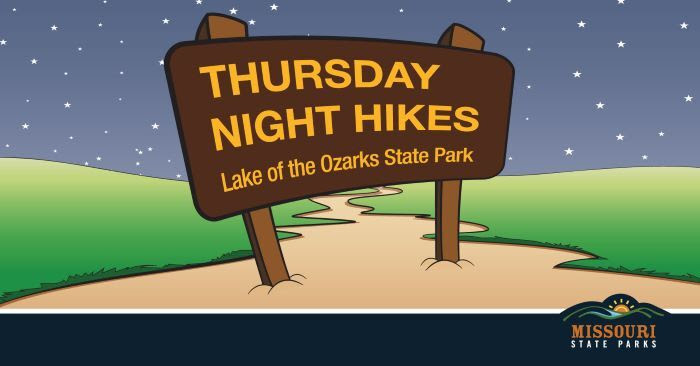
Thursday, March 13, 5:30 p.m. – Thursday Night Hike: Fawns Ridge Trail at Lake of the Ozarks State Park. Join the team at Lake of the Ozarks State Park for a series of guided night hikes each Thursday from March 13 to April 3. Participants will explore a different trail each week and are encouraged to bring water and snacks. This hike will begin at the trailhead by Public Beach #1 and is 1.4 miles long. Registration is required and can be submitted by visiting icampmo.com or by calling Brian Fredrick at 573-690-0450. Lake of the Ozarks State Park is located at 403 Highway 134 in Brumley.

Thursday, March 20, 5:30 p.m. – Thursday Night Hike: Lake View Bend Trail at Lake of the Ozarks State Park. Join the team at Lake of the Ozarks State Park for the second hike in a series of guided night hikes each Thursday from March 13 to April 3. Participants will explore a different trail each week and are encouraged to bring water and snacks. This week’s hike will begin at the trailhead and is 1.5 miles long. Registration is required and can be submitted by visiting icampmo.com or by calling Brian Fredrick at 573-690-0450. Lake of the Ozarks State Park is located at 403 Highway 134 in Brumley.

Saturday, March 22, 3 p.m. – Backyard Birds at Bennett Spring State Park.
Join the team at the nature center to learn about the basic backyard birds that are found in Missouri year round. Afterward, test your identification skills by watching our feeders for these common birds. Bring binoculars if you wish to watch the birds at the feeders. This free program is open to the public, and no registration is needed. Bennett Spring State Park is located at 26250 Highway 64A outside of Lebanon.

Thursday, March 27, 5:30 p.m. – Thursday Night Hike: Rocky Top Trail at Lake of the Ozarks State Park. The third hike in a series of guided night hikes each Thursday, March 27, at 5:30 p.m. Participants will explore a different trail each week and are encouraged to bring water and snacks. This week’s hike will begin at the trailhead and is 2 miles long. Registration is required and can be submitted by visiting icampmo.com or by calling Brian Fredrick at 573-690-0450. Lake of the Ozarks State Park is located at 403 Highway 134 in Brumley.

Saturday, March 29, 3 p.m. – Early Spring Blooms at Bennett Spring State Park. Visit the nature center to learn about the early spring wildflowers that bloom at Bennett Spring State Park. This free event will be held at 26250 Highway 64A outside of Lebanon.

For detailed information on any of these activities, please visit mostateparks.com/events. For more information on state parks and historic sites, visit mostateparks.com. Missouri State Parks is a division of the Missouri Department of Natural Resources.

Image

Nature at Night: How Lights Affect Ecosystems

Everything in nature spends half of its existence under night.  And while humans may be sleeping, much of the natural world is wide awake and active.  Both plants and animals on Earth have evolved with the darkness of night.  The increase of artificial light in the last few decades is changing that and impacting these species.

The Missouri Department of Conservation (MDC) invites the public to learn more about this emerging field of study at Nature at Night: How Lights Affect Ecosystems, a free program at Powder Valley Conservation Nature Center Friday, Feb. 28 from 6 – 8 p.m.  The event is open to ages nine years and up and includes a night hike.  Participants under age 16 must be accompanied by an adult. Registration is required.  

Did you know that at least 30% of vertebrates and 60% of invertebrates are active at night?  For millions of years, the natural world has thrived on the predictable rhythms of daylight and darkness. However, recent studies reveal that the growth of artificial light at night is increasing sky brightness by 10% each year.

Don Ficken, Founder of DarkSky Missouri and Lights Out Heartland, will discuss the fascinating world of nature at night and how adopting responsible lighting practices can safeguard Missouri’s ecosystems.

The doors will open at 6:00 p.m. with a naturalist-guided night hike on the Tanglevine trail starting at 6:15 p.m., and the presentation will begin at 7 p.m.

Nature at Night: How Lights Affect Ecosystems is a free event, but advanced online registration is required – CLICK HERE.

Powder Valley Conservation Nature Center is located at 11715 Cragwold Road in Kirkwood, near the intersection of I-270 and I-44.

Image

Deep Roots, Strong Community: Kirkwood Tells The World What A Post Oak Is On March 1

PHOTO CREDIT: Starhill Forest Arboretum.

by Don Corrigan

The term “Post Oak” means different things to different people:

• To Virginians, Post Oak is an unincorporated community in Spotsylvania.

• To folks in western Missouri, Post Oak is a community in Johnson County.

• To Texans in the city of Houston, Post Oak is a mixed-use skyscraper.

• To folks in East Texas, Post Oak is a shopping mall in College Station.

For citizens in Missouri’s Greentree City of Kirkwood, a post oak is a tree, but no ordinary tree. On March 1, the post oak will be officially and most definitively declared “Kirkwood Tree of the Year 2025.”

The post oak tree program is from 10 a.m. to noon at the Kirkwood Performing Arts Center at 210 E. Monroe Ave. Visitors can consult with tree specialists and forestry experts at information tables.

“My goal for the March 1 event is to build enthusiasm among Kirkwood residents to plant more trees,” said Kirkwood Mayor Liz Gibbons. “As everyone can see, we have been losing some tree canopy in the city.

“Holding an event to highlight the ‘Kirkwood Tree of the Year,’ and to inform citizens on the advantages of a fuller canopy, should get us to the goal of replacing lost tree canopy.”

Continue reading

Image

Wine Sculptures Attest: Missouri Vineyard Experts And Botanical Garden’s Henry Shaw Helped Save World’s Wine Industry

This French statue depicts the American “New World” as a young woman propping up a sickly old woman – France. The grateful French erected it at Montpellier in gratitude for U.S. help in defeating phylloxera, a parasite destroying French vineyards. Photo courtesy of Robert Scheef

by Don Corrigan

Americans visiting wine country in France often express surprise when coming upon an intriguing statue in Montpellier. It depicts a younger woman holding and soothing an older woman.

The statue is a representation of France and America helping one another with viticulture. When France’s vineyards were dying from the pest, phylloxera, in the 1800s, Missourians came to the rescue.

Missouri vineyard experts gave French winemakers American rootstock, which is resistant to the parasite. The trick involved grafting the majority of France’s grape plants with hearty American rootstock.

The “Wine Ladies” statue celebrates this curative. An older woman depicts France as ill and dying, whereas the younger woman illustrates America coming to help and soothe. It is a very touching story.

Missouri Wine Country gave a vineyard gift not only to France, but to the world. The Missouri Botanical Garden’s Henry Shaw was a lover of grapes, a wine enthusiast, and he consorted with Missouri’s viniculture experts.

Shaw’s cadre of viniculture specialists included George Engelmann, Charles V. Riley, George Husmann and Hermann Jaeger. When the parasite known as phylloxera began destroying Europe’s wine industry in the 1870s, Shaw’s experts reacted.

Engelmann and other Missouri horticulturalists, including Husmann and Jaeger, developed and organized a shipment of phylloxera-resistant American grapevines to send to France.

The shipped grapevines were used as hardy root stocks to which European vines were grafted. The grafting enabled the French vines to withstand the deadly attack and Europe’s wine industry was saved.

Continue reading

Image

Happy Honeysuckle Hackers: Legislators Push Bills To End Nursery Sales Of Invasives

Alan Hopefl of Kirkwood, who has earned a nickname as the “Honeysuckle Slayer,” said he cannot understand why any state legislator would support nurseries selling harmful invasive plants.

by Don Corrigan

This past fall youngsters volunteered with Back To Nature STL to hack out invasive bush honeysuckle in St. Louis suburbs. Volunteers have an uphill fight, in part, because state nurseries continue to sell invasive plants.

“Volunteers can take heart now because there is legislation in Jefferson City to stop the sale of these plants,” said Bonnie Harper of Open Space St. Louis, which had 45 “Honeysuckle Hack” events in 2024 with its Back To Nature STL program.

“Honeysuckle Hack” events had their origin under the Open Space Council in Kirkwood, an organization renamed as Open Space St. Louis with a new headquarters in Sunset Hills. Regardless of name or headquarters location, the hacking continues.

“We have ‘Honeysuckle Hack’ events scheduled to summer now, with the most recent in January at Jefferson Barracks,” said Harper. “Hacking out invasives is labor intensive work, so it’s great to learn that the legislature may end their sale at nurseries.”

Rep. Bruce Sassmann, R-Bland, is sponsor of HB60. Sassman said honeysuckle hackers should take heart, but he said his proposed law is just a small step in the right direction on a big problem.

“Every day invasive species are threatening the health of our nation’s vital agricultural and natural lands,“ said Sassman. “Forests are being infested, cropland production is being impacted, streams are being impacted, wildlife is losing habitat.”

The U.S. Department of Agriculture defines an invasive species as one whose introduction causes economic harm, environmental harm, or harm to human health.

Continue reading

Image

Happy Birthday To Us! Environmental Echo Eyes Its Future On 10-Year Anniversary

How many blogs last 10 years? Or even one year?

Statistics show the average life of a blog is less than two years. There are literally hundreds of millions of abandoned blogs on the worldwide web. In 2023, there were 600 million active blogs worldwide.

If each of those blogs had as many hits as EE has had over its 10 years, we would be talking 36,000,000,000,000 hits. Environmental Echo is happy to report it will celebrate 10 years this October! Hurray for us! The blog started as a class project in an environmental communications class at Webster University in October 2014.

Continue reading

Image

MDC Needs Birders to Help with Audubon Christmas Bird Count

MDC needs experienced birders to help with the National Audubon Society’s 125th Christmas Bird Count between Dec. 14 and Jan. 5. Go out over a 24-hour period on one calendar day to count birds, such as these eastern bluebirds.

Become citizen scientists by helping with the National Audubon Society’s 125th Christmas Bird Count between Dec. 14 and Jan. 5.

The Missouri Department of Conservation (MDC) encourages experienced Missouri birders to become citizen scientists by helping with the National Audubon Society’s 125th Christmas Bird Count (CBC) between Dec. 14 and Jan. 5, 2025.

The CBC is an annual bird census where thousands of volunteers across the U.S., Canada, and other countries go out over a 24-hour period on one calendar day to count birds between Dec. 14 and Jan. 5. The data on winter bird populations helps track the long-term status of species and large-scale trends. Each CBC has a coordinator who assigns portions of a 15-mile diameter count circle to participants to count all birds seen and heard over a 24-hour period.

Missouri hosts about 20 CBCs. Learn more at audubon.org/conservation/join-christmas-bird-count and contact the CBC organizers listed for details on the specific count circles.