Category Archives: Outdoor/Nature

Image

Lone Elk Park Welcomes Two Baby Bison Calves

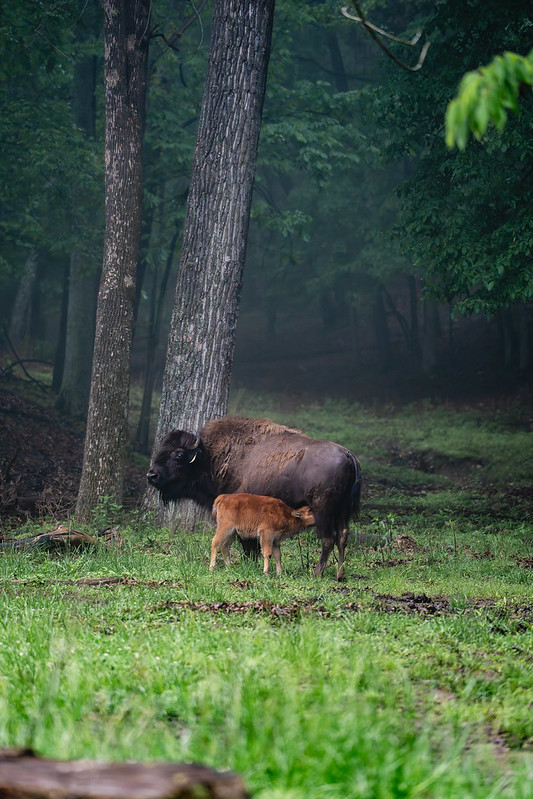
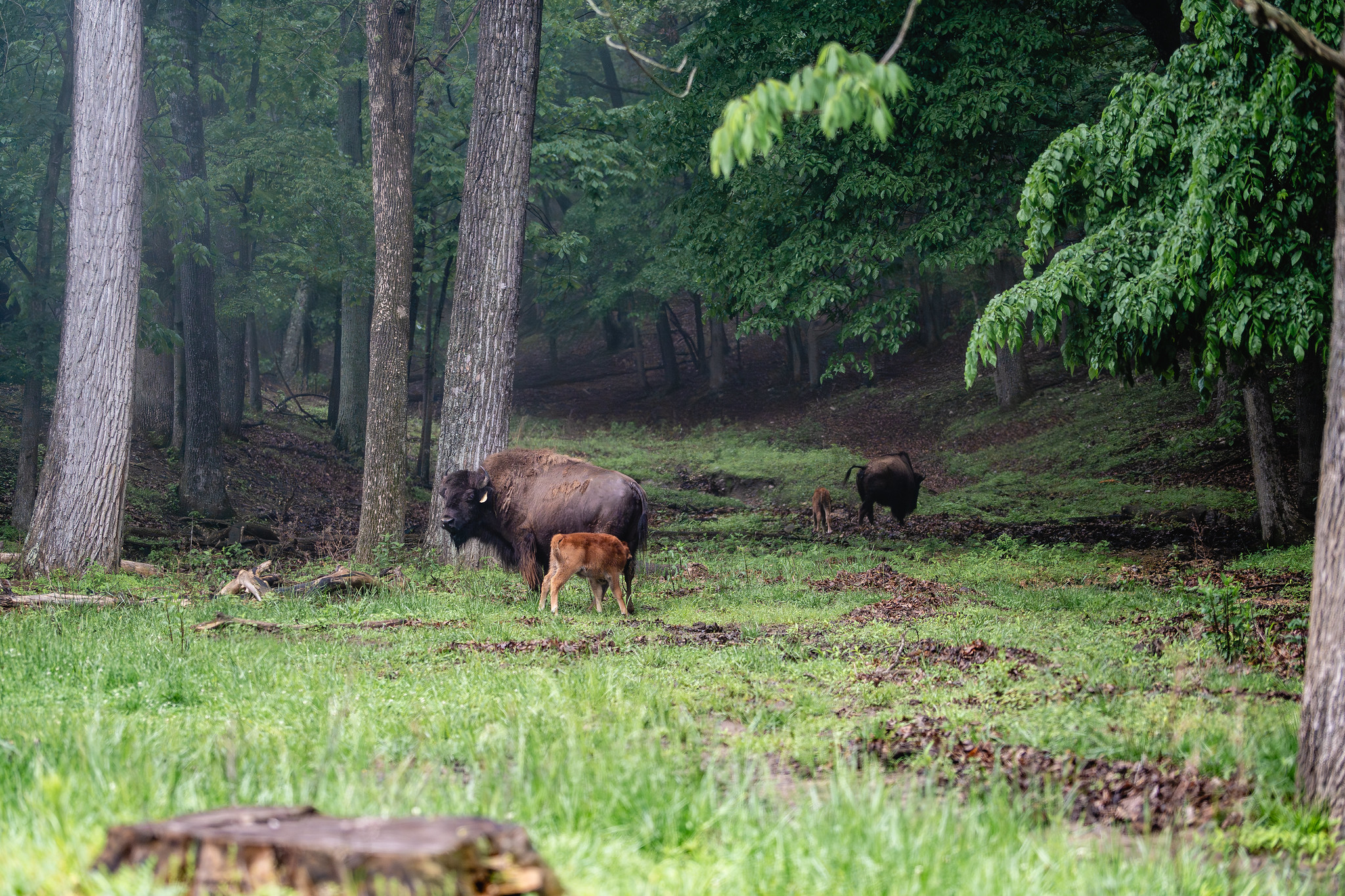
Saint Louis County is excited to announce the birth of two bison calves at Lone Elk Park. The two calves were born overnight on May 6, 2025.

The arrival of the calves marks the beginning of a new chapter for the park’s bison herd and a special opportunity for visitors to witness native wildlife in action.

The reddish-orange calves can be seen trailing closely behind their mothers in the bison pasture. While the new arrivals are a heartwarming sight, park officials urge visitors to remain in their vehicles and observe all wildlife from a safe distance.

“These calves are a sign of a healthy herd and a successful habitat,” said Pat Curry, Park Supervisor at Lone Elk Park. “They’ll spend the next few months bonding with their mothers and gradually gaining independence. It’s a special time for the herd, and we’re thrilled to share it with the public.”

Lone Elk Park is a unique, free drive-through wildlife experience operated by St. Louis County Parks and Recreation. It is home to bison, elk, deer, and other native species. The park is open daily from 8 a.m. to sunset.

Visitors are welcome to enjoy the park’s scenic views but are reminded to follow all posted guidelines and avoid approaching or feeding wildlife.

Image

Missouri House Passes Invasive Plant Bill

On May 15, one day before the close of the 2025 Missouri legislative session, the Missouri House of Representatives passed Senate Bill 105 to halt the sale of select invasive plants by a vote of 124 to 19. A similar bill, House Bill 60, was introduced and passed by the House Natural Resources Committee during this session as well, but was not brought up for a floor vote.

“The Missouri Invasive Plant Council is extremely pleased with this wonderful news, and thanks Missouri legislators for their support of this bill that will help protect Missouri’s working lands and native habitats,” said Carol Davit, Missouri Invasive Plant Council (MoIP) Chair.

Several years ago, MoIP, administered by the Missouri Prairie Foundation, proposed the idea of legislation to cease the sale of select invasive plants to reduce their negative impacts on Missouri’s landscape. MoIP invited feedback from nearly 100 stakeholder groups, and tabulated feedback that was received to assess opinions in support or against inclusion of specific invasive plants on eventual state legislation.

Continue reading

Image

Hoessle’s Backyard Albinos: White Squirrels Touted As Tourist Attraction For Olney, Ill.; Local Resident Has No Need To Travel So Far

All photos provided by Charlie Hoessle.


by Don Corrigan

Travelers over the Mississippi River from Missouri to Illinois are greeted with a billboard urging them to drive 140 miles to see the white squirrels. Charlie Hoessle can visit with the albino critters right in his south St. Louis County backyard.

Hoessle is best known to St. Louisans for his past work as director of the St. Louis Zoo. In that position, he became familiar with deadly snakes of Asia, lumbering giraffes from Africa, and poisonous frogs of South America – as well as other exotic animals.

Now retired, Hoessle is content these days with simply tracking the feisty squirrels in his Sunset Hills neighborhood. However, these are not just your average, ordinary, run-of-the-mill squirrels. These are the relatively rare white squirrels of North America.

Hoessle has no need to travel miles to see his favorite white squirrels. He can just amble out the back door of his home.

“We have had white squirrels in our back yard for about five or 6 years now,  but not always the same ones,” said Hoessle. “The first one I named ‘Spirit.’ He was a daily visitor to my patio bird feeder.”

Hoessle has a fond place in his heart for ‘Spirit.’ However, he welcomes the new white squirrels to his location, and he often has his camera or cell phone ready to snap pictures of the bushy tails.

“I loved Spirit because he was not afraid of me,” said Hoessle. “He loved to bask on our crab apple tree and just relax. Sometimes I spread cracked corn on my patio for him.”

Continue reading

Image

Camp Hellbender 2025! MDC Invites Adults to be Kids Again This Summer

Relive days gone by at Camp Hellbender and visit a variety of MDC sites for this multi-part summer camp program for adults.

Everybody grows up eventually.  But being an adult doesn’t mean a person can’t still be a kid . . . at least sometimes.

The Missouri Department of Conservation (MDC) is inviting adults in the St. Louis region to become kids again and experience a bit of what it felt like to be out of school for the summer, one more time.

MDC is hosting Camp Hellbender 2025, a series of seven events this summer for those age 18 and over that recreate the fun of a day at summer camp.  Back by popular demand, Camp Hellbender returns for its third year.  Each camp session is free and will be held at a different MDC site in the St. Louis region.  Adult summer campers can register for one session date/location, or for as many dates as they wish.  Each session will have a different agenda of activities that will highlight the resources its location has to offer.

Each summer camp will give out a sticker “badge” to participants for attending the event.  Some of the activities at Camp Hellbender, depending on location, will range from kayaking, archery, outdoor cooking to tree climbing, geocaching, and stream exploration.

All the events will culminate in a closing campfire after the last session in August.  Those who participated in at least one Camp Hellbender event will be invited to the wrap up campfire to reflect on their time at camp and enjoy free s’mores.

Camp Hellbender 2025 session dates and locations are as follows:

Saturday, June 14 – Rockwoods Reservation, Wildwood
Saturday, June 21 – August A. Busch Memorial Conservation Area, St. Charles
Saturday, July 12 – Columbia Bottom Conservation Area, Spanish Lake
Thursday, July 17 – Powder Valley Nature Center, Kirkwood
Saturday, July 19 – Powder Valley Nature Center, Kirkwood
Saturday, Aug. 2 – Carondelet Park, St. Louis City

Each session requires online pre-registration.  A list of the dates, locations, and highlights for all sessions of Camp Hellbender series for adults, along with registration links, can be found at http://short.mdc.mo.gov/4CU.  Registration for all events opens May 15.

Image

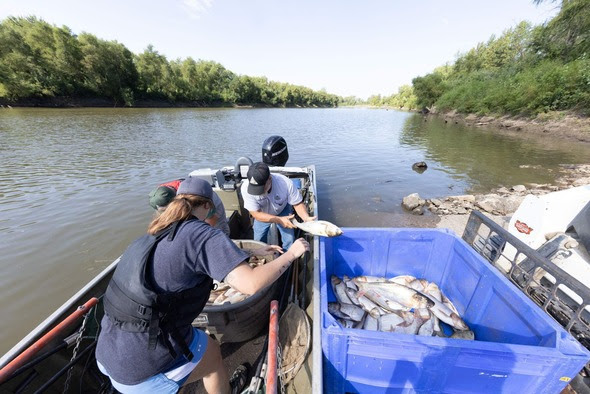
Kirkwood Student Rowan Herr Nets An Award With Video On Invasive Carp and Their Environmental Impact

by Don Corrigan

Rowan Herr, a junior at Kirkwood High School, reeled in a third place finish in a C-SPAN documentary competition for students. Herr also netted a $750 cash award for his environmental video efforts.

“I got interested in the topic of invasive carp because I am big on fishing,” said Herr. “I don’t want them messing with my fishing in the Lake of the Ozarks. I don’t want them in the lakes.”

The C-SPAN competition asked students to explore and analyze matters of personal, local or national importance by addressing this year’s theme — “Your Message to the President: What issue is most important to you or your community?”

Herr said he realizes invasive carp may not be an important concern for many people, but the issue might raise more concern if people knew how fast the fish are multiplying and damaging the ecology.

“I talked to experts at the Missouri Department of Conservation and I talked to the Missouri Coastal Fisheries,” explained Herr. “They are alarmed and they gave me good information.”

Herr used that information to make the case that invasive carp, with their voluminous appetites, are taking over lakes and streams and destroying the ecosystem for other underwater creatures.

Greg Trial, who heads Missouri Coastal Fisheries, reviewed Herr’s six-minute documentary after it won recognition. He calls it “spot-on” and praises it for raising the alarm about invasives.

“Mr. Herr makes a valuable point at the end of the film: In the six-minutes that the documentary ran, 2,613,895 young and hungry carp have entered the waterways,” said Trial. “I think that shows how overwhelming the problem is that we face.”

Photo by MDC Staff, courtesy Missouri Department of Conservation.

Trial said that what makes those numbers all the more staggering is the fact that carp eat two-thirds of their body weight every day, putting tremendous stress on other fish species.

Carp are a problem not only for native aquatic life, but for boaters. Asian carp tend to feed at the water’s surface and are very easily disturbed. When agitated by a boat propeller or even a sculler’s oar, they can jump up to 10 feet in the air.

Certain times of year when they are spawning, the Asian carp will jump out of the rivers. They’ve jumped in boats before, and they’ve given boaters bloody noses and more serious injuries.

“They’re a nuisance species,” said Trial. “But they are much more than that. 2025 is going to be a horrible year in the Midwest for carp causing issues and difficulties in river environments.

“We had so much spring flooding this year, and that has spread carp all over the place,” explained Trial. “The conditions for their spawning this spring are prime.”

Continue reading

Image

More St. Louis Area Sightings! Coyotes Proliferate After Much Cicada Munching in 2024

By Don Corrigan

Photo: MDC

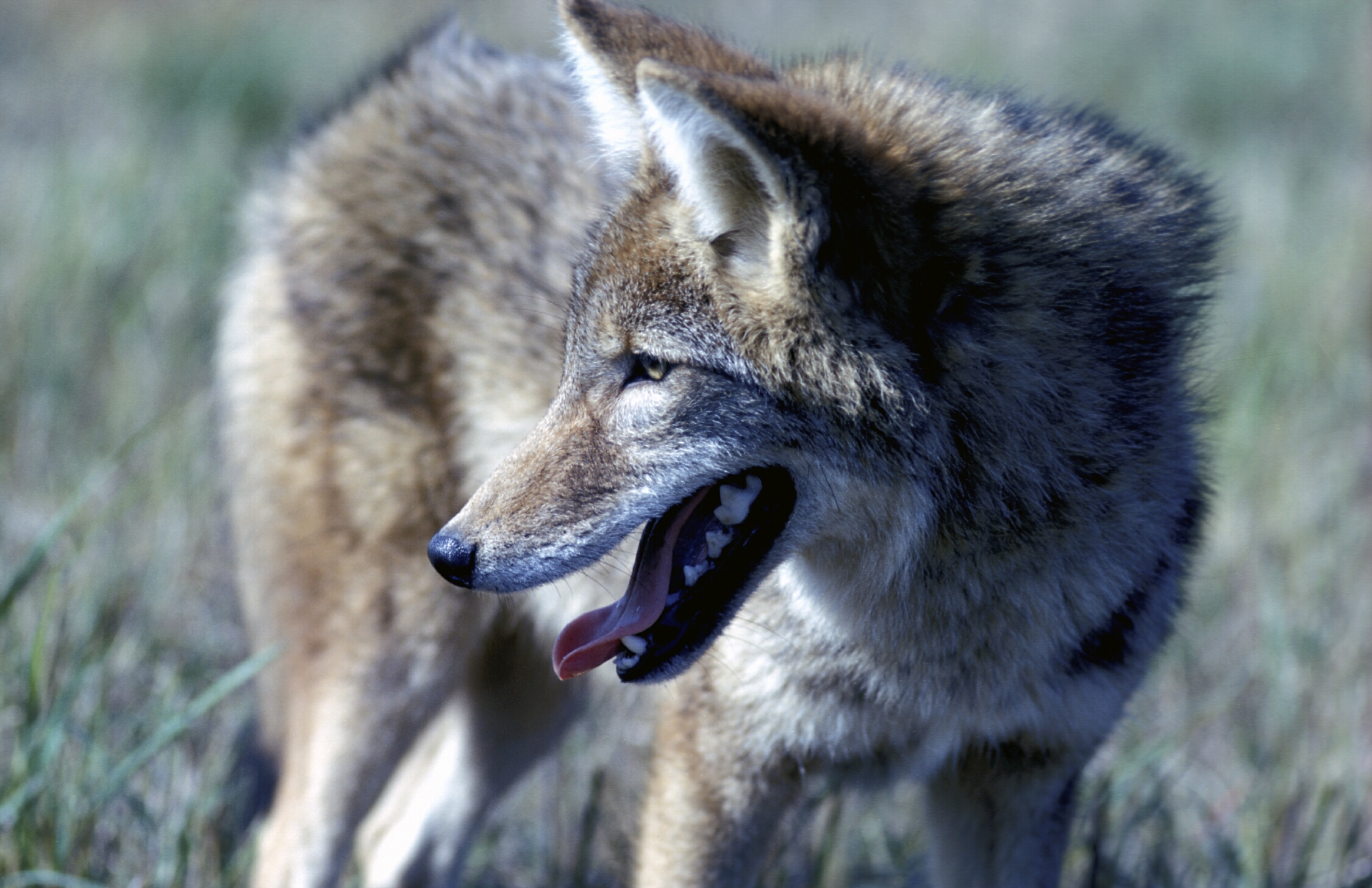
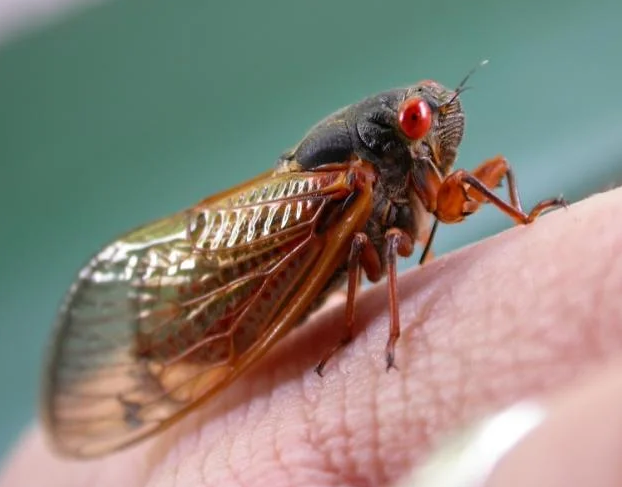
Coyote sighting photos have been finding their way onto Facebook sites in the St. Louis area. If you want to know why the wily coyotes are now appearing in abundance, blame it on … cicadas. Cicadas?

“This is an exceptional year for seeing coyotes on the landscape,” said Erin Shank. “This is due to the cicada emergence last spring, which produced plentiful food resources. This has led to high survival rates for coyotes and many other species.

Photo: MDC

In other words, many critters enjoyed some ready-made dinners – feasting on literally billions of cicadas last year. Among the many diners were coyotes and their pups who benefited from a banner year of bountiful bugs in 2024.

“The most important item to stress now is to not feed the coyotes, whether on purpose or inadvertently,” said Shank, a once-familiar face at Powder Valley Nature Center in Kirkwood.

These days Shenk spends a lot of her time at Busch Wildlife Center. She works there as the St. Louis Region Community and Private Land Conservation Unit Supervisor for the Missouri Department of Conservation.

Shenk has a soft spot for coyotes, but she concedes their presence in St. Louis suburbs can become problematic, especially if they become aggressive. They should not be fed.

“The cicadas are gone, but coyotes are here and they’re very opportunistic eaters. They’ll feast on anything from pet food to trash,” said Shank. “Fed coyotes have a much higher tendency to become a nuisance.”

Continue reading

Image

Starhill Tree Scholar: Guy Sternberg Notes ‘Global Destabilization’ In Arbor Talk

by Don Corrigan

In a March 1 talk that focused on oak trees in Missouri and Illinois, arborist Guy Sternberg introduced an audience at the Kirkwood Performing Arts Center to the term “global destabilization.”

The term “global destabilization” is closely related to the crisis of global warming and destructive climate change. While human awareness of the destructive impacts of global warming is growing, the will to address warming and climate change is woefully inadequate.

Hence, we get “global destabilization,” which means over-heated land masses and urban cores, destruction of plant and animal life, the creation of super-cell storms, mass migrations – and the strife that results from mass relocations of people.

Trees figure into all of this. Trees suffer immensely from the destruction of plant and animal life, from the loss of habitat, from the loss of the many pollinators that make their existence possible.

Wildfires are nothing new, but increasing climate destabilization has made their ferocity and frequency unprecedented. Whole forests of trees have been lost to these fires leaving terrible scars upon the land.

Trees also suffer from global warming because it brings the migration of insect pests into areas where they have never thrived before. Some pests wreak havoc on particular species of trees, which can have catastrophic consequences.

Although trees are victims, they also can be the heroes in the growing crisis of global warming and climate change. This is because trees can mitigate the harmful effects of climate change.

Restoring lost trees is important to slowing the climate change crisis. CO2 emissions are a major culprit in climate change. Trees capture CO2 from the atmosphere and store the carbon in their leaves, stems and roots – eventually increasing the carbon stored in soil.

Six million trillion trees once grew on Earth. Humans have cut down half of them. Restoring trees and forests can achieve much in the growing climate crisis. New tree plantings and forests can help us avoid the loss of plant and animal species that call forests home.

Continue reading

Image

Fun Activities at Lake Area Missouri State Parks

Thursday, March 13, 5:30 p.m. – Thursday Night Hike: Fawns Ridge Trail at Lake of the Ozarks State Park. Join the team at Lake of the Ozarks State Park for a series of guided night hikes each Thursday from March 13 to April 3. Participants will explore a different trail each week and are encouraged to bring water and snacks. This hike will begin at the trailhead by Public Beach #1 and is 1.4 miles long. Registration is required and can be submitted by visiting icampmo.com or by calling Brian Fredrick at 573-690-0450. Lake of the Ozarks State Park is located at 403 Highway 134 in Brumley.

Thursday, March 20, 5:30 p.m. – Thursday Night Hike: Lake View Bend Trail at Lake of the Ozarks State Park. Join the team at Lake of the Ozarks State Park for the second hike in a series of guided night hikes each Thursday from March 13 to April 3. Participants will explore a different trail each week and are encouraged to bring water and snacks. This week’s hike will begin at the trailhead and is 1.5 miles long. Registration is required and can be submitted by visiting icampmo.com or by calling Brian Fredrick at 573-690-0450. Lake of the Ozarks State Park is located at 403 Highway 134 in Brumley.

Saturday, March 22, 3 p.m. – Backyard Birds at Bennett Spring State Park.
Join the team at the nature center to learn about the basic backyard birds that are found in Missouri year round. Afterward, test your identification skills by watching our feeders for these common birds. Bring binoculars if you wish to watch the birds at the feeders. This free program is open to the public, and no registration is needed. Bennett Spring State Park is located at 26250 Highway 64A outside of Lebanon.

Thursday, March 27, 5:30 p.m. – Thursday Night Hike: Rocky Top Trail at Lake of the Ozarks State Park. The third hike in a series of guided night hikes each Thursday, March 27, at 5:30 p.m. Participants will explore a different trail each week and are encouraged to bring water and snacks. This week’s hike will begin at the trailhead and is 2 miles long. Registration is required and can be submitted by visiting icampmo.com or by calling Brian Fredrick at 573-690-0450. Lake of the Ozarks State Park is located at 403 Highway 134 in Brumley.

Saturday, March 29, 3 p.m. – Early Spring Blooms at Bennett Spring State Park. Visit the nature center to learn about the early spring wildflowers that bloom at Bennett Spring State Park. This free event will be held at 26250 Highway 64A outside of Lebanon.

For detailed information on any of these activities, please visit mostateparks.com/events. For more information on state parks and historic sites, visit mostateparks.com. Missouri State Parks is a division of the Missouri Department of Natural Resources.

Image

Nature at Night: How Lights Affect Ecosystems

Everything in nature spends half of its existence under night.  And while humans may be sleeping, much of the natural world is wide awake and active.  Both plants and animals on Earth have evolved with the darkness of night.  The increase of artificial light in the last few decades is changing that and impacting these species.

The Missouri Department of Conservation (MDC) invites the public to learn more about this emerging field of study at Nature at Night: How Lights Affect Ecosystems, a free program at Powder Valley Conservation Nature Center Friday, Feb. 28 from 6 – 8 p.m.  The event is open to ages nine years and up and includes a night hike.  Participants under age 16 must be accompanied by an adult. Registration is required.  

Did you know that at least 30% of vertebrates and 60% of invertebrates are active at night?  For millions of years, the natural world has thrived on the predictable rhythms of daylight and darkness. However, recent studies reveal that the growth of artificial light at night is increasing sky brightness by 10% each year.

Don Ficken, Founder of DarkSky Missouri and Lights Out Heartland, will discuss the fascinating world of nature at night and how adopting responsible lighting practices can safeguard Missouri’s ecosystems.

The doors will open at 6:00 p.m. with a naturalist-guided night hike on the Tanglevine trail starting at 6:15 p.m., and the presentation will begin at 7 p.m.

Nature at Night: How Lights Affect Ecosystems is a free event, but advanced online registration is required – CLICK HERE.

Powder Valley Conservation Nature Center is located at 11715 Cragwold Road in Kirkwood, near the intersection of I-270 and I-44.

Image

Deep Roots, Strong Community: Kirkwood Tells The World What A Post Oak Is On March 1

PHOTO CREDIT: Starhill Forest Arboretum.

by Don Corrigan

The term “Post Oak” means different things to different people:

• To Virginians, Post Oak is an unincorporated community in Spotsylvania.

• To folks in western Missouri, Post Oak is a community in Johnson County.

• To Texans in the city of Houston, Post Oak is a mixed-use skyscraper.

• To folks in East Texas, Post Oak is a shopping mall in College Station.

For citizens in Missouri’s Greentree City of Kirkwood, a post oak is a tree, but no ordinary tree. On March 1, the post oak will be officially and most definitively declared “Kirkwood Tree of the Year 2025.”

The post oak tree program is from 10 a.m. to noon at the Kirkwood Performing Arts Center at 210 E. Monroe Ave. Visitors can consult with tree specialists and forestry experts at information tables.

“My goal for the March 1 event is to build enthusiasm among Kirkwood residents to plant more trees,” said Kirkwood Mayor Liz Gibbons. “As everyone can see, we have been losing some tree canopy in the city.

“Holding an event to highlight the ‘Kirkwood Tree of the Year,’ and to inform citizens on the advantages of a fuller canopy, should get us to the goal of replacing lost tree canopy.”

Continue reading