Category Archives: Outdoor/Nature

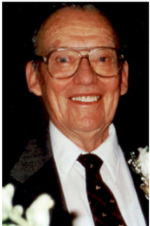
June Hutson: St. Louis Has Lost A Horticulture Legend

This writer interviewed June Hutson for the following EE article in 2017. It was the first time I met with her. June was welcoming to this stranger asking many questions about gardening and her life in general. She answered each one with a delightful enthusiasm and with a humble openness found only in rare spirits. She was genuine. She was real. She was kind.

Hutson touched many lives in St. Louis and the truth of that can be found in the observations today from her colleagues and friends. In her retirement, she said she intended to travel and explore historic U.S. gardens and maybe the grand gardens of Europe.

However, the true passion in her voice could not be mistaken and was not related to foreign travel – she was looking forward to making future memories with her two grandsons in her own garden.

Hutson’s love of people and passion for gardening left a lasting legacy. This St. Louis horticulture legend will be missed because she was the kind of person that made the world a better place.

—Holly Shanks 7/25/21

The St. Louis Post Dispatch obituary for Hutson can be found HERE.

A memorial celebration of life will be held at the Spink Pavilion at Missouri Botanical Garden on Wednesday, Aug. 11 at 5 p.m.

June Hutson: St. Louis Horticulture Legend

By Holly Shanks

(This article originally posted on Environmental Echo July 17, 2017.)

After spending more than 40 years working at the Missouri Botanical Garden (MOBOT), one might think, June Hutson, a master gardener and horticulturist, retired this past January for some much-deserved leisure time. Nope. She says she retired to do the exact opposite. She wants to spend as much time as possible feeding her passion – getting her hands dirty in the garden.

Hutson started as a gardener at MOBOT in the late 1970s. She spent the last 20 years as supervisor of the outdoor gardens at the Kemper Center for Home Gardening. The ordering of plants and managing staff and volunteers limited some of her time to physically work with planting and maintaining the gardens. The love for the hands-on work played a role in her retirement decision.

Hutson wanted to retire on a good note and her long-term staff was knowledgeable enough to function independently. It was the right time for her to make the change.

“I really missed the physical work and I had a wonderful crew when I retired. If I was going to continue gardening I needed to retire while my physical health was still good,” Hutson said. “I was 74 when I retired, so, you know, time-is-a-tickin’.”

Continue reading

Alfred Satterthwait And The Bluebird Of Happiness

ScatterthwaitBy Don Corrigan
 

The Eastern Bluebird is Missouri’s Official State Bird. If you’re a St. Louis Cardinals fan, you may be disturbed to learn this.  How could the Missouri legislature diss the redbird and bestow state honors on the bluebird?

Blame the Webster Groves Nature Study Society (WGNSS) for the slight. Members lobbied Jefferson City lawmakers to cast their votes for the bluebird in 1927. Blame Alfred Satterthwait, founder of WGNSS. Maybe even blame Henry David Thoreau, the prince of nature lovers, who wrote that the colorful bluebird of happiness “carries the sky upon its back.”  

Satterthwait carries the legacy of the local nature society upon his back. He and his wife, Elizabeth, founded the group in 1920 and Alfred became its first president. The Satterthwaits immediately began leading nature field trips through Missouri that were covered by the Webster News Times. The newspaper listed birds sighted on the trips at sites like Jefferson Barracks, Creve Couer Lake and the Meramec Highlands.

A scientist with the U.S. Department of Agriculture, Alfred Satterthwait allowed nature society members to use his Entomology Field Laboratory at 527 Ivanhoe Place in Webster. The society had its regular meetings there. Young WGNSS members used its microscopes, binoculars and field equipment, and studied its insect collections. Some of them grew up to be naturalists and prominent scientists in their own right.

Throughout its century of existence, WGNSS leaders have fought to preserve wildlife and protect the environment with some important wins and losses. In the early years, they fought for municipal waste pickup, an end to open burning of trash, and preservation of Missouri prairie lands. In recent times, they’ve fought to spare flood plains from developers’ plans for strip malls, highway interchanges and sports complexes. Missouri fish and fowl would, no doubt, say “thank you,” if they could.

Environmental Echo will periodically single out outdoor / environmental heroes who have made a difference in the St. Louis area and beyond. Many of these individuals hail from the Webster Groves – Kirkwood area, where writer Don Corrigan is Editor Emeritus of the weekly Webster-Kirkwood Times. Corrigan is the author of Environmental Missouri by Reedy Press.

J.B. Lester: Local Steward of The Healthy Planet

JB LesterBy Don Corrigan

J.B. Lester, publisher of The Healthy Planet for a quarter century, shrugs off accolades for his nature advocacy and his editorial work to raise awareness on environmental issues. Instead, he describes himself as a messenger or conduit for environmental experts and real champions of the outdoors. He cites his many columnists and free-lance writers.

He is quick to single out one of his scribes, Jean Ponzi, whom he calls “Green Jean.” She is the Green Resources Manager for the Missouri Botanical Garden’s Earthways Center. According to Lester, Ponzi has informed, educated and entertained with prose and poetry on topics ranging from recycling to honeysuckle removal to wildflower gardens.

The Healthy Planet has a stable of writers from organizations such as the Missouri Coalition for the Environment, the Department of Conservation and a host of others. Lester adds a personal touch with his regular column about everything from the lack of social responsibility during a 100-year pandemic to his encounter with a moose on a trip to Colorado.

“My favorite columns are where I can take a magnifying glass to the eco-system in my Webster backyard – whether it’s on the hungry caterpillar on my tomato plants or our annual praying mantis family,” noted Lester. “By looking closely at what is right next to us, we can learn so much about how to view things farther away. I think the artists call this perspective.”

Continue reading

Great Rivers Greenway Offers Biking Safety Tips

Don Levee Bike

Pictured: Don Corrgian

by Don Corrigan

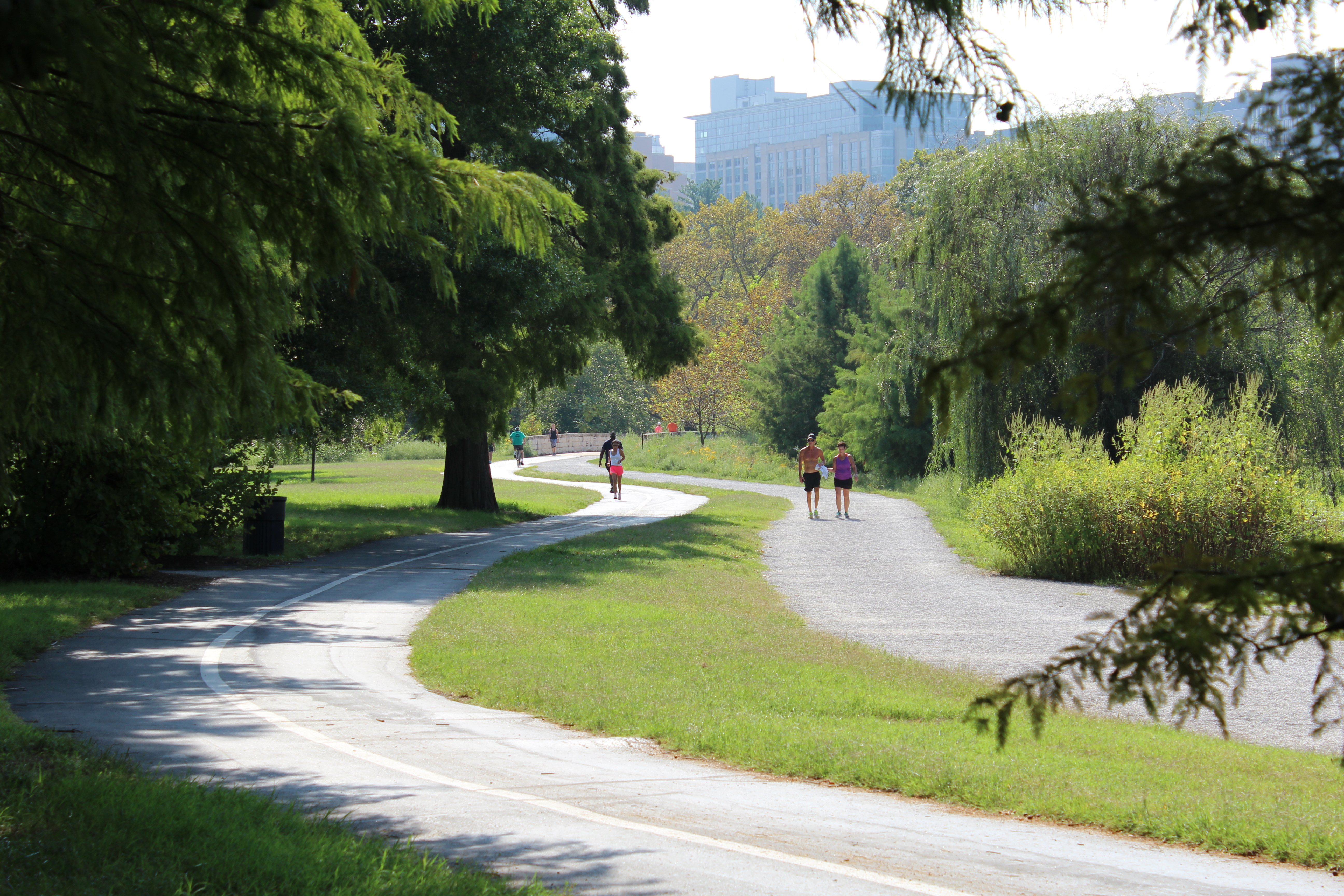
Planning logistics for a biking excursion or a hiking adventure, and addressing safety concerns, are a big part of having a satisfactory experience. Another major piece of making things go well involves “trail etiquette.”

The Great Rivers Greenway (GRG) organization offers a number of etiquette tips for using its network of trails in the greater St. Louis area, but they are universal and can apply to many trails statewide and nationally.

Among the GRG advisories:

•Keep pets leashed and close, pick up and throw away all pet waste.

•Whether you’re walking, running, biking, pushing a stroller, using a wheelchair or anything else, yield to those moving at a slower speed than you.

Continue reading

J. Marshall Magner: A Real Knack For Knowing Bugs

Marshall Magner CRBy Don Corrigan

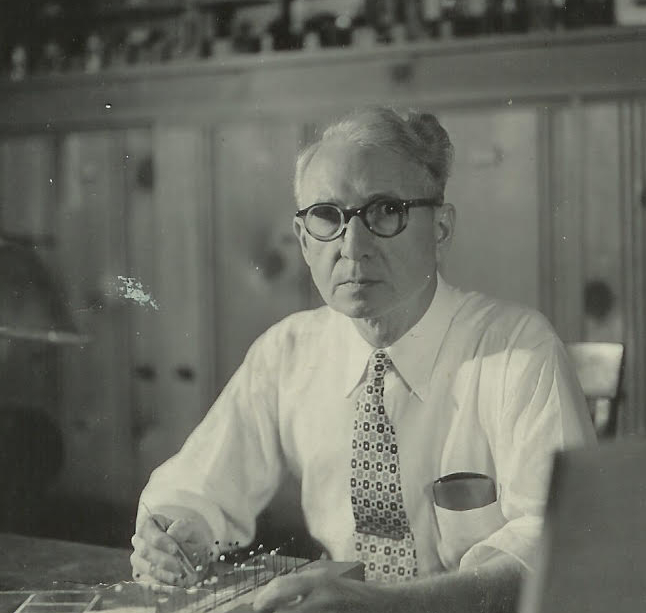
Talk to J. Marshall Magner and the first thing he would do is disabuse you of any misconception that all insects are bugs. Conversation would often proceed from there and soon was likely to fly over the average human’s head. A frustrated Magner sometimes relied on large models of insects with detachable abdomen, thorax and head to make his scientific points.

When Magner was born in northwest Webster in 1913, the area was woods, farms and a few homes. Young Marshall was in the habit of collecting insects, frogs and snakes on the way home from getting milk from the Smith’s cows in the morning. Sometimes critters got loose in the house. In his teens, he hunted and roamed the woods as far north as Olive Street Road. St. Louis County was still largely rural in his early days.

Magner’s outdoor interest and insect love led him to a career with the U.S. Department of Agriculture. In the military in World War II, he served in Europe and Africa. Later, Magner landed with Monsanto Company and he studied insects worldwide, sometimes on long stints in Central America. He shared his collecting skills and knowledge with the youngsters when he returned to Webster Groves. This garnered him the honor of the naming of Larson Park’s children’s playground as “Marshall Magner’s Bug Kingdom.”

Continue reading

The New Anne O’C. Albrecht Nature Playscape In Forest Park Is Now Open To The Public!

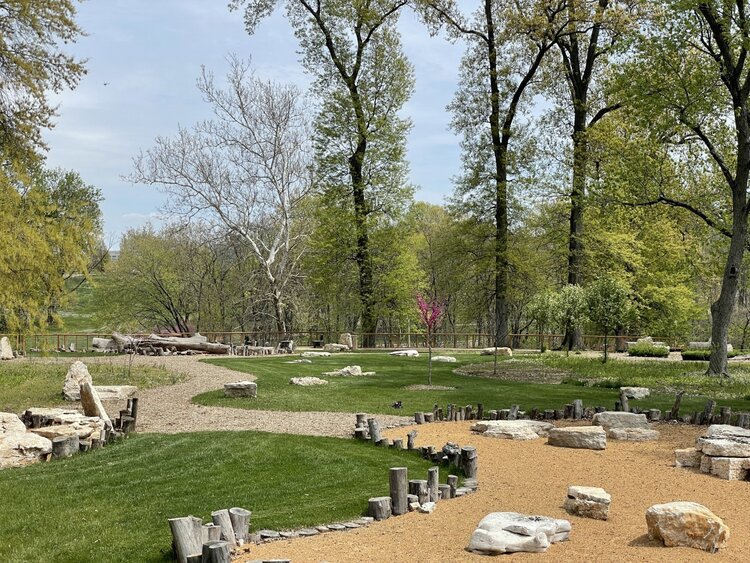
Forest Park Forever Play 2021Ready, Set, Go! Visit Forest Park to check out the newly opened 17-acre playscape! Get out and enjoy the natural setting while connecting to nature in a green space for children and the young at heart!

Forest Park Forever details interesting information about some of the elements it took to create the green space, including 1,500 tons of boulders and rock, including Missouri limestone, 30 tons of sand, 1+ miles of paths, 30+ benches made from fallen or hazard local trees, 1500+ wood stump steppers and 300 newly planted trees. See what the addition has to offer in the included video, along with more details about the green space listed below.

Forest Park Forever website: This highly anticipated opening follows nearly two years of construction to transform what had been 17 acres of turf grass into a one-of-a-kind experiential play space with natural landscapes that include native and diverse species. The project was funded by donors to the nonprofit conservancy Forest Park Forever and completed in partnership with the City of St. Louis.

“The Anne O’C. Albrecht Nature Playscape is an experiential green space built to enable visitors, especially children, to connect with nature and engage their senses as they explore, discover and learn. The destination features nine distinct activity areas — including Mounds, a Spring, a Meadow, a Wetland and more — and a series of accessible paths and boardwalks that connect them.”

Anne O’C. Albrecht Nature Playscape By the Numbers

  • Playscape Size: 17 acres

  • Trees planted: 300

  • Shrubs planted: 700

  • Perennials Planted: 40,000

  • Boulders & Rocks: 1,500 tons, including Missouri limestone

  • Paths: 1+ miles

  • Boardwalks: 4

  • Wood Stump Steppers: 1,500+

  • Sand for Play Areas: 30 tons

  • Hand Water Pumps: 5

  • Boot-Washing Stations: 2

  • Benches: 30+ made from fallen or hazard local trees

  • Bike Racks: 7

  • Drinking Fountains: 3

  • Design & Build Cost: $5 million

  • Cost to enter and enjoy: $0

Jack Lorenz: From High School Cutup To Outdoor Champ

Environmental Echo will periodically single out outdoor / environmental heroes who have made a difference in the St. Louis area and beyond. Many of these individuals hail from the Webster Groves – Kirkwood area, where writer Don Corrigan is Editor Emeritus of the weekly Webster-Kirkwood Times. Corrigan is the author of Environmental Missouri by Reedy Press.
Jack Lorenz CR
by Don Corrigan

Who says environmentalists are all stuffy, humorless, killjoys? Jack Lorenz, who went to Webster Groves High School in the Happy Days era, enjoyed 1950s fast cars, fish stories and cutting up. He sometimes wore a monster mask he called “The Face.” He wore it while in the front seat of buddy Cy Perkin’s car. At a stop light in South St. Louis, they spied Stan the Man in the car next to them. Musial cracked up when “Jack The Face” rolled down the window to let out a hearty, “Hi, Stan!”

No big surprise that Lorenz coached football, basketball and baseball at a prep school while majoring in journalism at the University of Tulsa. He later joined the PR team of Falstaff Brewing, “America’s Premium Quality Beer,” a favorite of another WGHS alumnus named Harry Caray. While hustling Falstaff, Lorenz started a river clean-up campaign and helped create the “Pitch-in” anti-litter campaign.

A growing interest in outdoors lured the lifelong fly fisherman to move to Washington, D.C., to become editor in 1973 of Outdoor America, the magazine of the Izaak Walton League. A year later he was named executive director of the League, a post he would hold for 18 years. During his tenure as CEO of the League, he was asked to the White House to advise Presidents Ford, Carter, Reagan and Bush. This was in the halcyon days of the environmentalism, when most politicians saw clean air and water, protection of parks and wilderness areas as winning issues.

Continue reading

MDC Collaborates With University of Illinois For Ongoing Crayfish Study

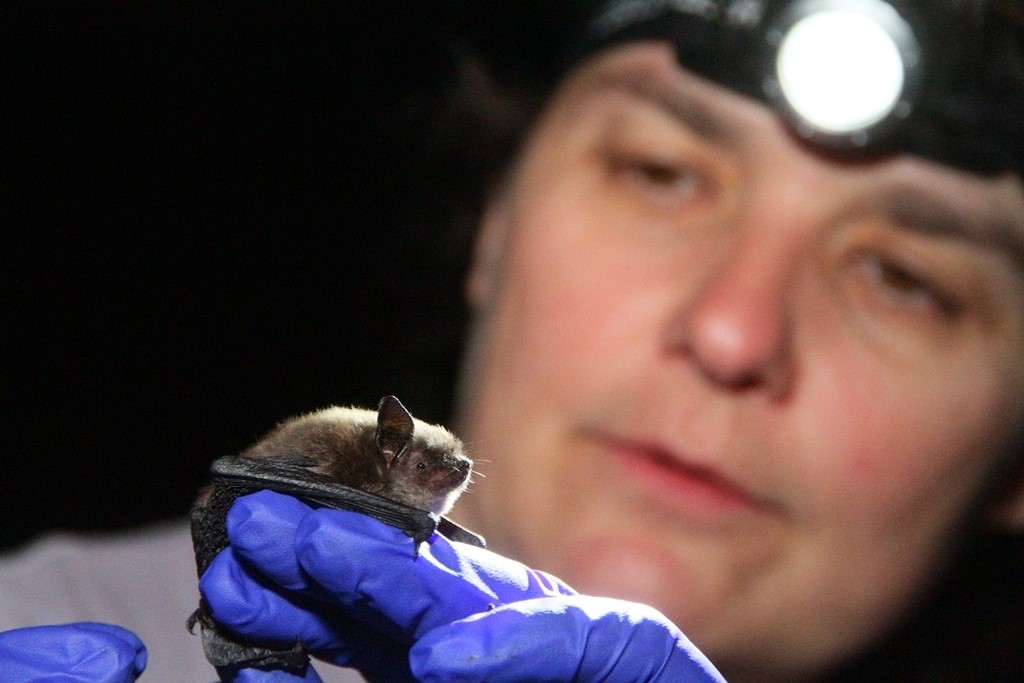
Missouri Department of Conservation (MDC) has partnered with University of Illinois at Urbana-Champaign for a project focused on burrowing crayfish, led by master’s student Caitlin C. Bloomer, Dr. Christopher Taylor, and MDC Scientist Bob DiStefano. Recently, a portion of the project was held at Duck Creek and Otter Slough Conservation Areas in Puxico.

The venture examines primary burrowing crayfish, which are a specific subset of crayfish that create burrows and spend most of their lives in them. They are also quite evasive and difficult to excavate, which is why there is currently a lack of data on them, especially life history data and habitat data, Bloomer said.

“We are trying to see how the crayfish respond to land management practices that MDC use in their conservation areas,” she said. “Specifically, we are interested in mowing, disking, and controlled burns that are widely used to manage native vegetation and waterfowl habitat. We’re hoping to also measure other habitat data as we sample so we can get an idea of where else there may be burrowing crayfish populations.”

Continue reading

Missouri State Parks adds 22 trails to National Audubon Society’s Birdability program

unnamed (1)Missouri State Parks has joined the National Audubon Society to add 22 state park trails to the society’s Birdability website. Through the Birdability program, the Audubon Society and partner entities across the nation strive to make bird watching, also known as birding, accessible to everyone, regardless of disabilities or other health concerns.

By going to Birdability.org, people can learn more about the program and use the online maps and other information to find nearby handicapped-accessible trails on which they can pursue their passion for birding or discover the popular activity for the first time. In keeping with its dedication to making the state’s beautiful and wild places accessible to everyone, the opportunity to add some of its trails to the Birdability website was a natural fit for Missouri State Parks.

Continue reading

Bear Sightings Reported in St. Louis and Nearby Counties—MDC Biologists Say Don’t Feed Them

blackbear MDC

Photo: Missouri Department of Conservation

The Missouri Department of Conservation (MDC) has received several reports of recent bear sightings in Fenton—as well as others in neighboring Jefferson, Franklin, and Crawford Counties.  They remind us that black bears are becoming a growing part of the St. Louis regional landscape.

Why the increase in sightings lately?  MDC’s ongoing bear research indicates the Show-Me-State is currently home to around 800 black bears, and that population is growing by 9% each year.   Only one species can be found in this state—the American black bear—though multiple color phases can be found in Missouri with, such that a bear’s fur can be brown, red, cinnamon in color.

“Most of our bears are found in the southern part of the state.  That’s where we have the largest tracts of forested habitat,” said Tom Meister, MDC Wildlife Damage Control Biologist for MDC’s St. Louis Region.

However, research also shows the population is expanding, both in total numbers and range. As the population grows and expands, bears are showing up in areas further north. Additionally, late spring/ early summer is prime time for bears to be on the move. Young bears begin to wander seeking food and an area to settle and adult males begin moving large distances in search of females. The recent uptick in sightings is likely a combination of bear range expanding and the time of year when bears can move large distances.

These creatures are part of our state’s natural history and many people enjoy the thought of seeing one of these impressive animals.  With an expanding population of bears, however, comes an increased potential of human-bear interactions.

While generally not aggressive, like any wild animal black bears are driven to find food.  It takes a lot of calories to fuel an animal that typically weighs several hundred pounds and they can be attracted to a variety of food sources this time of year.

“The bears have been out of hibernation since spring.  Now they’re hungry.  They were dormant for all winter, and they’re looking for food.  So, we don’t want to tempt them,” Meister said.

Food, or rather the lack of it, is key to avoiding conflicts with bears.  Meister stressed not to offer them food, either intentionally or unintentionally.  Intentionally feeding bears can be dangerous as it makes the bears comfortable around people. It can also lead bears to cause significant damage to property while searching for a meal.

Continue reading