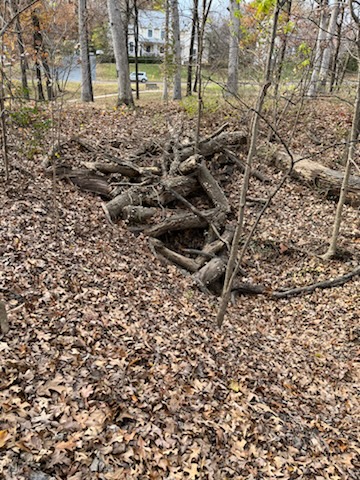

A pedestrian was struck and killed on the evening of Dec. 14 on South Geyer Road near the signage entrance to Powder Valley Nature Center at Cragwold Road.
by Don Corrigan
A hike in human roadkill casualties in the St. Louis area at the end of 2024 is raising concerns. Pedestrians hit near the iconic Ted Drewes custard stand have led the St. Louis TV news for several years now.
Vehicles mowing over pedestrians elsewhere in the St. Louis region have received less media coverage. A hike in pedestrian deaths in the Webster-Kirkwood area at the end of 2024 is grabbing attention with the new year of 2025.
• A pedestrian, age 73, was struck and killed on Manchester Road in Des Peres on the evening of Dec. 7.
• A pedestrian, age 56, was struck and killed on South Geyer Road in Sunset Hills on the evening of Dec. 14.
• A pedestrian, age 79, was struck and killed near Manchester Road in Glendale on the evening of Dec. 27.
The recent spate of pedestrian deaths has sparked a debate on traffic safety issues in the letters pages of the Webster-Kirkwood Times. Although at times contentious, the discussions are focused on a common goal of reducing fatalities and injuries.
“From my study of these deaths, there are a number of common threads,” said Michael Carmody of Safer Streets for Kirkwood and St. Louis County. “These accidents happened at night and the lighting was poor. There were no visible crosswalks. Apparently, there were no witnesses.”