
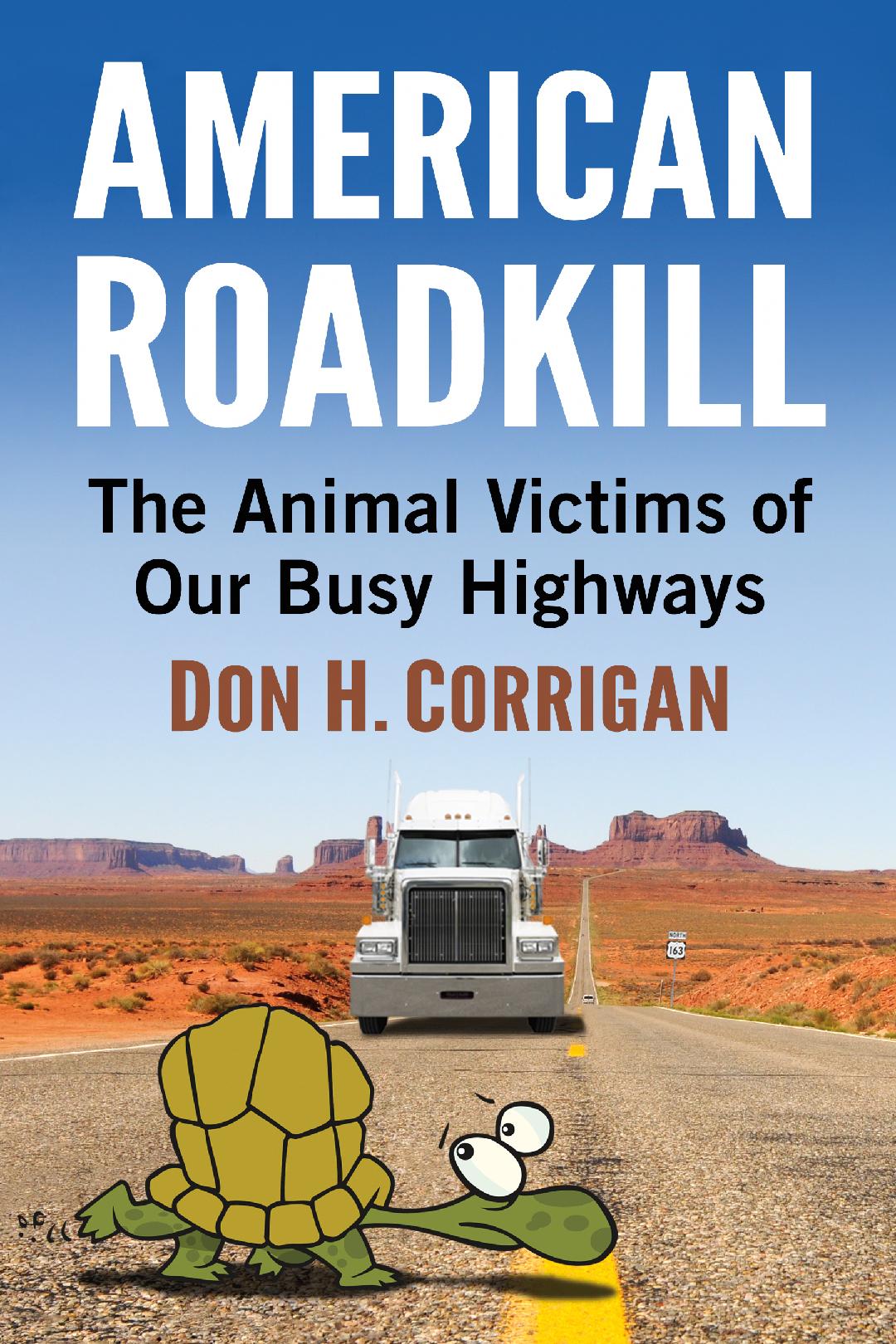
 by Don Corrigan
Ever since the introduction of gasoline engine, cars and roadways, our highly-mobile highway culture has exacted a tremendous toll on our companions – earth’s creatures.
Scientists estimate the animal fatalities in the U.S. number one million per day. Many early “roadkill scholars” hail from the Midwest, perhaps because of the first casualties on the “Mother Road” known as Route 66.
Creature killings by cars have littered Route 66 from Chicago, to St. Louis, and onto L.A. for 100 Years. It should be no surprise that so-called “Roadkill Cafés” sprouted up along U.S. Highway 66 and featured menus with items like “Rack of Raccoon,” “Bambi Burgers,” and “Long-Gone Fawn.”
Route 66 was established on Nov. 11, 1926. Two years before that, scientists Dayton Stoner and his wife, ornithologist Lillian Stoner, began the first creature casualty counts on Iowa highways.
Their research has been followed by roadkill studies of zoologist Joseph Grinnell, James R. Simmons, and Roger Knutson who was mortified by the flattened fauna in his native Michigan. He wrote a book, “Flattened Fauna” which invites readers to count and monitor motorway mayhem in their own locales.
Roadway deaths have been chronicled in popular culture in paintings, sculpture, film, and music from Loudon Wainwright III’s “Dead Skunk in the Middle of the Road, to the more recent work of Phish with “Possum, Possum.” Animal roadway deaths are not all the same, as journalists and artists have discovered. Different creatures are hit at different times of the year, and they react to oncoming vehicles in different ways.
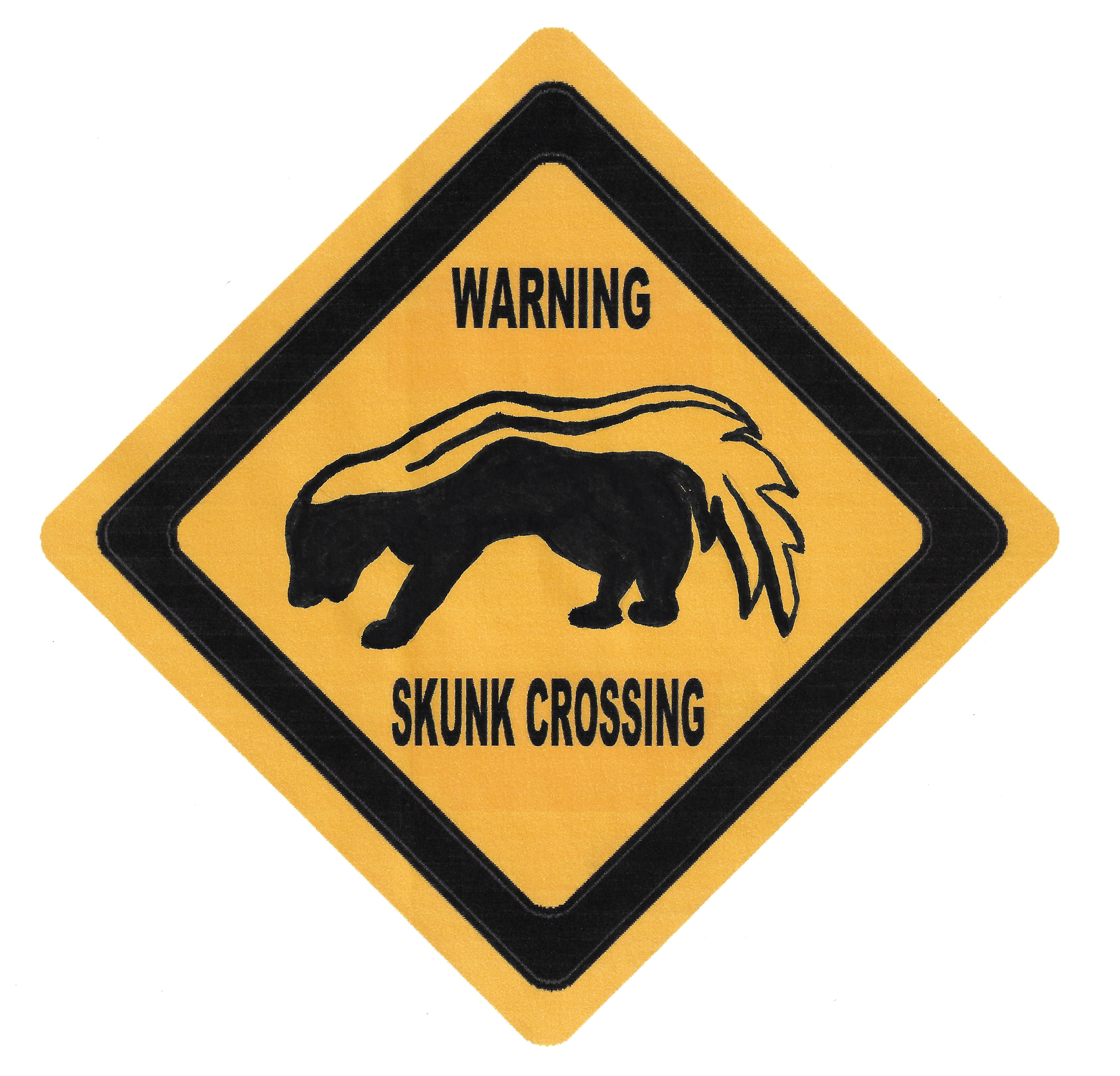 Here’s some insight on just a few of the losers in the mortal combat on our highways and byways:
• Take the SKUNK, for example. Roadkill skunks are memorialized in a very famous song by Loudon Wainwright III. The most famous cartoon skunk is Pepé Le Pew, who fell in love with the Loony Tunes character, Penelope Pussycat. Skunks are our friends because they eat enormous numbers of grubs, yellow jackets, mice, rats, and voles.
• POSSUMS as roadkill are memorialized in a very famous song by Phish. The most famous cartoon possum is Pogo Possum, the gentle, philosophical star of Walt Kelly’s iconic newspaper comic strip Pogo. Possums are our friends because they eat millions of ticks. And Climate Change has some very disease-prone ticks migrating northward in the USA. For example, the Lone Star Tick is transmitting Alpha Gal disease.
 (This article is excerpted from a full presentation to be given by writer Don Corrigan at the Midwest Popular Culture Association (MPCA) conference in Muncie, Indiana, from Oct. 9-11. Corrigan is the author of American Roadkill by McFarland Publishing.)
