All photos courtesy Bruce Sassmann.
By Don Corrigan
Missourians got their 93rd State Park, which is a total of 47.5 miles long, when mayors, state officials and citizen supporters had an unveiling and a little speech-making on June 30 in Windsor, Mo.
Among those in attendance was Rep. Bruce Sassmann, R-Belle, who has been
advocating for the park to extend 144 miles across the state. It would rival the Katy Trail State Park as a wonderful route for hikers, bikers, sight-seers and outdoor enthusiasts.
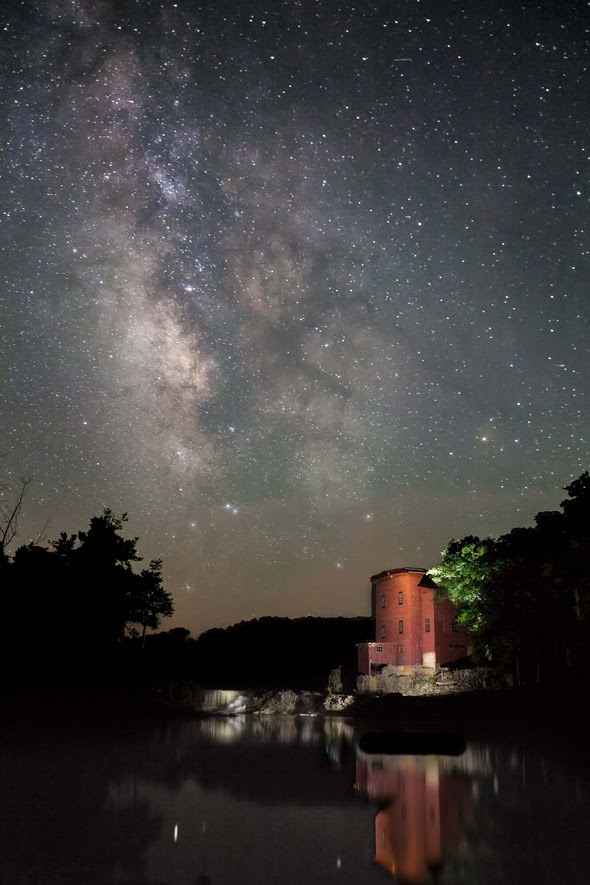
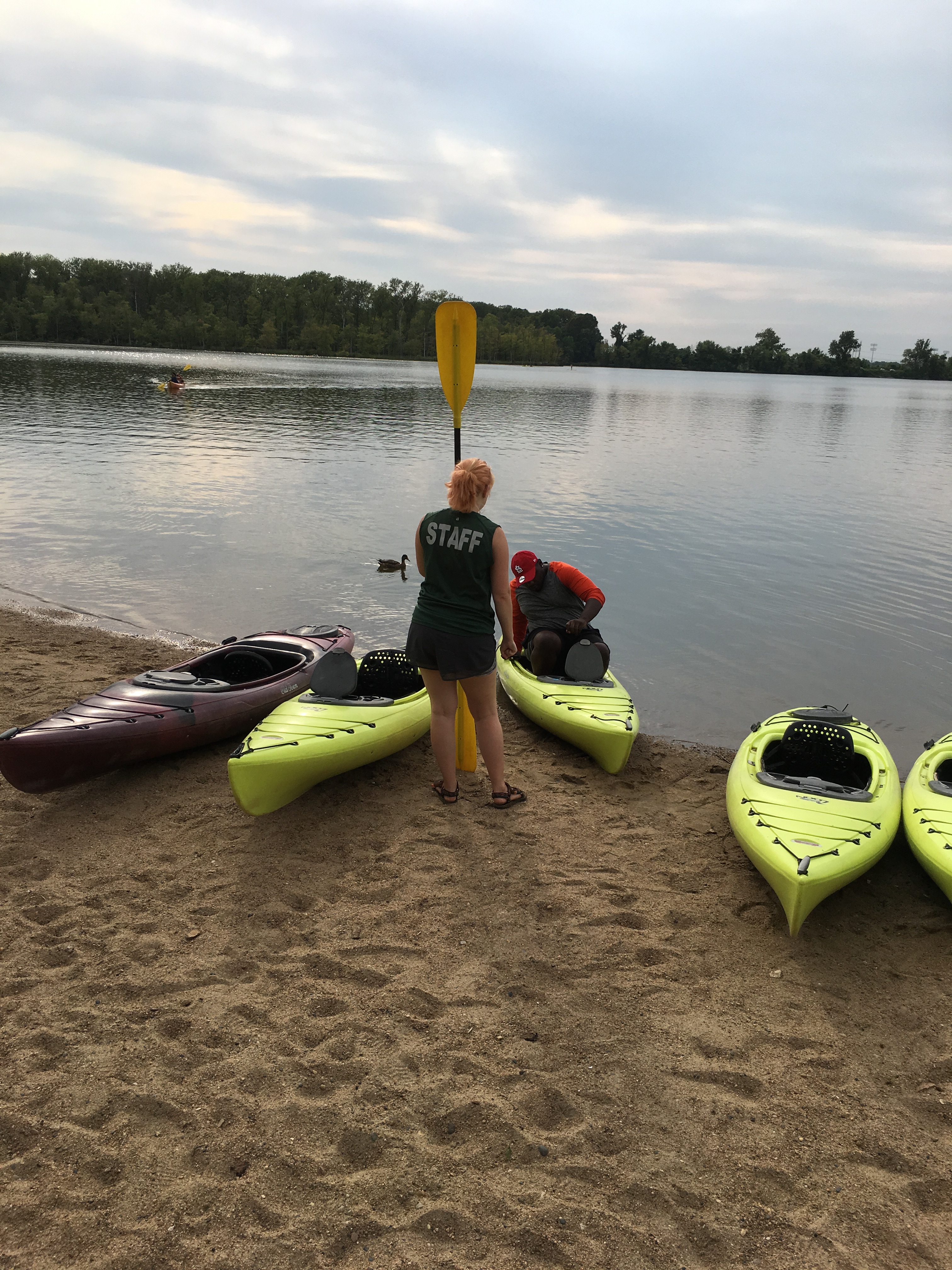
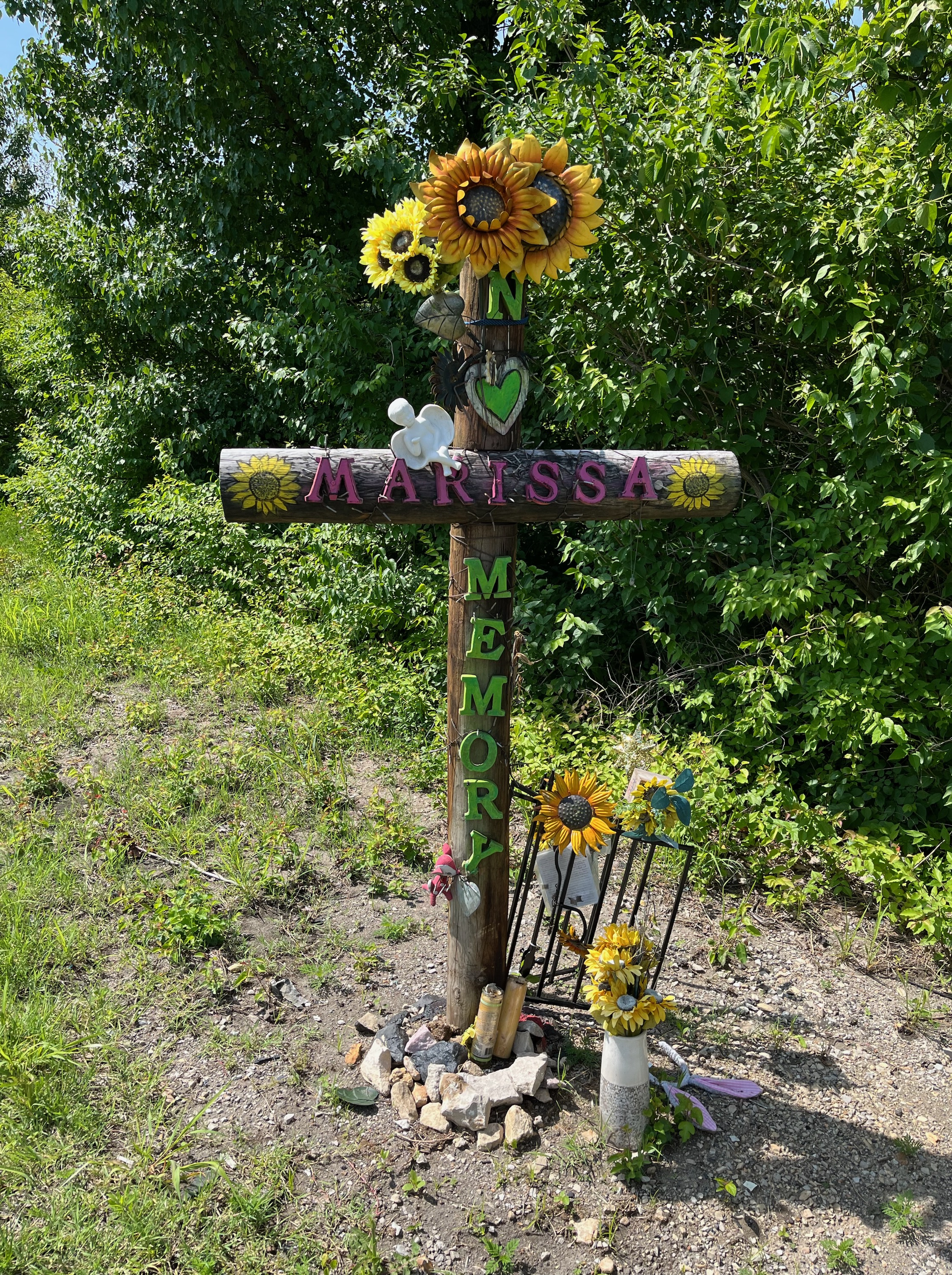
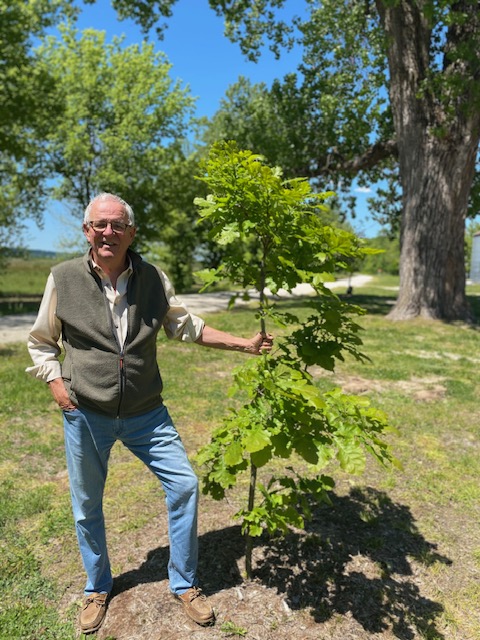
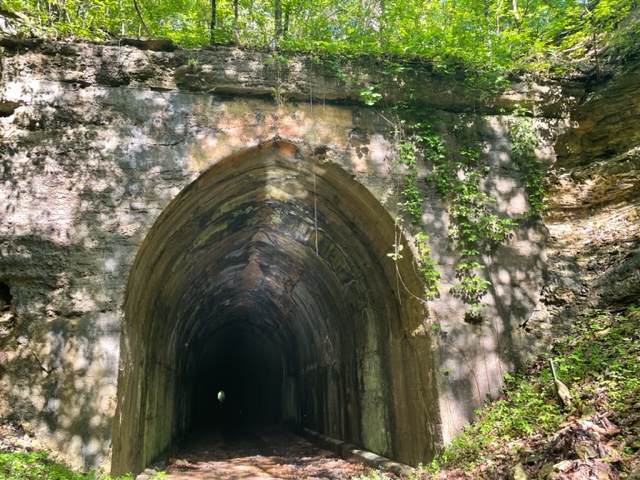
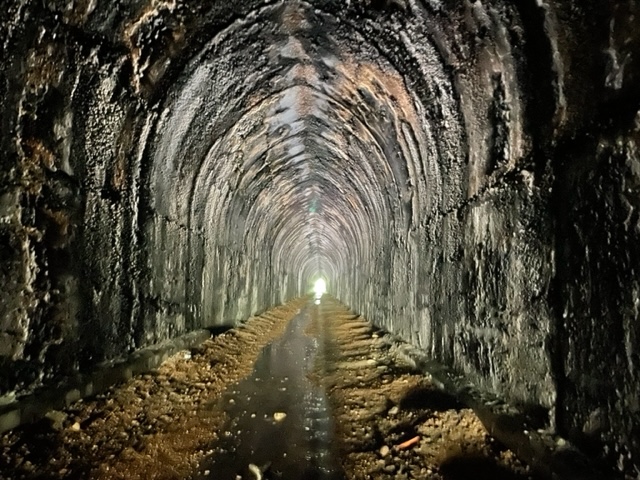
 Sassmann advocates for the completion of the Rock Island Trail State Park and will frequently show photos of the corridor and the amazing sights and scenes that will be available when funding becomes available to complete the corridor’s entire length. Some of those visuals are posted with this article.
With completion of the Rock Island Trail State Park, the corridor will likely have
trailheads at Windsor, Ionia, Cole Camp, Stover, Versailles, Barnett, Eldon, Eugene Meta Argyle Freeburg Belle Bland Owensville Rosebud Gerald Beaufort and Union.
The open section now runs 47.5 miles from Pleasant Hill to Windsor. There are five trailheads, including the trailhead at Windsor that the park shares with Katy Trail State Park.
This developed section was originally considered the Rock Island Spur of Katy Trail State Park. With the acquisition of the Rock Island Railroad corridor, the developed spur became part of Rock Island Trail State Park.
Rock Island Trail State Park is part of a larger rail-to-trail system within Missouri State Parks. At Windsor, Rock Island Trail State Park connects to Katy Trail State Park, the nation’s longest developed rail-trail stretching 240 miles between Clinton and Machens in St. Charles County.
Katy is built on the former corridor of the Missouri-Kansas-Texas Railroad (MKT or Katy) and features 26 trailheads and four fully restored depots along the way. The trail is open to walkers, hikers and bicyclists with sections also open for equestrian use. Katy Trail State Park annually attracts more than 400,000 visitors.

Rock Island Trail State Park will connect to Jackson County’s Rock Island Trail and will become part of a trail network spanning the entire state of Missouri, linking Kansas City to St. Louis.
At the recent unveiling of Missouri’s 93rd State Park, the Missouri Department of Natural Resources released some fascinating factoids about the corridor:
Did you know…
Continue reading →
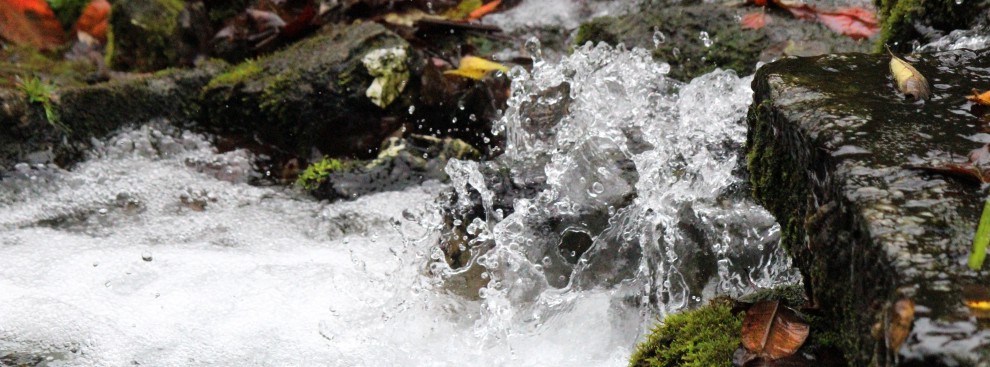
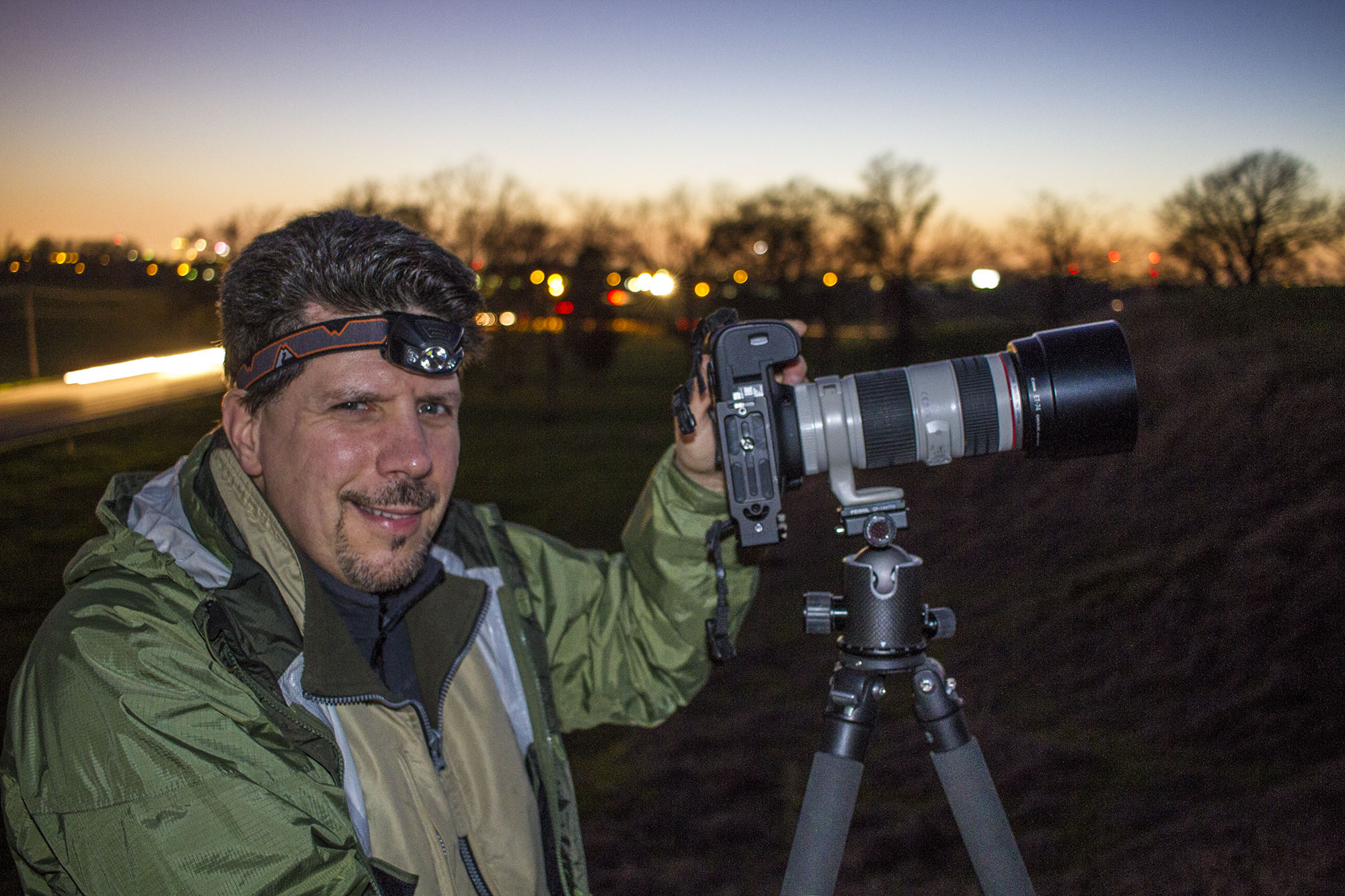
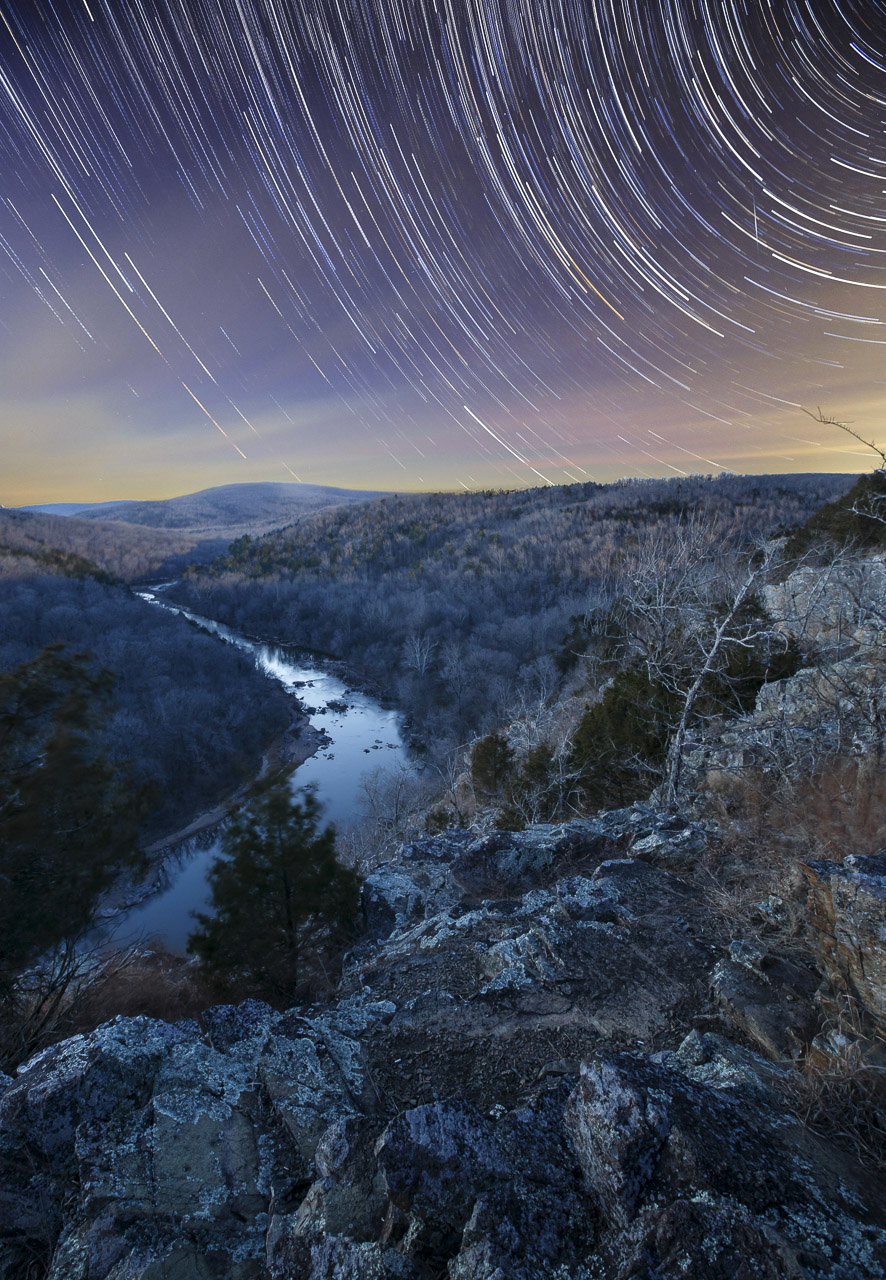 These photographs are a collection of twilight scenes, starscapes, long exposure star trails, and moonlit landscapes, all revealed by the photographic magic of long exposures.