Image

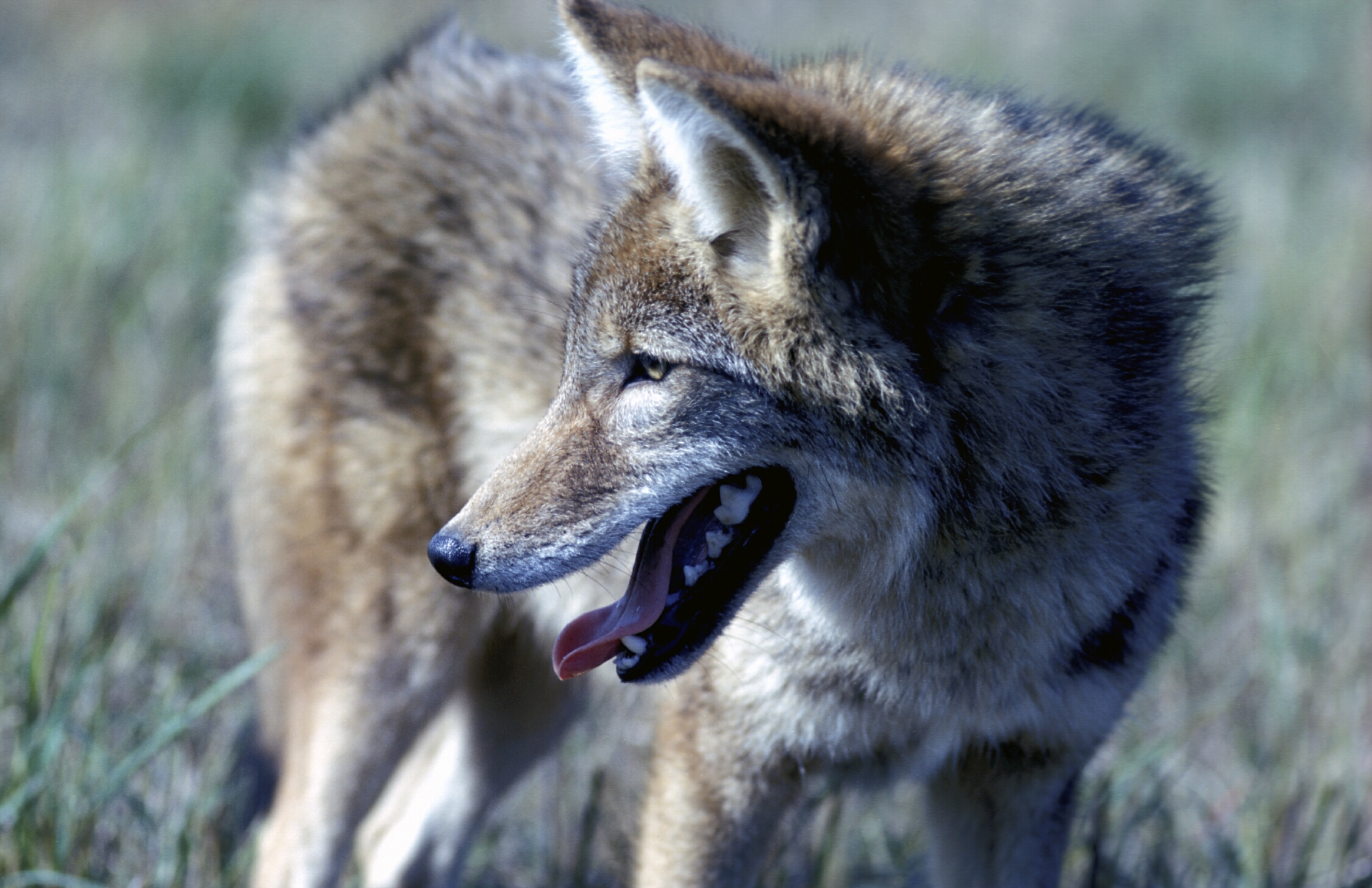
More St. Louis Area Sightings! Coyotes Proliferate After Much Cicada Munching in 2024

By Don Corrigan

Photo: MDC

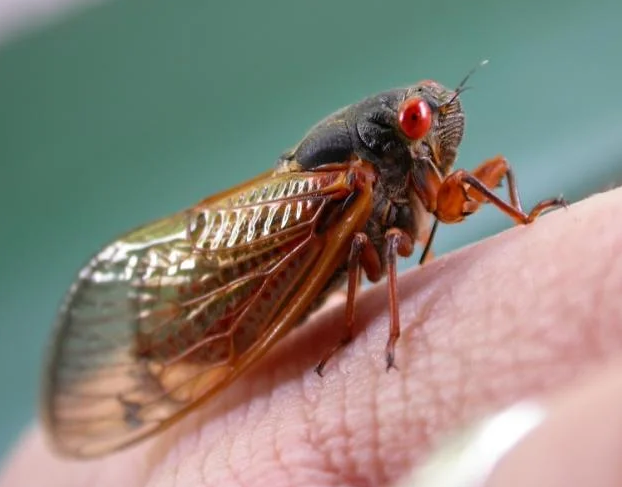
Coyote sighting photos have been finding their way onto Facebook sites in the St. Louis area. If you want to know why the wily coyotes are now appearing in abundance, blame it on … cicadas. Cicadas?

“This is an exceptional year for seeing coyotes on the landscape,” said Erin Shank. “This is due to the cicada emergence last spring, which produced plentiful food resources. This has led to high survival rates for coyotes and many other species.

Photo: MDC

In other words, many critters enjoyed some ready-made dinners – feasting on literally billions of cicadas last year. Among the many diners were coyotes and their pups who benefited from a banner year of bountiful bugs in 2024.

“The most important item to stress now is to not feed the coyotes, whether on purpose or inadvertently,” said Shank, a once-familiar face at Powder Valley Nature Center in Kirkwood.

These days Shenk spends a lot of her time at Busch Wildlife Center. She works there as the St. Louis Region Community and Private Land Conservation Unit Supervisor for the Missouri Department of Conservation.

Shenk has a soft spot for coyotes, but she concedes their presence in St. Louis suburbs can become problematic, especially if they become aggressive. They should not be fed.

“The cicadas are gone, but coyotes are here and they’re very opportunistic eaters. They’ll feast on anything from pet food to trash,” said Shank. “Fed coyotes have a much higher tendency to become a nuisance.”

Continue reading

Image

Forest ReLeaf of Missouri: April Open Nursery Potting Day, April 12, 2025

April Open Nursery Potting Day, Saturday, April 12 · 9 – 11am, located at CommuniTree Gardens Nursery, 2194 Creve Coeur Mill Road South Maryland Heights, MO 63146. Register HERE.

Each year Forest ReLeaf pots over 20,000 bare root seedlings in preparation for distribution to tree planting projects across the state of Missouri in the spring and fall. This is made possible through volunteer efforts!

Helping hands of all ages are welcomed to the nursery to help make sure these young trees get planted properly. Potting days begin with a tour of the nursery and a quick overview of the process, and ample opportunities for breaks. We’ll provide gloves, training, and snacks.

Please dress for dirt and weather and bring a reusable water bottle to stay hydrated!

Great Rivers Greenway: St. Vincent Greenway Walking Book Club

Great Rivers Greenway offers many great events to join! Checkout the monthly walking book club! Find more events at the Great Rivers Greenway online event calendar.

Monday, May 12, 20255:30 pm – 7:30 pm, Cabanne Branch Library, Union Boulevard, St. Louis, MO.

Embark on a literary journey with our walking book club, Book Talk and Walk!

Each month, we gather at the Cabanne Library and set off on a delightful 2-mile walk along the scenic St. Vincent Greenway, Delmar main street, and Ivory Perry Park. As we stroll, we’ll dive into engaging discussions about the month’s selected book. Some print copies will be available at Cabanne Library for check out. May book: Harlem Shuffle by Colson Whitehead

Image

2025 Urban Gardening Symposium

Join Brightside St. Louis, Saturday, May 31st, 2025 for the St. Louis Urban Gardening Symposium located at Brightside St. Louis’ Demonstration Garden at 4646 Shenandoah Avenue.

The symposium will feature Dr. Ed Spevak as the keynote speaker. Dr. Spevak is the Curator of Invertebrates at the Saint Louis Zoo and Director of Saint Louis Zoo’s WildCare Institute Center for Native Pollinator Conservation (CNPC). He will share his expertise in native plants and pollinators.

The event will also showcase local experts with experience and knowledge of installing and caring for native plants and creating garden designs beneficial to pollinators and beautiful for your neighborhood. You’ll enjoy the variety of organizations represented- from MSD Project Clear to St. Louis Master Gardeners!

Following the initial showcase, concurrent workshops led by experts in their respective fields will help gardeners learn how to plan, plant and care for a neighborhood or home garden. There will be opportunities to “Ask the Experts” between sessions and to purchase native plants after the workshops!

For more information, registration and cost details, workshop line-up and event flyer click link below.

Brightside Symposium 2025

Webster’s Carol Hodson: Artist Leaves College Classroom For Work In Disaster Areas

by Don Corrigan

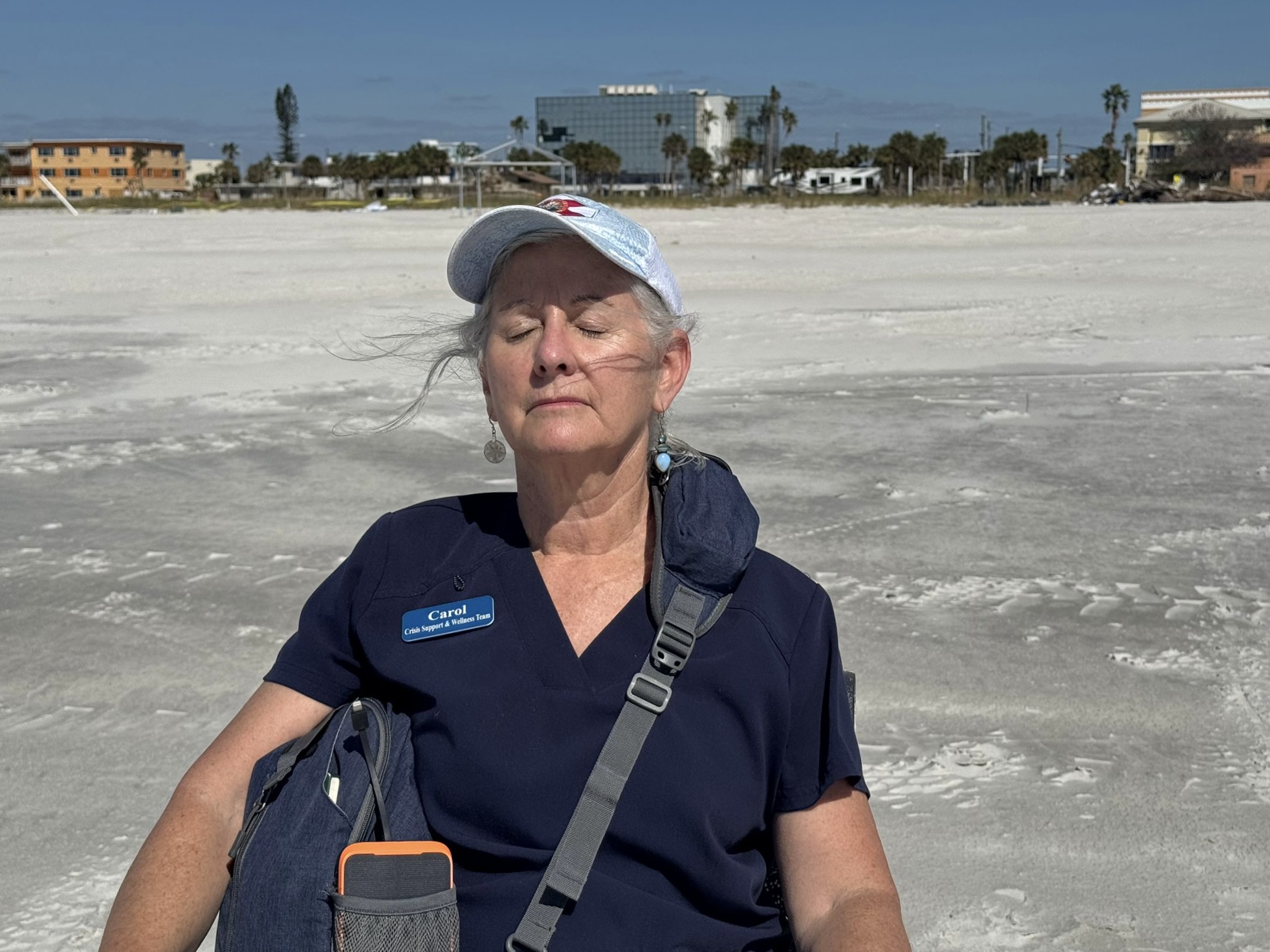
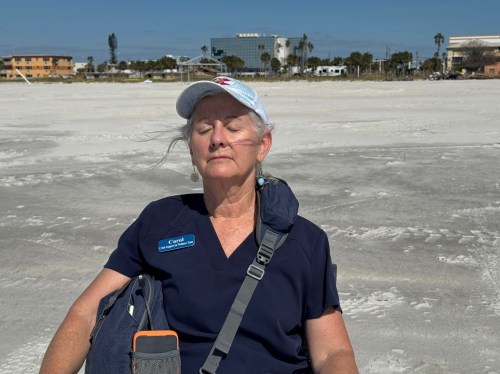
Rare moment of rest on last day of overlapping deployment for Helene and Milton.

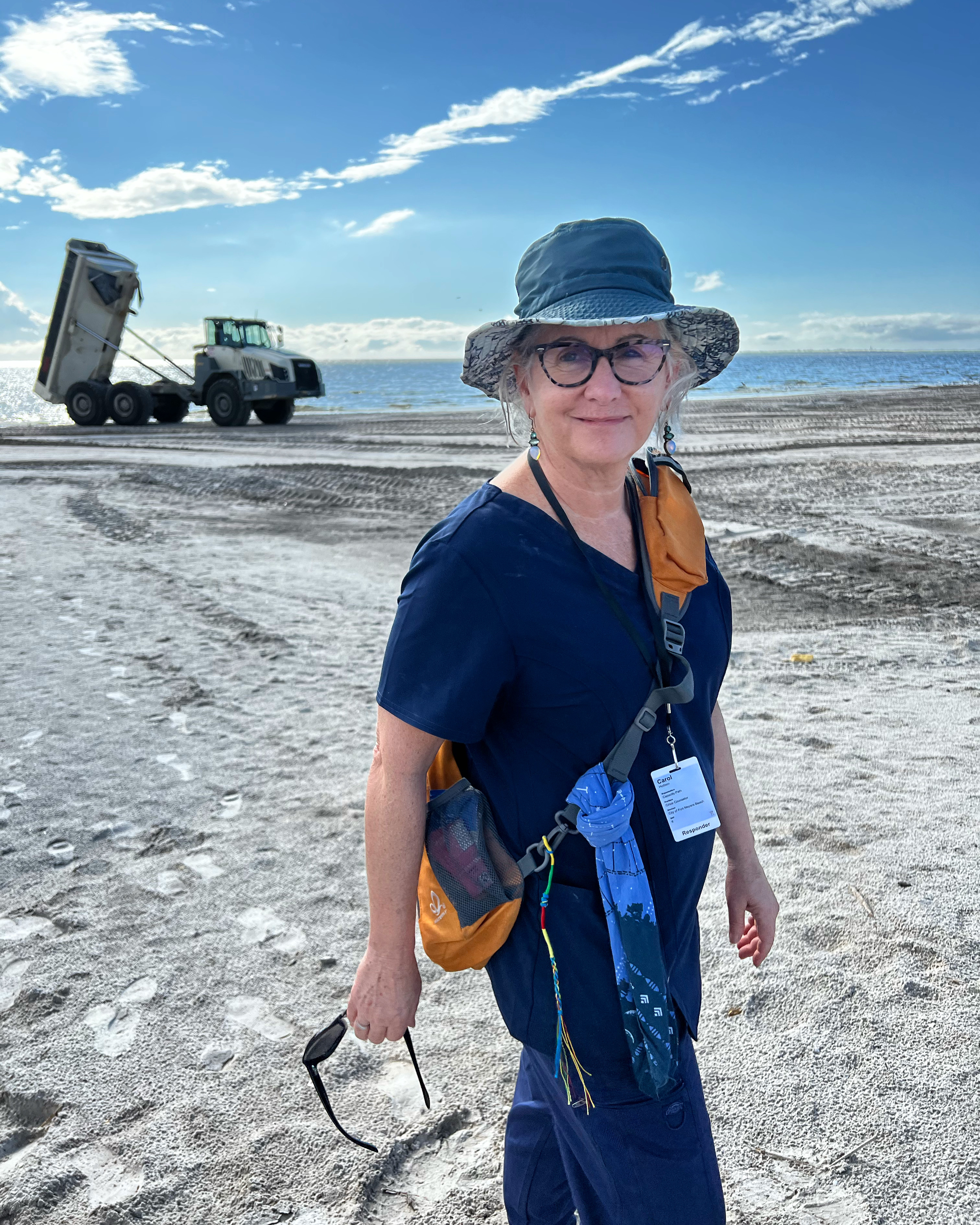
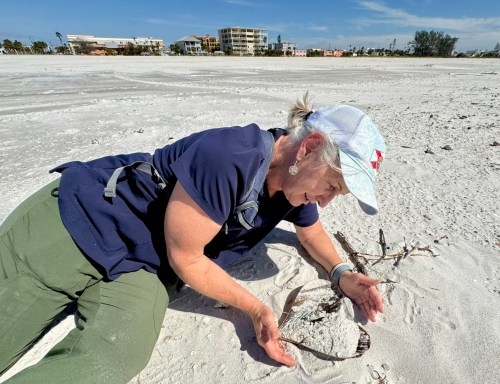
After several decades of college teaching, Webster University Art Professor Emeritus Carol Hodson decided to take her expressive arts knowledge on the road – and the road has led to national disaster areas.

“We are having more and more natural disasters in America, from wildfires, to windstorms, to flooding,” said Hodson of Webster Groves. “The victims need more than just physical help or financial support, they are often traumatized. I do trauma therapy.”

Psychologists say what Hodson is engaged in is “climate change trauma,” and there’s more of it every year. Hodson has worked on the scene after hurricanes like Ida in 2021, Ian in 2022, Idalia in 2023, Debby in 2024, Helene in 2024 and Milton in October 2024.

The deadly inferno that hit Los Angeles in January and February of this year has put wildfires on Hodson’s radar. As with hurricane victims, the wildfires have caused significant mental health trauma for many residents, including those who lost homes, witnessed the fires, or were displaced.

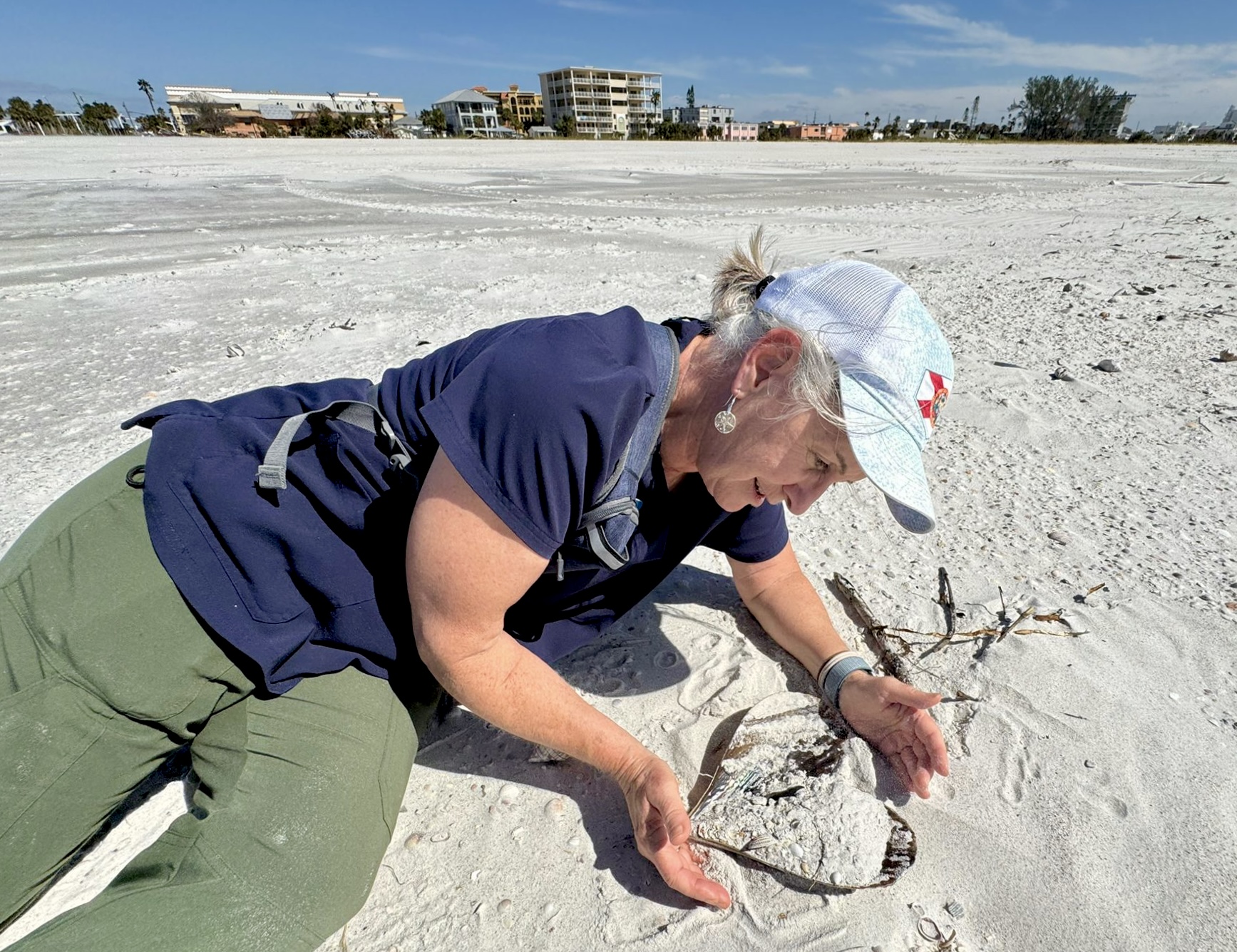
Horseshoe Beach

In the aftermath of natural disasters, individuals feel a range of emotions, including denial, anger, sadness, shock and hopelessness. This emotional response can evolve into later phases of uncontrollable grief, hyper-anxiety, bitterness and depression.

Additionally, people can develop post-traumatic stress disorder (PTSD), which can include intrusive thoughts, nightmares and suicidal tendencies. Increased risk of chronic health conditions and the risk of self-harm is often present.
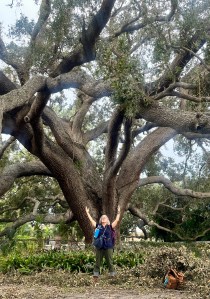
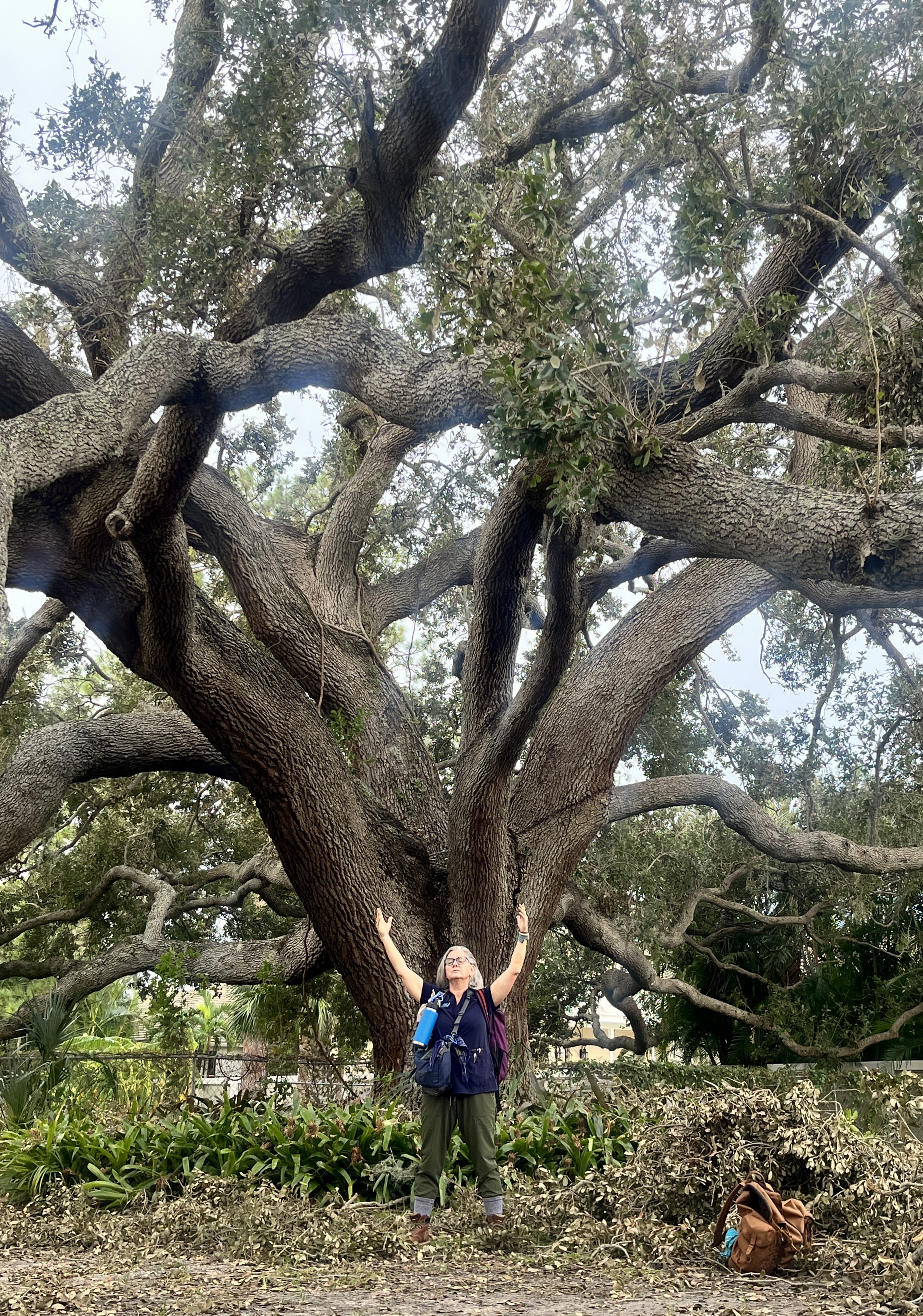
Florida Live Oaks like this in Pinellas County, are a symbol of resiliency especially after consecutive impact of Helene and Milton.

“I’ve been in situations after hurricanes where people completely close off and are uncommunicative,” said Hodson. “Their homes are splinters and their lives are shattered. They have witnessed injuries and even deaths that are debilitating for them.

“Our first job is to look as non-threatening as possible,” said Hodson. “We wear scrubs to assure those who may be wandering around in the destruction that we are health workers. We talk and assess the individuals who need our assistance.”

Generally speaking, Hodson said she and other approved volunteers and medical personnel make assessments in three categories: Individuals who are dazed and confused; those who are agitated and often angry; those who are silent and in depression.

From her studies on trauma, Hodson has drawn inspiration and technique from many sources. She is a licensed mental health counselor in Missouri and Massachusetts. She is a certified Expressive Arts Therapist, a Somatic Experiencing™ Practitioner, and Crisis Stabilization Support Counselor.


From Classroom to Crisis

Hodson joined the faculty of Webster University in 1990 as an artist and professor. Early on in her classes on the Webster Groves campus she saw students showing symptoms of addiction, eating disorders, abuse and trauma.

“I have always taught that art can be used as a powerful tool for healing one’s self,” said Hodson. “But it became evident to me that if I were to ethically support students to explore personal issues, I needed more background.
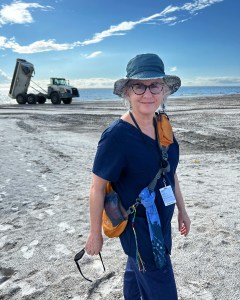
Fort Meyers beach cleanup after Ian

To complement her creative work and artist’s intuition, she sought training as a therapist. She pursued an additional degree track in 2015-2018, attaining an M.A. in Mental Health Counseling with emphasis in Expressive Arts Therapy, from Lesley University in Cambridge, Massachusetts.

After graduation from Lesley, Hodson volunteered over 2,000 hours under the supervision of Dr. Patrick Stack, director of Webster’s Counseling and Life Development Center.

She worked as an Expressive Arts Therapist with Webster students as clients in the Center. At the same time, she has juggled her teaching commitment in the Department of Art, Design, and Art History (DADAH).
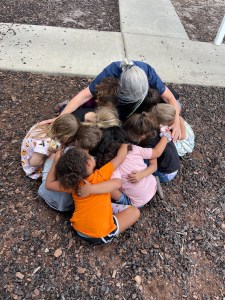
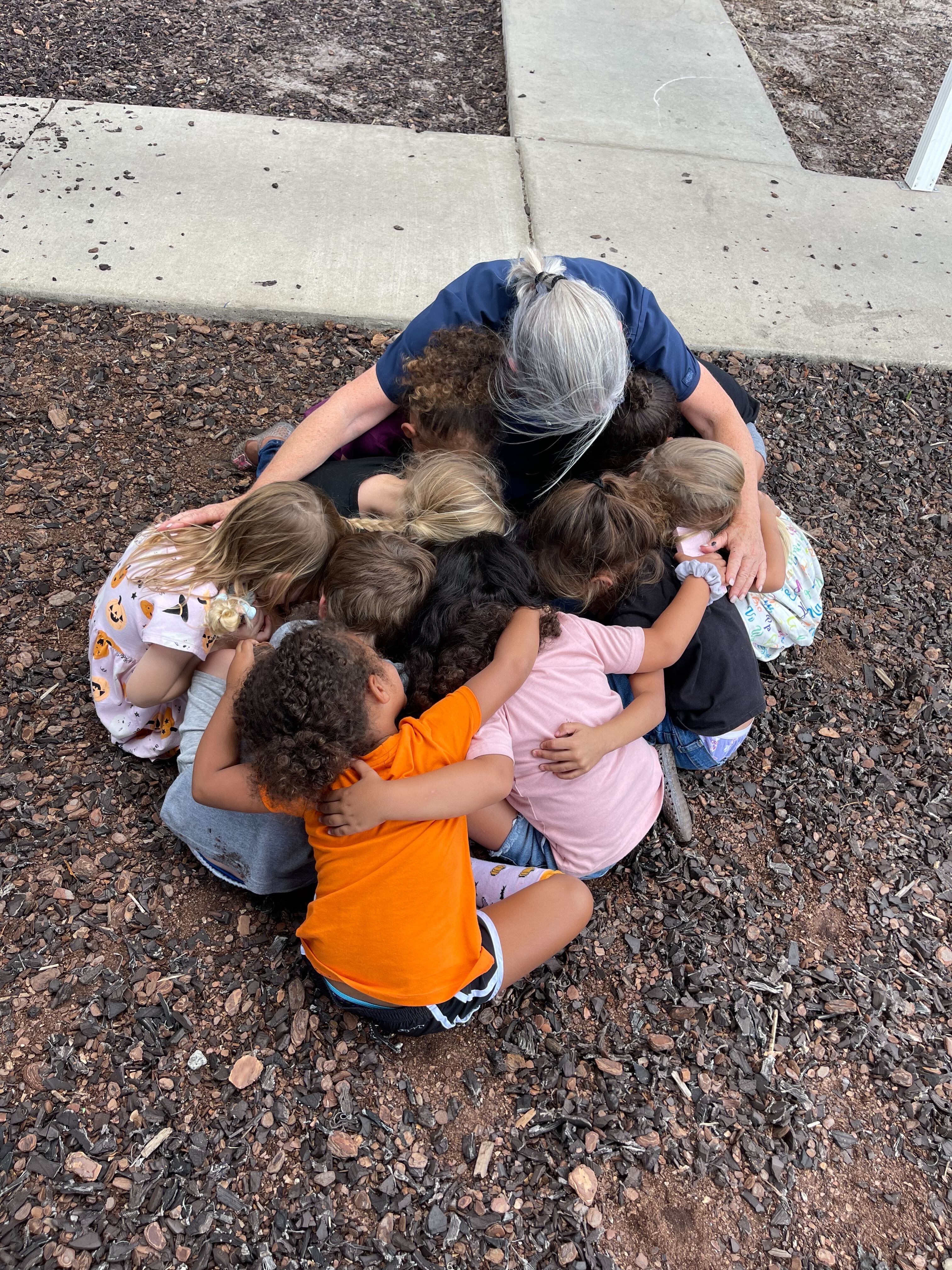
Hodson improvises with pre-schoolers in Perry County

In DADAH, Hodson developed the Certificate in Expressive Arts Therapy that has been offered on the undergraduate level and cross-listed with psychology. She also began thinking about a private practice, which is established now.

“When we were out of the classroom in 2020 because of the COVID pandemic, I continued volunteering through the counseling center to offer support on Zoom. That’s not ideal, but it was useful,” Hodson said.

“Looking through a trauma-informed lens, it was possible to predict at the time of the pandemic, the exhaustion, numbness, and anxiety that some students, faculty and staff are still experiencing now.”
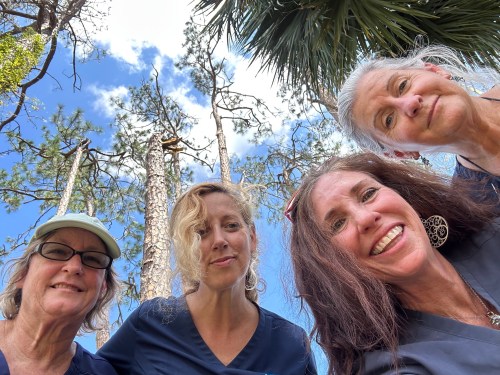
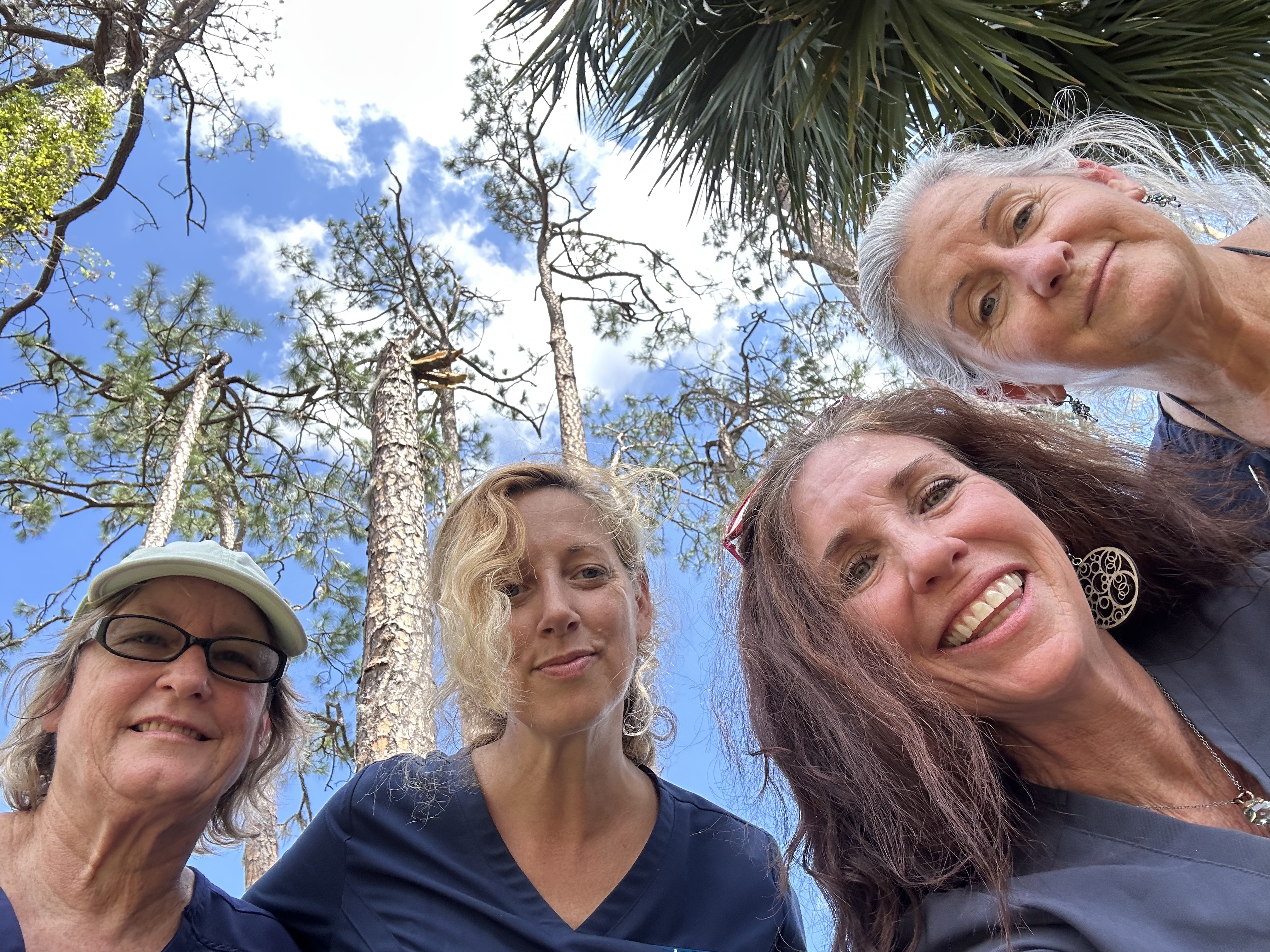
Carrie Phelps-caniosacral, Amie Leigh,commander, Stacy Brown Counselor, Carol Hodson

Trauma Therapy Treatment

Hodson finds that many people think Expressive Arts Therapy must involve sketching and painting, and analysis of what ends up on the canvas. The healing process could involve some of this, but much more is involved.

Expressive arts can include visual creations, music, song, writing, drama, and movement. The arts can empower those suffering from trauma to tap into the power of images, movement, sound, role-playing, and writing as therapeutic modes of communication.
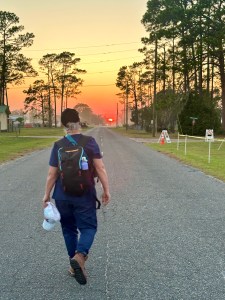
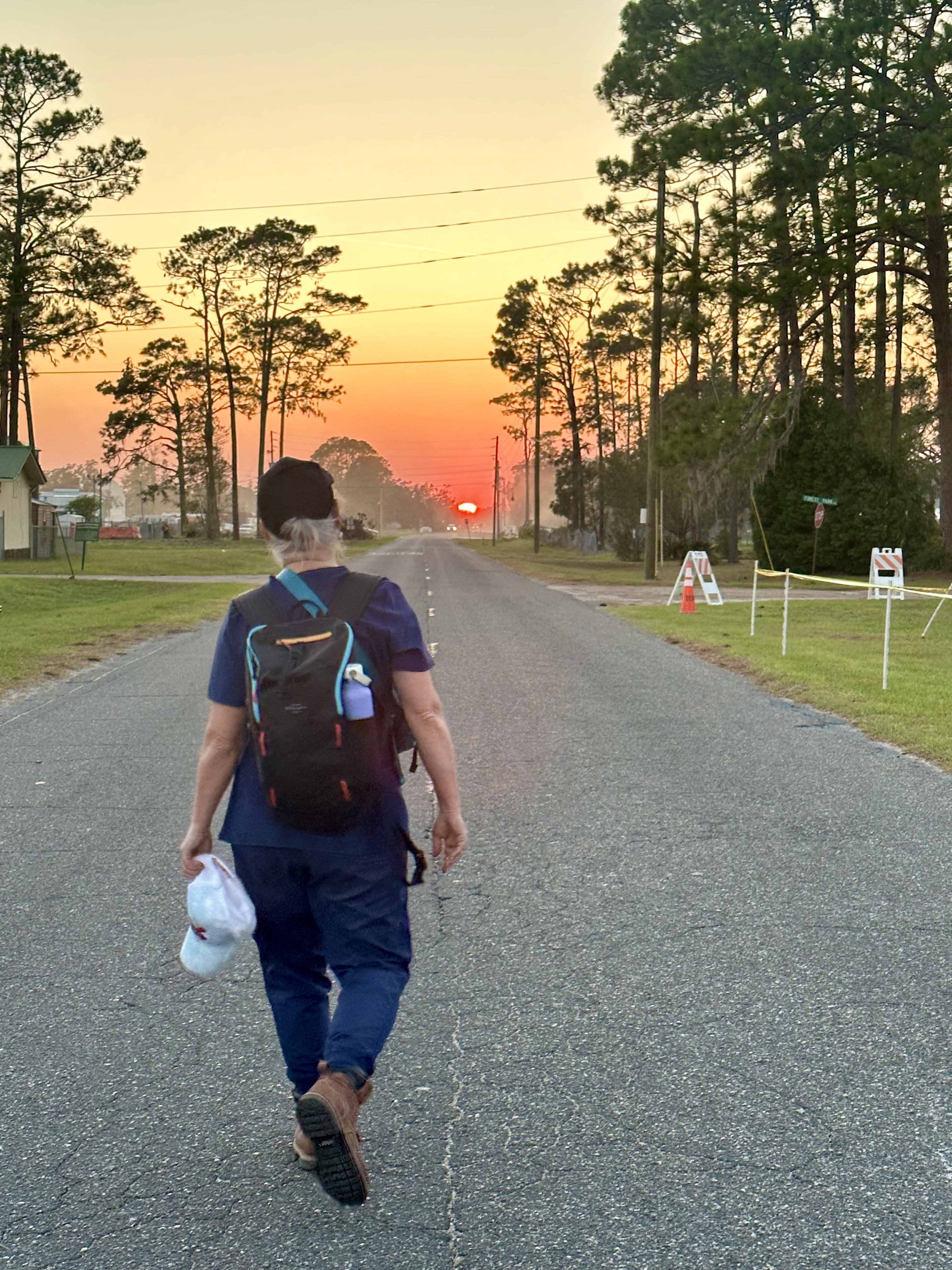
End of a hot, rewarding day

“It’s all intended to reduce the self-blame that can come from the psychological distress of traumatic experiences,” said Hodson. “The mission is to move out of the isolating state of ‘being victims’ and to lean into perceiving oneself and others as a survivors.”

Part of Hodson’s approach is based on the life work of Peter Levine and his Somatic Experiencing™(SE). It’s therapy based on a multidisciplinary intersection of physiology, psychology, ethology, biology, neuroscience, indigenous healing practices, and medical biophysics.
“The goal of SE is to guide the nervous system to more effectively regulate trauma-related responses to stress,” said Hodson. “It’s a gentle approach that helps to release trauma, without the pain of reliving all the details of what caused the trauma.”

Image

Confluence Trash Bash, April 12, 2025

Register now to volunteer for the 2025 Confluence Trash Bash on April 12, 2025.

Be a part of one of the largest volunteer clean-up events in the region & help beautify the Lower Missouri River watershed.

Learn more at: https://volunteer.openspacestl.org/agency/detail/?agency_id=132647

MDC and MU Extension Thank Missouri Master Naturalists for 2024 Accomplishments

New Master Naturalist members Jerricho Jonker and Jacob Mace learn the protocol for monitoring Barn Owl nesting boxes from senior volunteers with Hi Lonesome Chapter and landowner Susan Lorde Marker.

Volunteers provided more than 75,000 hours of service to local communities in 2024.

The Missouri Department of Conservation (MDC) and MU Extension thank the Missouri Master Naturalists for volunteering thousands of hours to conserving Missouri’s natural resources in 2024.

Missouri Master Naturalists participate in a chapter-based natural resource education and volunteer program within their community that is sponsored by MDC and MU Extension. They sometimes assist with MDC research or conduct habitat improvement projects, but they often serve at educational or special-event programs that are conducted with numerous chapter partners within the community.

Participants first must enroll in a core training with approximately 40 hours that is focused on Missouri’s ecological systems and conservation. Core training is conducted at the chapter-level and led by chapter advisors with both MDC and MU Extension. Master Naturalist chapters provide a corps of well-informed volunteers to serve nature and natural resources in their community.

According to Bob Pierce, Program Coordinator with MU Extension, there are 12 Missouri Master Naturalist Program chapters: Boone’s Lick in Columbia, Chert Glades in Joplin, Confluence in St. Charles, Great Rivers in St. Louis, Hi Lonesome in Cole Camp, Lake of the Ozarks in Camdenton, Loess Hills in St. Joseph, Meramec Hills in Rolla, Miramiguoa in Washington, Mississippi Hills in Hannibal, Osage Trails in Kansas City, and Springfield Plateau in Springfield.

2024 PROGRAM SNAPSHOTS

Rebecca O’Hearn, MDC Program Coordinator for Missouri Master Naturalists, reports that during 2024, the Missouri Master Naturalist Program celebrated its 20th year of programming. One of Missouri’s very first chapters, the Boone’s Lick Chapter, hosted a successful Statewide Conference in the Columbia area to commemorate the anniversary.

In addition, 11 of the 12 Master Naturalist Chapters trained more than 230 new volunteers, and the Program’s volunteers dedicated record numbers of service hours to taking care of Missouri’s natural resources and to educating Missourians about those resources.

Continue reading

Image

Starhill Tree Scholar: Guy Sternberg Notes ‘Global Destabilization’ In Arbor Talk

by Don Corrigan

In a March 1 talk that focused on oak trees in Missouri and Illinois, arborist Guy Sternberg introduced an audience at the Kirkwood Performing Arts Center to the term “global destabilization.”

The term “global destabilization” is closely related to the crisis of global warming and destructive climate change. While human awareness of the destructive impacts of global warming is growing, the will to address warming and climate change is woefully inadequate.

Hence, we get “global destabilization,” which means over-heated land masses and urban cores, destruction of plant and animal life, the creation of super-cell storms, mass migrations – and the strife that results from mass relocations of people.

Trees figure into all of this. Trees suffer immensely from the destruction of plant and animal life, from the loss of habitat, from the loss of the many pollinators that make their existence possible.

Wildfires are nothing new, but increasing climate destabilization has made their ferocity and frequency unprecedented. Whole forests of trees have been lost to these fires leaving terrible scars upon the land.

Trees also suffer from global warming because it brings the migration of insect pests into areas where they have never thrived before. Some pests wreak havoc on particular species of trees, which can have catastrophic consequences.

Although trees are victims, they also can be the heroes in the growing crisis of global warming and climate change. This is because trees can mitigate the harmful effects of climate change.

Restoring lost trees is important to slowing the climate change crisis. CO2 emissions are a major culprit in climate change. Trees capture CO2 from the atmosphere and store the carbon in their leaves, stems and roots – eventually increasing the carbon stored in soil.

Six million trillion trees once grew on Earth. Humans have cut down half of them. Restoring trees and forests can achieve much in the growing climate crisis. New tree plantings and forests can help us avoid the loss of plant and animal species that call forests home.

Continue reading

Image

Fun Activities at Lake Area Missouri State Parks

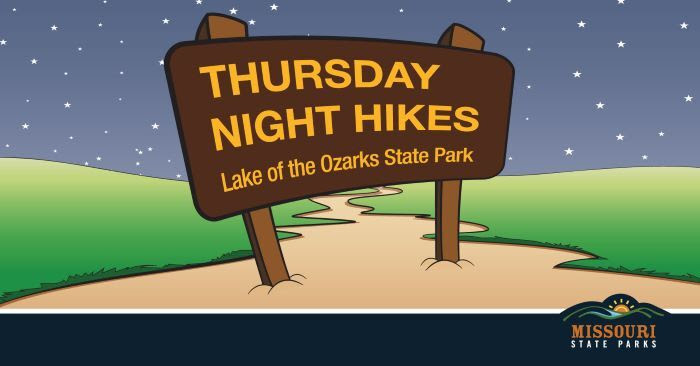
Thursday, March 13, 5:30 p.m. – Thursday Night Hike: Fawns Ridge Trail at Lake of the Ozarks State Park. Join the team at Lake of the Ozarks State Park for a series of guided night hikes each Thursday from March 13 to April 3. Participants will explore a different trail each week and are encouraged to bring water and snacks. This hike will begin at the trailhead by Public Beach #1 and is 1.4 miles long. Registration is required and can be submitted by visiting icampmo.com or by calling Brian Fredrick at 573-690-0450. Lake of the Ozarks State Park is located at 403 Highway 134 in Brumley.

Thursday, March 20, 5:30 p.m. – Thursday Night Hike: Lake View Bend Trail at Lake of the Ozarks State Park. Join the team at Lake of the Ozarks State Park for the second hike in a series of guided night hikes each Thursday from March 13 to April 3. Participants will explore a different trail each week and are encouraged to bring water and snacks. This week’s hike will begin at the trailhead and is 1.5 miles long. Registration is required and can be submitted by visiting icampmo.com or by calling Brian Fredrick at 573-690-0450. Lake of the Ozarks State Park is located at 403 Highway 134 in Brumley.

Saturday, March 22, 3 p.m. – Backyard Birds at Bennett Spring State Park.
Join the team at the nature center to learn about the basic backyard birds that are found in Missouri year round. Afterward, test your identification skills by watching our feeders for these common birds. Bring binoculars if you wish to watch the birds at the feeders. This free program is open to the public, and no registration is needed. Bennett Spring State Park is located at 26250 Highway 64A outside of Lebanon.

Thursday, March 27, 5:30 p.m. – Thursday Night Hike: Rocky Top Trail at Lake of the Ozarks State Park. The third hike in a series of guided night hikes each Thursday, March 27, at 5:30 p.m. Participants will explore a different trail each week and are encouraged to bring water and snacks. This week’s hike will begin at the trailhead and is 2 miles long. Registration is required and can be submitted by visiting icampmo.com or by calling Brian Fredrick at 573-690-0450. Lake of the Ozarks State Park is located at 403 Highway 134 in Brumley.

Saturday, March 29, 3 p.m. – Early Spring Blooms at Bennett Spring State Park. Visit the nature center to learn about the early spring wildflowers that bloom at Bennett Spring State Park. This free event will be held at 26250 Highway 64A outside of Lebanon.

For detailed information on any of these activities, please visit mostateparks.com/events. For more information on state parks and historic sites, visit mostateparks.com. Missouri State Parks is a division of the Missouri Department of Natural Resources.

Image

Spring Is In The Air: Wildflower Hike

Photo by Holly Shanks

Hiking: Wonderful Wildflowers
Date/Time: Saturday, March 29, 2025, 9:00AM-10:30AM
Registration: Register Here!
Location: Powder Valley Conservation Nature Center
Join a Powder Valley naturalist for a guided hike and learn about these temporary treasures! This hike will take place along the long loop of our Hickory Ridge Trail, which covers 1.2 miles of hilly oak-hickory forest.


Hiking: Wonderful Wildflowers
Date/Time: Saturday, March 29, 2025, 11:00 AM-12:30PM
Registration: Register Here!
Location: Powder Valley Conservation Nature Center
Join a Powder Valley naturalist for a guided hike and learn about these temporary treasures! This hike will take place along the long loop of our Hickory Ridge Trail, which covers 1.2 miles of hilly oak-hickory forest.