Video

New Solar Surges in Gateway Region Despite Pandemic

Region’s Solar Group Buy Programs Provides Additional Discount for Program Participants 

The pandemic has prompted many people to make their households more efficient and for some St. Louis area residents that means investing in solar powerTwin programs, Grow Solar St. Louis and Grow Solar Metro East, make this process easier and more affordable. 

In 2020, more than 60 property owners have already committed to go solar through the programs. All are expected to be producing electricity before the end of the year. The 500 kW of new capacity will offset more than 700,000 pounds of carbon dioxide in their first year of operation. It will save solar homeowners roughly $40,000 on electricity bills, collectively, in that same time period. 

“Another 60 households are actively considering their own commitments, and hundreds of people are joining us to learn all about solar,”  said Peter Murphy, Solar Program Director for the Midwest Renewable Energy Association, which is co-facilitating the programs with local sponsors. “It’s really exciting to see how much interest there is in solar in the Gateway Region as we approach the September 30 program deadline.” 

Continue reading below for more information about the program.

Continue reading

Image

Dark Secrets of Earthworms Unearthed at Free MDC Online Program Sept. 11

Earthworm photo courtesy MDC.

Many people think of them as helpful little critters, but you might be surprised to learn they’re not so beneficial after all.

Invaders can come in many forms. Just like the plot of a horror movie, some of them might even seem benign and helpful, while they secretly wreak havoc. You might be surprised to discover that earthworms are just such creatures.

The Truth about Earthworms is a free online program presented by the Missouri Department of Conservation (MDC) and takes place Friday, Sept. 11 from 12-1 p.m. The presentation is free and open to all ages.

“Most earthworms are not actually native to the United States and were brought here by European settlers,” said MDC Naturalist Rena Schmidt. “They may be known to be great for gardens and fishing bait, but they can have enormous negative effects on our forest ecosystems,” she said.

Continue reading

Image

Citizen Science Opportunity, MDC

Photo: MDC

Get outside and enjoy nature! Check out this information from the Missouri Department of Conservation.

Do you enjoy learning to identify new animals and plants? Do you enjoy contributing to citizen science? Help us document plant and animal life at Powder Valley Conservation Nature Center by contributing to our iNaturalist Biodiversity Project!


1. iNaturalist is FREE

2. Go to iNaturalist.org to download the free smartphone app and create an account

3. On the app, click the camera button to take a photo of a plant or animal

4. Click on “What did you see?” and try to enter the best guess using the drop-down box with suggestions. Don’t worry, others will review your identifications

5. If your photos are taken at Powder Valley, the location and project will automatically choose Powder Valley Conservation Nature Center Biodiversity Project

6. Click on the Powder Valley Conservation Nature Center Biodiversity Project to see what has been observed, who has observed, and how many species we have documented

7. For fun for the entire family and some practice before you sign up for iNaturalist, download  Seek, by iNaturalist, a smartphone app. This app works to identify your picture immediately providing you animal or plant identification and information.

Image

Derocho That Slammed Iowa Took Bite Out Of St. Louis

by Don Corrigan

The massive derocho storm that slammed Iowa on June 10, and that flattened large parts of the state, also took a bite out of northern Missouri and the St. Louis area. A derocho is a widespread straight-line wind storm that can rival tornadoes and hurricanes with its wind velocities.The June 10 squall line that ripped through Iowa destroyed more than a quarter of the state’s corn crop and left $4 billion in damages and several fatalities. St. Louis was hit with the southern edge of the storm that began in the Dakotas and moved across Iowa, Illinois and Lake Michigan.

The St. Louis suburb of Kirkwood, which is the only city in the metropolitan area that owns and operates its own electric utility, is still assessing the impact of the June 10 storm on its electrical operation.

“We’re still reviewing all the numbers,” said Mark Petty of Kirkwood Electric.  “But this may have been the worst storm for us since 2006.”

Continue reading

Image

Night at the Zoo Event For Adults (Ages 21 and Over)

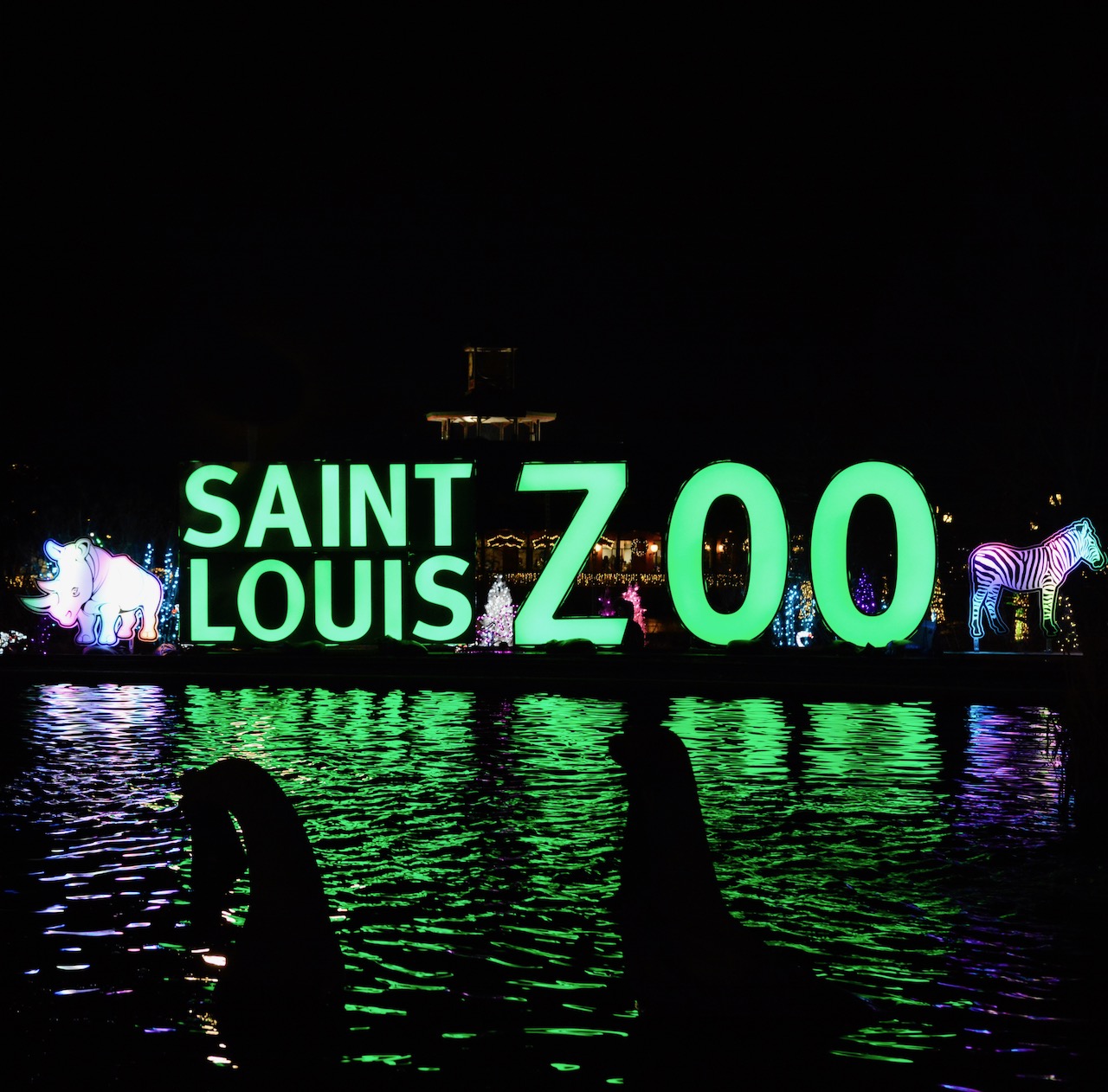
What: Night at the Zoo presented by Mid America Chevy Dealers — Adults ages 21+ are invited to spend an exclusive, limited-attendance evening among the animals at the Saint Louis Zoo. Enjoy Zoo exhibits and complimentary admission to special attractions, two complimentary drink tickets, a free animal-themed mask, and special discounts at food outlets and gift shops.
When:  Two scheduled dates:
  • 5-8:30 p.m. Thursday, Aug. 27
  • 5-8:30 p.m. Thursday, Sept. 17
(Zoo closes to the public at 4:30 p.m. on these dates.)
Where: Saint Louis Zoo
Tickets: Advance tickets are required. No tickets available at the door. Tickets available online at stlzoo.org/nightatthezoo.
  • $25/Zoo Member; $30/Non-member
  • Free parking on Zoo lots after 4:30 p.m.
More Details:  

Continue reading

Image

St. Louis Photojournalist Documents Environmental Battles

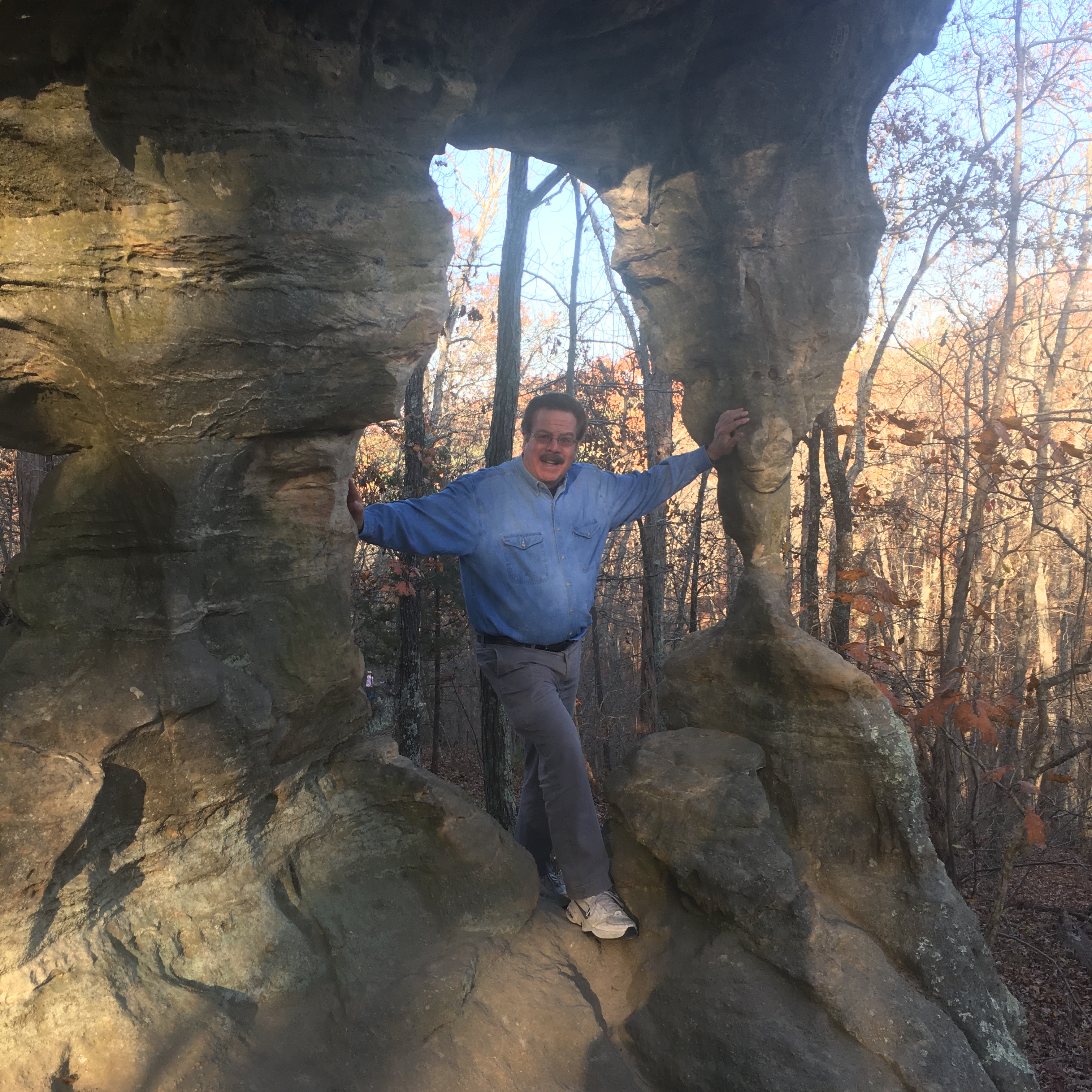
Canoeists paddle in the Mississippi River in Minneapolis, Minnesota. Photo courtesy Randall Hyman.


Pictured: Randall Hyman

By Don Corrigan

Fresh off a story about flooding and pollution on the Upper Mississippi River, photojournalist Randall Hyman of St. Louis is using a journalism award to fund an investigation into travails of the Navajo fighting oil companies wanting a piece of their native lands.

Hyman won a coveted Society of Environmental Journalism Award to cover expenses on a project entitled, “Betrayal in the Fog of Viral War,” a story on oil and gas companies exploiting native lands in New Mexico with the help of the  White House and the Interior Department.

“This Administration’s Bureau of Land Management has been trying to give away drilling rights and fracking permits on the native lands of the Navajo Nation,” Hyman explained. “It’s a little crazy now because the fracking industry is dead in the water in this economic downturn.

“The oil and gas industry has bankruptcies right and left,” said Hyman. “The fracking industry has never been profitable and it’s collapsing now with the lack of demand for oil in this pandemic economy.”

Read more of the article below.  

Continue reading

Image

MDC Online Beginning Camping Class Aug. 13

Photo courtesy MDC.

Learn everything you’ll need to create the ultimate family nature outing at this free, virtual program.

There’s never been a better time to take a “staycation” than now. One very accessible, inexpensive, and fun family outing is a camping trip. But for those new to camping, the initial startup might seem intimidating.

The Missouri Department of Conservation (MDC) is presenting a free online program to make getting a start with camping easy. MDC naturalists will present Beginning Camping Thursday, Aug. 13 from 10:30-11:30 a.m. for ages 10 and up. It’s especially tailored for novice campers and designed to take the mystery out of spending a night in the woods.

Find more information about the program and registration below.

Continue reading

Image

MDC Partnerships Help Create Green Spaces, Support Wildlife and Propel Conservation Forward.

MDC’s partnership projects, such as this pollinator plot at Cameron Golf Course in northwest Missouri, help make a difference for the state’s forest, fish, and wildlife. Photo: MDC

No one accomplishes anything alone, and through strong conservation partnerships, Missouri’s natural resources continue to be valued and supported. The Missouri Department of Conservation (MDC) is fortunate to work with numerous partner organizations that help make a difference for the state’s forest, fish, and wildlife in communities around the state. Community conservation – the practice of integrating nature into a city’s landscape – includes these impactful projects…

Read more about the MDC’s conservation projects and partners below, including grants and partnerships in the St. Louis region and across Missouri.

Continue reading

Image

MDC St. Louis Regional Office Re-Closed Amid Rising COVID-19 Cases

The incidence of COVID-19 cases has seen a significant rise in recent weeks, prompting the Missouri Department of Conservation (MDC) to close its St. Louis Regional Office on the August A. Memorial Conservation Area in St. Charles to the public. The regional office closure is effective immediately until further notice.

All outdoor spaces and fishing lakes on the conservation area remain open. The All In Bait & Tackle Shop, operated by an independent vendor, will also remain open. Visitors are reminded to observe social distancing and other COVID-19-related guidelines when on the area.

Continue reading

Image

Missouri Department of Agriculture Asks Residents to Report Unsolicited Seed Shipments

Information from the Missouri Department of Agriculture in reference to unsolicited seeds showing up in mailboxes from China. See guidance below about what to do if you or an acquaintance might receive the suspicious seeds in the mail.

The Missouri Department of Agriculture has received reports from residents of unsolicited seeds being delivered from foreign countries such as China and surrounding areas. Missouri’s announcement follows several states who have also reported packages of these seeds being delivered across the United States. Consistent with nationwide reports, the packages were labeled as jewelry, specifically stud earrings, bracelets and other accessories.”

It is important to take steps to prevent the introduction of invasive species into Missouri to ensure safety of the environment, livestock and plants. The full risk associated with the seeds in question is unknown at this time. However, the seeds could be an invasive species that has the potential to destroy native plants and damage crops. Invasive species can also introduce diseases to plants and may be harmful to livestock.

If Missouri residents have received unsolicited seeds, the following guidance applies …  Continue reading from the Missouri Department of Agriculture’s announcement HERE.