PHOTO CREDIT: Starhill Forest Arboretum.
by Don Corrigan
The term “Post Oak” means different things to different people:
• To Virginians, Post Oak is an unincorporated community in Spotsylvania.
• To folks in western Missouri, Post Oak is a community in Johnson County.
• To Texans in the city of Houston, Post Oak is a mixed-use skyscraper.
• To folks in East Texas, Post Oak is a shopping mall in College Station.
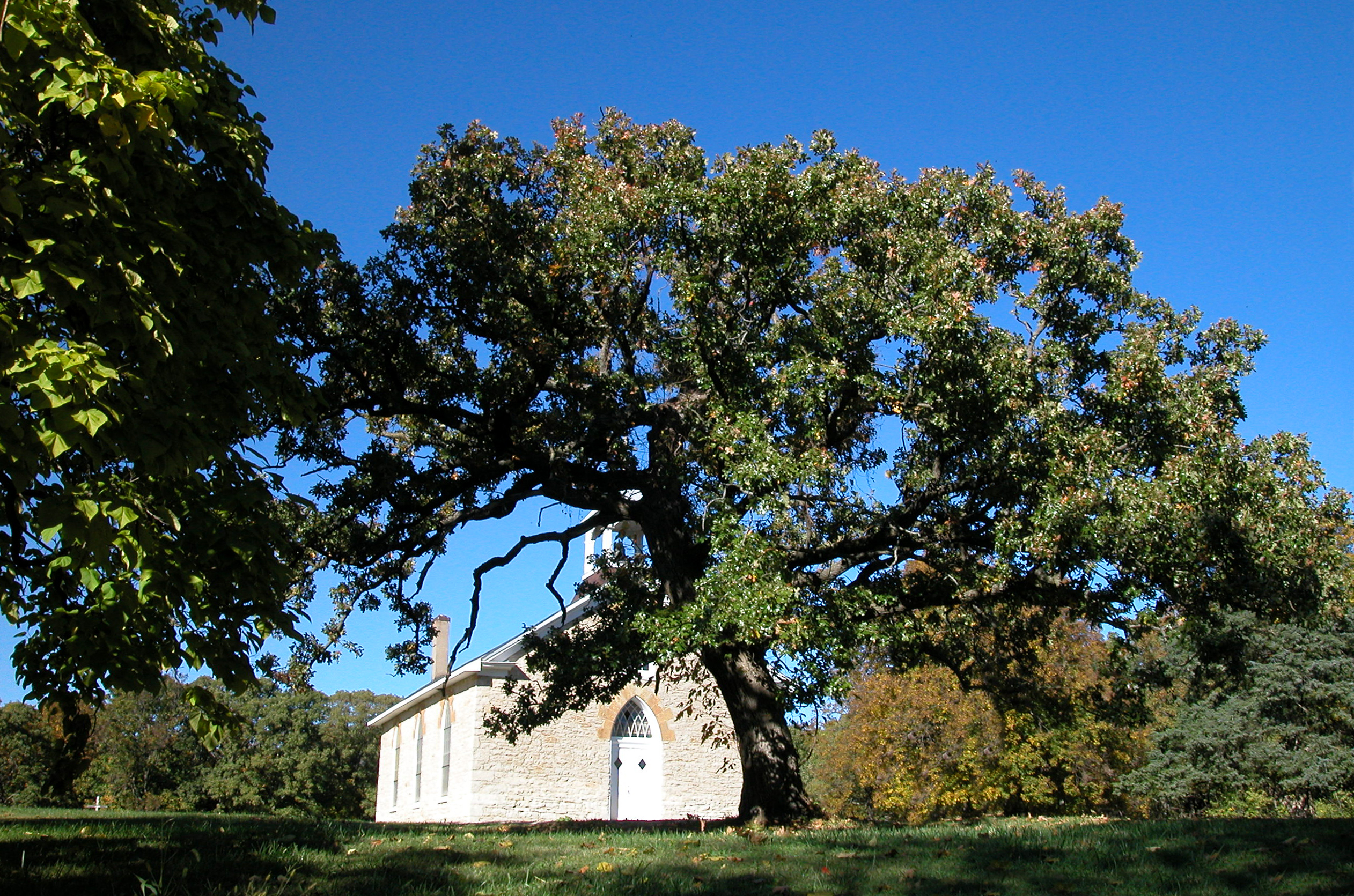
For citizens in Missouri’s Greentree City of Kirkwood, a post oak is a tree, but no ordinary tree. On March 1, the post oak will be officially and most definitively declared “Kirkwood Tree of the Year 2025.”
The post oak tree program is from 10 a.m. to noon at the Kirkwood Performing Arts Center at 210 E. Monroe Ave. Visitors can consult with tree specialists and forestry experts at information tables.
“My goal for the March 1 event is to build enthusiasm among Kirkwood residents to plant more trees,” said Kirkwood Mayor Liz Gibbons. “As everyone can see, we have been losing some tree canopy in the city.
“Holding an event to highlight the ‘Kirkwood Tree of the Year,’ and to inform citizens on the advantages of a fuller canopy, should get us to the goal of replacing lost tree canopy.”