Category Archives: Local Events

Image

Sweet Corn Sunday 2026: Lots of butter, brats and a new book!

By Don Corrigan

Magnificent Missouri’s annual “Sweet Corn Sunday” will once again be rocking in the Missouri River Valley near Treloar. Festivities are slated for 11:30 a.m. to 3 p.m., August 16, and will be located along the Katy Trail at Treloar.

The action may extend to Peers and Marthasville, as many runners, hikers and bikers are already making plans. Some are even heading out on the Katy to Hermann after a lunch at Treloar.

Stop by the Ted and Pat Jones Welcome Center and the adjacent section of the Katy Trail Park to enjoy live music and tram rides to nearby Peers.

Sweet corn and bratwurst will be in abundance at at reasonable price, with proceeds going to the Marthasville Volunteer Fire Department.

If you miss the chance to talk to Magnificent Missouri’s Dan Burkhardt at the Sweet Corn Festival with his new book on trails in Missouri, you may want to catch him at the three-day Conservation Expo event in Columbia and Cooper’s Landing on Sept. 11-13

More details to come on the three-day Conservation Expo event slated for Sept. 11-13. And look for the EnvironmentalEcho.com booth at the Expo that Saturday and Sunday at Coopers Landing. The Landing is also on the Katy Trail,  so bike ride on over!

Image

Protecting Natural Wonders: Nature Event at County’s Meramec Valley Library in Fenton on July 22 Will Emphasize Park Protections

A special event at St. Louis County’s Meramec Valley Library in Fenton at 6:30 p.m., July 22, will emphasize how residents can protect the natural wonders of our state parks.

The event will feature outdoor writers and speakers and a slide show on some of the state’s beloved natural wonders. These sites are sometimes “loved too much” by visitors, and they are increasingly suffering costly damage from severe weather.

Among the speakers at the July 22 meeting will be Michael Meredith, a Missouri Master Naturalist with over 5,000 hours of volunteer service. He also is a member of the Conservation Federation of Missouri’s Executive Committee.

Additionally, Meredith is an OpenSpace STL Community Stewardship Ambassador for the Mallard Lake portion of Creve Coeur Lake Park, and also serves on the St. Louis County Parks and Recreation Advisory Board.

His wife Sue is a past 3-term member of the Missouri statehouse.

Outdoor writer Don Corrigan, author of two guidebooks to Missouri‘s natural wonders, also will provide insights on the state’s wonders to be found in parks and special places.

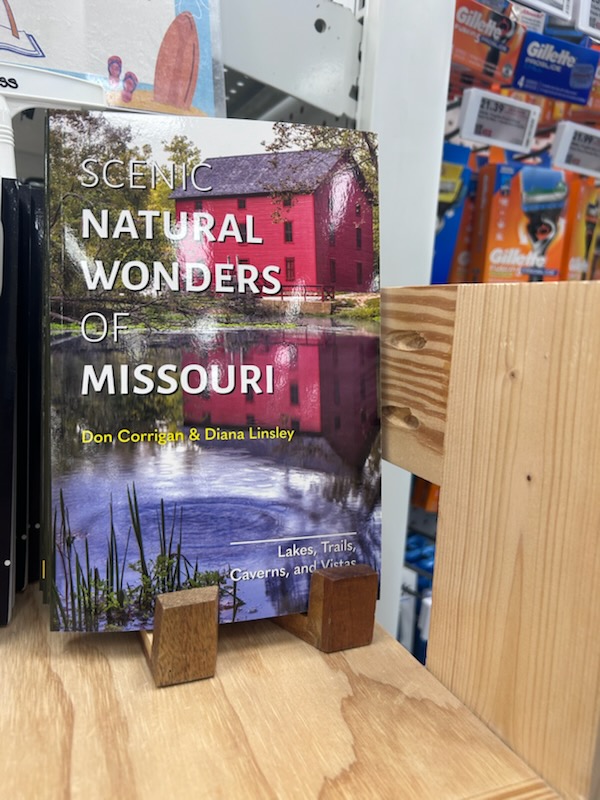
Corrigan’s new 2026 book, Scenic Missouri, caters to hikers and bikers, poets and philosophers, tree huggers and flower children. They will all take delight in the guide by writer Corrigan and outdoor photographer Diana Linsley.

The OpenSpace Council, Aududon Society, and the Missouri Coalition for the Environment are all asking state residents to take a good look at Amendment 1 which has been placed on the Aug. 4 ballot. It is a key piece of protection for our state parks and related outdoor areas.

Please see the information (below) accompanying this article that is provided by the Missouri Parks Association:

Remember to VOTE. As many of you know, Amendment 1 has been placed on the August 4 ballot. The future of Missouri’s State Parks, Soil & Water Sales Tax will be decided by voters in less than a month. Missouri Amendment 1 on the upcoming primary election ballot asks voters whether to renew the state’s existing 0.1% sales and use tax to fund state parks, historic sites, and soil and water conservation efforts.

The ballot question reads, “Shall Missouri continue for 10 years the one-tenth of one percent sales/use tax that is used for soil and water conservation and for state parks and historic sites, and resubmit this tax to the voters for approval in 10 years?” The measure allows continued collection of the existing sales and use tax, which generates revenue of approximately $140 million annually. It is important to note, the amendment does not create a new tax if approved, but rather maintains the long-established 0.001% tax that is up for renewal every 10 years.

Image

Cool off at Onondaga Cave State Park

Looking for some cool summer fun? Onondaga Cave State Park has planned some special events throughout the summer, in addition to the normal cave tours.

Saturday, July 11, at 10 a.m. – Cathedral Cave Off-Trail Tour.
These tours are perfect for beginning cavers who want a more intense cave experience, one that goes beyond the lighted tour with rails and trails. Each tour is led by an experienced guide who will provide general instructions and share information about the cave’s biology, geology and history. During the tour, participants will climb, crawl and get a little muddy, spending four to five hours in the cave and some additional time outside the cave. Each tour is limited to 15 people aged 13 and up. Paid registration is required. The fee is $75 per adult and $55 per youth. All interested guests will be asked some questions to determine whether they are able to complete the tour, and they will be shown a video of what to expect inside the cave. After registering at 573-522-3760, they will receive a list of items to bring. Caving helmets will be provided.

Sunday, July 12, at 9 a.m. and 1 p.m. – Onondaga Cave Photo Tours.
Step beyond the standard tour and take your time documenting the intricate details of Onondaga Cave. The cave’s newly upgraded lighting system highlights the stunning textures and colors of the cavern. Bring your tripod or handheld camera and join a guide for a slow-paced journey designed specifically for those behind the lens. These tours are sponsored by the Onondaga Friends Association. Please visit their website to purchase tickets in advance. Tickets are $23 apiece.

Saturday, July 18 at 9 p.m. (Rain date: July 25) – Starry Sky Night.
Join astronomy enthusiast Joe Parish in the visitor center parking lot to view the cosmos with a high-powered telescope. Although a telescope will be provided, visitors are welcome to bring viewing devices of their own.
The primary source of funding for the state park system is half of the dedicated constitutional tax of one-tenth-of-one-percent Parks, Soils and Water Sales Tax. The tax provides about three-fourths of the division’s budget for operation and development of state parks. All additional funding for Missouri’s Division of State Parks comes from revenues generated in the state park system and some federal funds.

For detailed information on any of these activities, please visit mostateparks.com. For more information on state parks and historic site events, visit mostateparks.com/events. The Division of State Parks is part of the Missouri Department of Natural Resources.

Image

Scribes Travel To Plug State Outdoor Wonders “ – Need to protect Missouri Nature Sites is more critical than ever”

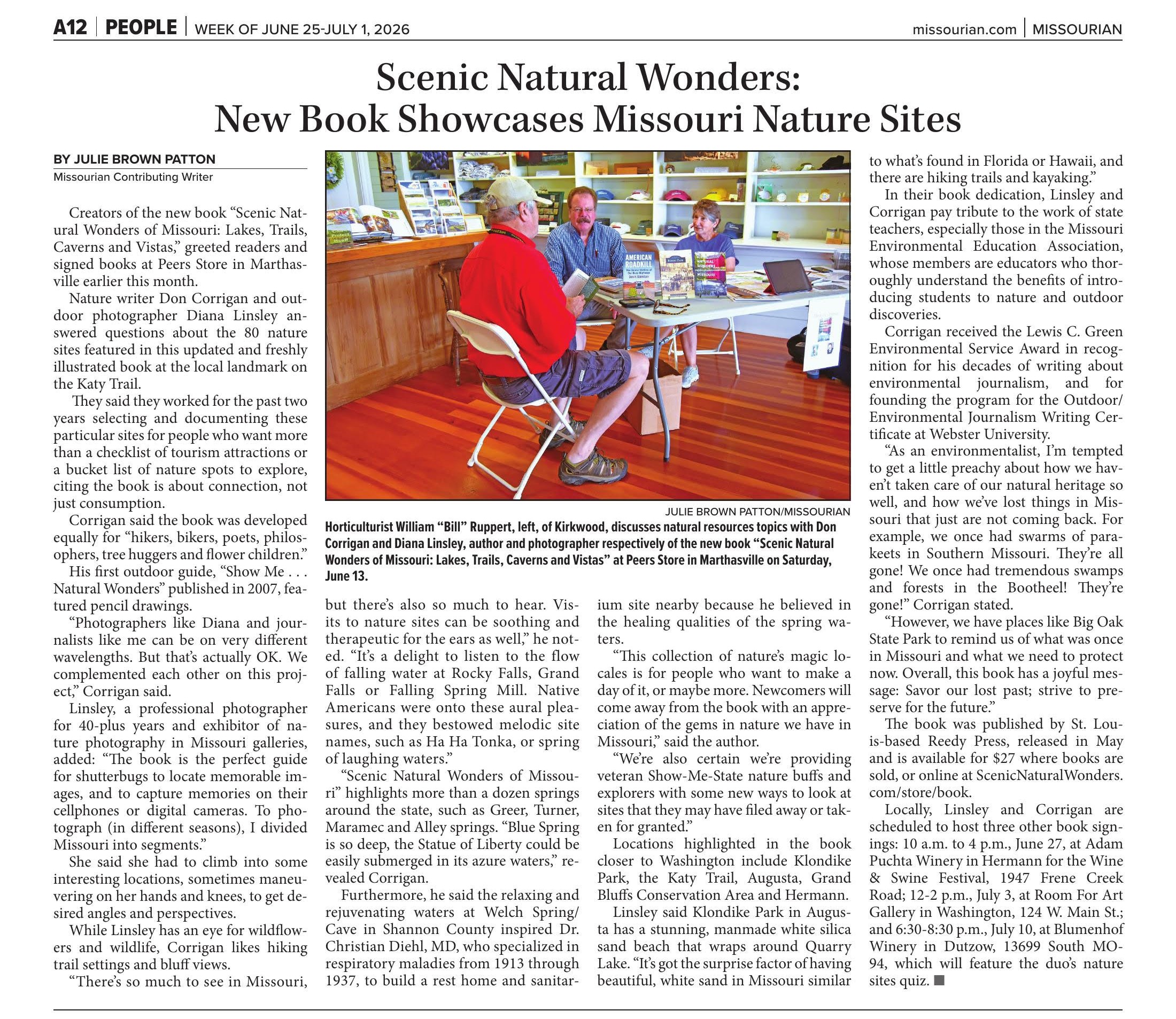
Don Corrigan, author of Scenic Natural Wonders Missouri, said the state is blessed with very diverse flora and fauna – and people for that matter!

The Missouri scribe said, “a lot gets written about how politically divided we are in Missouri going all the way back to the Civil War. But one thing that we ought to all agree on is that our natural treasures need to be protected.

“We have many wonderful naturalists and teachers in the state spreading that message, Corrigan added. “That’s why this book is dedicated to teachers who are spreading good words about a lovely world out there in the hills and wetlands of Missouri.”

Corrigan made his remarks at Peers Store along the Katy Trail. See coverage of the event in the Washington Missourian (below).


Image

Dinoroarus Brings Prehistoric Fun to Saint Louis Zoo Starting June 19

Pictured: Utahraptor. Photo courtesy of Billings Productions, Inc.

The Saint Louis Zoo will transport guests millions of years back in time starting Friday, June 19, at Dinoroarus (DIE-noh-ROAR-us), a returning, temporary attraction for all-ages. The walk-through experience will feature 20 animatronic dinosaurs and sculptures that will move, roar, spit and chomp their way through the Zoo’s Historic Hill, in the valley below the Charles H. Hoessle Herpetarium.

The collection spans the Late Triassic through the Late Cretaceous periods, representing more than 200 million years of prehistoric life that shares surprising connections with animals today. Guests will discover the latest science-backed dino facts, explore theories on mass extinction and learn practical ways to protect today’s animals from the same fate.

Together, the figures feature more than 130 individual animated movements — from independently moving eyes, arms and tails to full-body sways and water effects.

“Dinoroarus is about fun and wonder, but it’s also a reminder that no species is guaranteed a future,” said Michael Macek, Saint Louis Zoo Executive Director. “Extinction has happened before on a massive scale, and the choices we make today will determine which animals that future generations will get to know. Dinoroarus brings that lesson to life.”

New and returning highlights include: 

Continue reading →

Image

Celebrate the 150th anniversary of “The Adventures of Tom Sawyer” at Mark Twain Birthplace State Historic Site

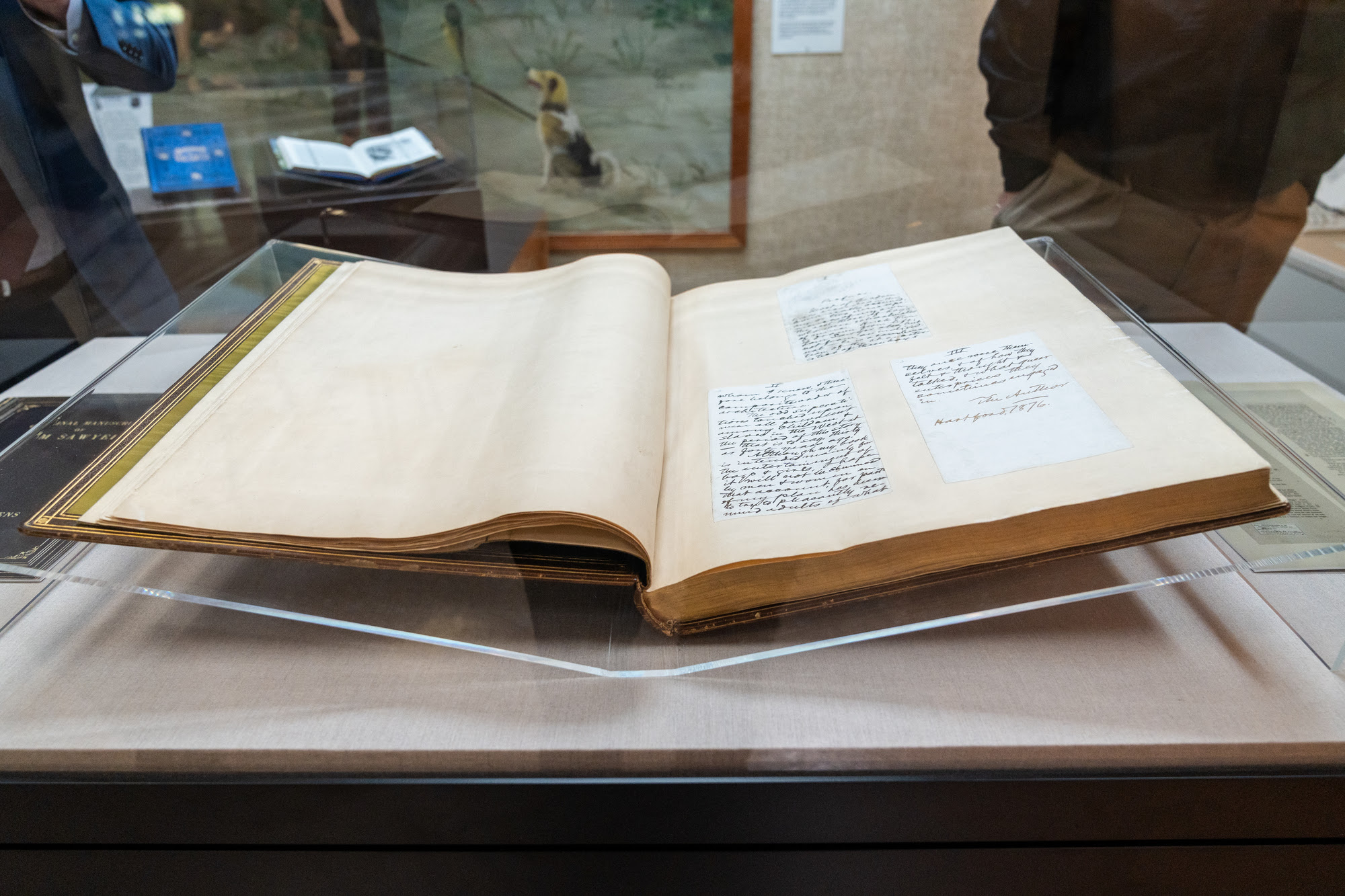
2026 marks the 150th anniversary of Mark Twain’s timeless masterpiece, “The Adventures of Tom Sawyer.” To celebrate, Mark Twain Birthplace State Historic Site invites the public to view its most prized artifact: the original, handwritten manuscript.

The manuscript went on display beginning Memorial Day weekend and will be available for a limited time.

Publishing drama
Described by Twain, whose real name was Samuel Langhorne Clemens, as “simply a hymn, put into prose form to give it a worldly air,” the novel had a tumultuous journey to print. To overcome international copyright piracy, Twain had his agent hand-deliver a manuscript to British publishers Chatto and Windus, who released the first, unillustrated edition June 9, 1876.

Delays pushed the American edition back to Dec. 8, 1876. In the interim, Canadian publishers pirated the English text, flooding the U.S. market with cheap copies, costing Twain an estimated $10,000 in lost royalties (the equivalent of about $311,000 today).

The manuscript’s journey to Missouri
The original British manuscript was tracked down by Kansas City book dealer Frank Glenn, who purchased it from the agent’s heirs in London in 1937. It was dedicated at the Missouri State Capitol in 1951 before transferring to its permanent home in Florida, Missouri, for the grand opening of Mark Twain Birthplace Memorial Shrine in June 1960.

Restored and digitized by the Missouri Secretary of State’s office in 2022, the highly light-sensitive manuscript requires strict preservation. It is kept in temperature-controlled darkness for 10 months of the year and is displayed at a low ambient light intensity of 50 lux or less for no more than two months annually.

150th anniversary highlights
Throughout the 150th anniversary year, visitors to the park can experience:

Continue reading →

Image

Scenic Missouri To Host National Symposium


Scenic Missouri will host the 2026 Scenic America Symposium on Sept. 23 to 24, in the new Bayer Center of the Missouri Botanical Garden in Saint Louis.
The symposium will serve as a national gathering focused on scenic conservation in the United States by offering a structured space for education, collaboration, and strategic action.

Its purposes include:

·       Advancing scenic conservation practices — Sessions typically cover topics such as placemaking, scenic byways, sign control, tree ordinances, and utility undergrounding.

·       Strengthening advocacy and public policy efforts — Attendees learn about local and national legislative updates that affect scenic preservation.

·       Building a network of scenic advocates — The event brings together Scenic America affiliates, community leaders, planners, designers, and activists to share best practices and coordinate efforts.

·       Showcasing scenic assets and success stories — Discussions and poster expos highlighting how scenic principles are applied in real places, reinforcing the economic and cultural value of beauty.

Hosting this symposium positions Scenic Missouri as a leader within the national movement. It also highlights Missouri’s scenic assets—especially with the event being held at the Missouri Botanical Garden—a historic landscape of international distinction.

Scenic Missouri established the Missouri Byways Program in 1990. Over the span of three decades, the program has designated 13 scenic routes, all of which showcase the state’s exceptional cultural, historical, archaeological, natural, scenic, and recreational attributes.

Missouri byways provide access to the state’s most spectacular public lands, including 10 state parks, two state forests, the Mark Twain National Forest, the Gateway Arch National Park, and the Ulysses S. Grant National Historic Site.

Image

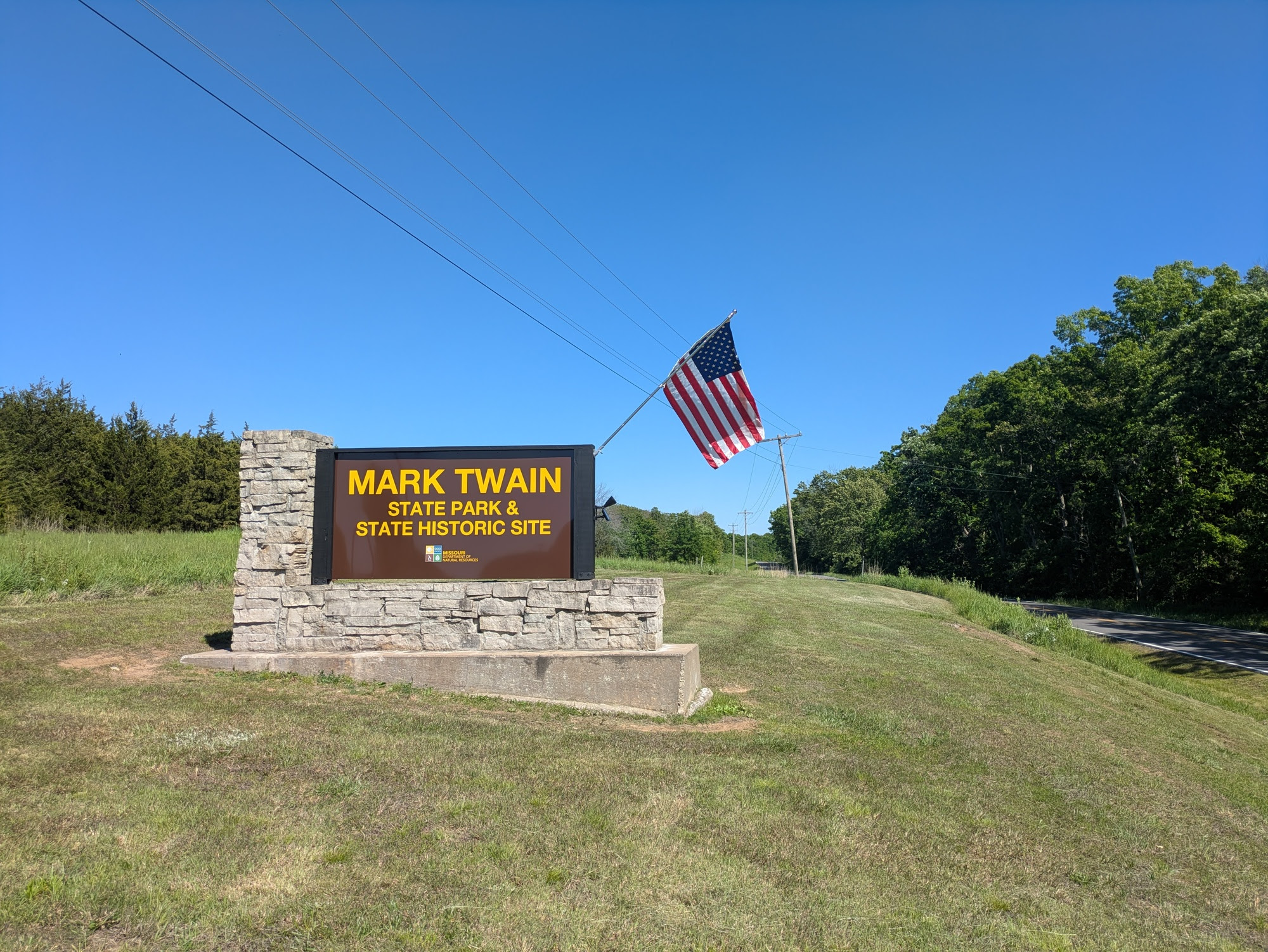
Flags Fly High Over Mark Twain State Park

America is turning 250 this year, and Mark Twain State Park near Florida, Missouri, is making sure the milestone doesn’t go unnoticed. Throughout the park, a new wave of flags marks the park’s role in the national celebration, inviting visitors to reflect on two-and-a-half centuries of history in the namesake park of one of the country’s greatest icons.

The team at Mark Twain State Park is known for their patriotism. Rachel Hoemann, park superintendent, said the flags at the park represent not only the spirit of America, but also the spirit of Missouri’s state parks.

“Seeing these flags will remind our guests that history isn’t just in books; it’s in the land as well,” Hoemann said. “Mark Twain said true patriotism is loyalty to your country all the time. By placing these flags in the park, we aren’t just celebrating a date on a calendar; we are honoring the honest and often humorous spirit that Twain gave to the American identity.”

For those spending time camping, fishing or hiking the trails of Mark Twain State Park this year, the message is simple: America is still unfolding, and its history is as vibrant and enduring as the Missouri hills themselves. Hoemann invites guests to visit the park and reflect on the past as well as the future, and to celebrate our beloved country.

Continue reading →

Image

Bike To Work Day: Dump The $$$ Gas Pump — Celebrate Bicycling To Work

Pictured: Don Corrgian

By Don Corrigan

With gas at the pump up a buck or more per gallon, area bicyclists contend that commuting on a bike is the smart way to get to work. It’s just more economical. They’re motto: “Burn calories, not fossil fuel.”
That motto was heard a lot on May 15, which marked the National Bike-to-Work Day.

Trailnet, an advocacy group promoting biking, hiking and public transit, is always a major player in celebrating bicycling’s health and economic benefits on the special day in May.

“Sure, biking to work is more economical, but that has not always been my major motivator,” said Erik Herzog. “At one point I did estimate I save a few thousand dollars in gas and parking, but other perks weigh more heavily in my choice to bike.”

Herzog of Webster Groves bikes to his job in the biology department at Washington University. His trip to Washington University and his route have altered with changing traffic patterns.

“When the Metro built a station across Laclede Station Road, I suddenly had a nice stretch of road largely forgotten by car traffic,” Herzog noted. “As the Greenways developed, I’ve enjoyed adding a stretch through Deer Creek Park to my daily commute.”

Continue reading →

Image

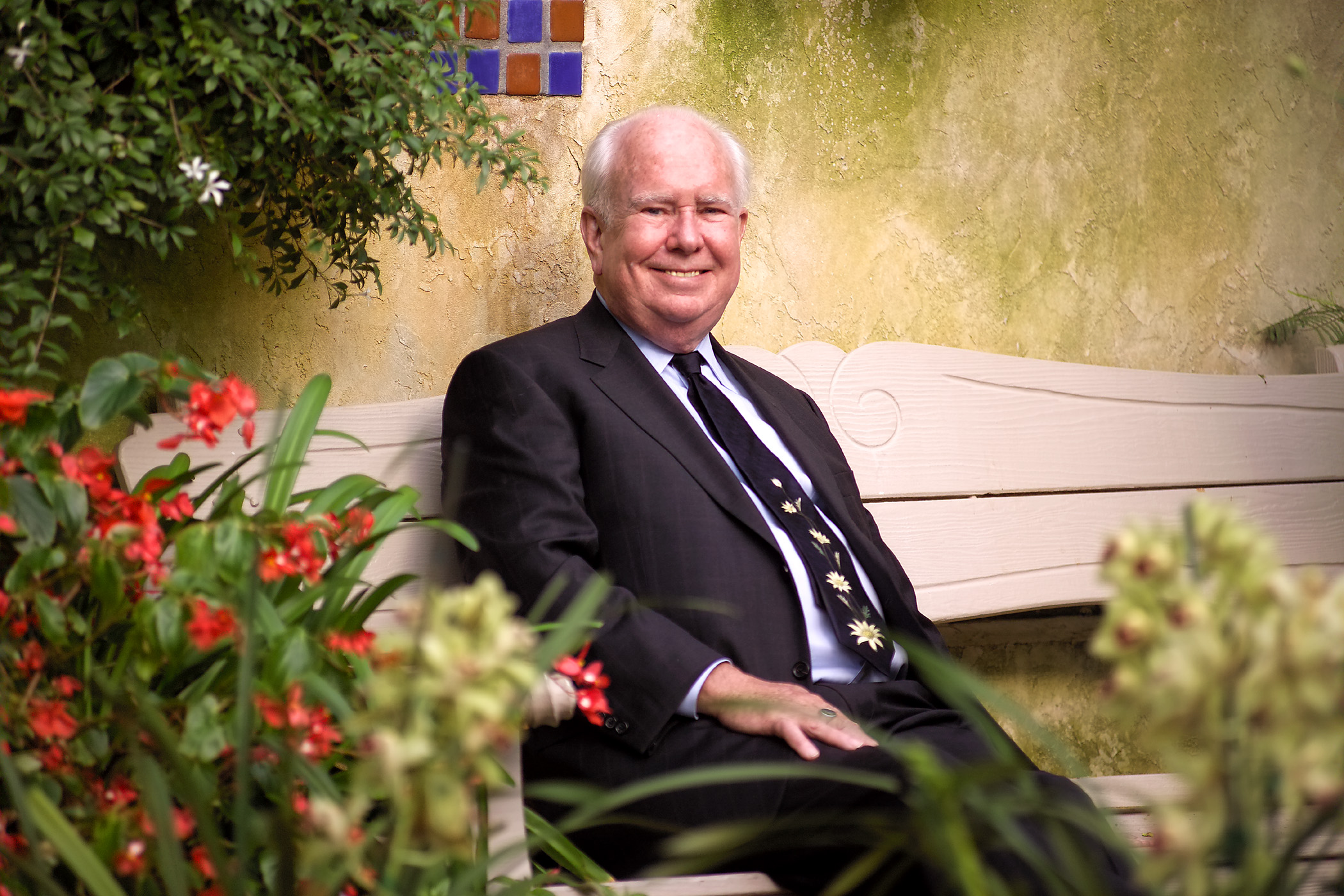
Dr. Peter H. Raven, World-Renowned Botanist and 40-Year Leader of Missouri Botanical Garden, Passes Away at 89

Dr. Peter Raven. Photo by Michael Jacob, Missouri Botanical Garden.

Dr. Peter Hamilton Raven, a botanist of global stature who transformed the Missouri Botanical Garden into one of the world’s leading centers for botany and became one of the most influential voices for biodiversity and conservation, passed away on April 25, 2026. He was 89 years old.

For nearly four decades, Dr. Raven served as President and Director of the Garden while also holding the George Engelmann Professorship of Botany at Washington University in St. Louis. When he assumed leadership of the Garden in 1971 at age 35, the institution was modest in scope. By the time he retired in 2010, he had transformed the organization into a global hub for research, education, horticultural display, and sustainability, with far-reaching scientific partnerships and conservation programs.

Dr. Raven’s vast and varied list of accomplishments at the Garden includes opening the Japanese Garden (Seiwa-en), the Margaret Grigg Nanjing Friendship Garden, the William T. Kemper Center for Home Gardening, and the Doris I. Schnuck Children’s Garden. He tripled the size of the Garden’s Herbarium, helping make it one of the largest botanical collections in the world, and greatly expanded its library, now among the world’s most comprehensive botanical libraries and since named in his honor. Dr. Raven’s many global scientific contributions in this role include founding the Garden’s William L. Brown Center and the Center for Conservation and Sustainable Development, as well as launching numerous research projects, conservation programs, and partnerships across North America and in China, Madagascar, Peru, Bolivia, and Tanzania. The 150-person staff at the start of his tenure, which included just a handful of scientists, had grown to nearly 500, including close to 50 PhD-level research scientists undertaking pioneering work on the St. Louis campus and around the world.

“Peter Raven didn’t simply lead the Garden; he redefined what it could be,” said June McAllister Fowler, chair of the Garden’s Board of Trustees. “His vision elevated it to a world-class institution while deepening its roots in St. Louis. He believed the Garden should serve its community as much as the scientific world, and that legacy is visible across our city today.”

Continue reading →