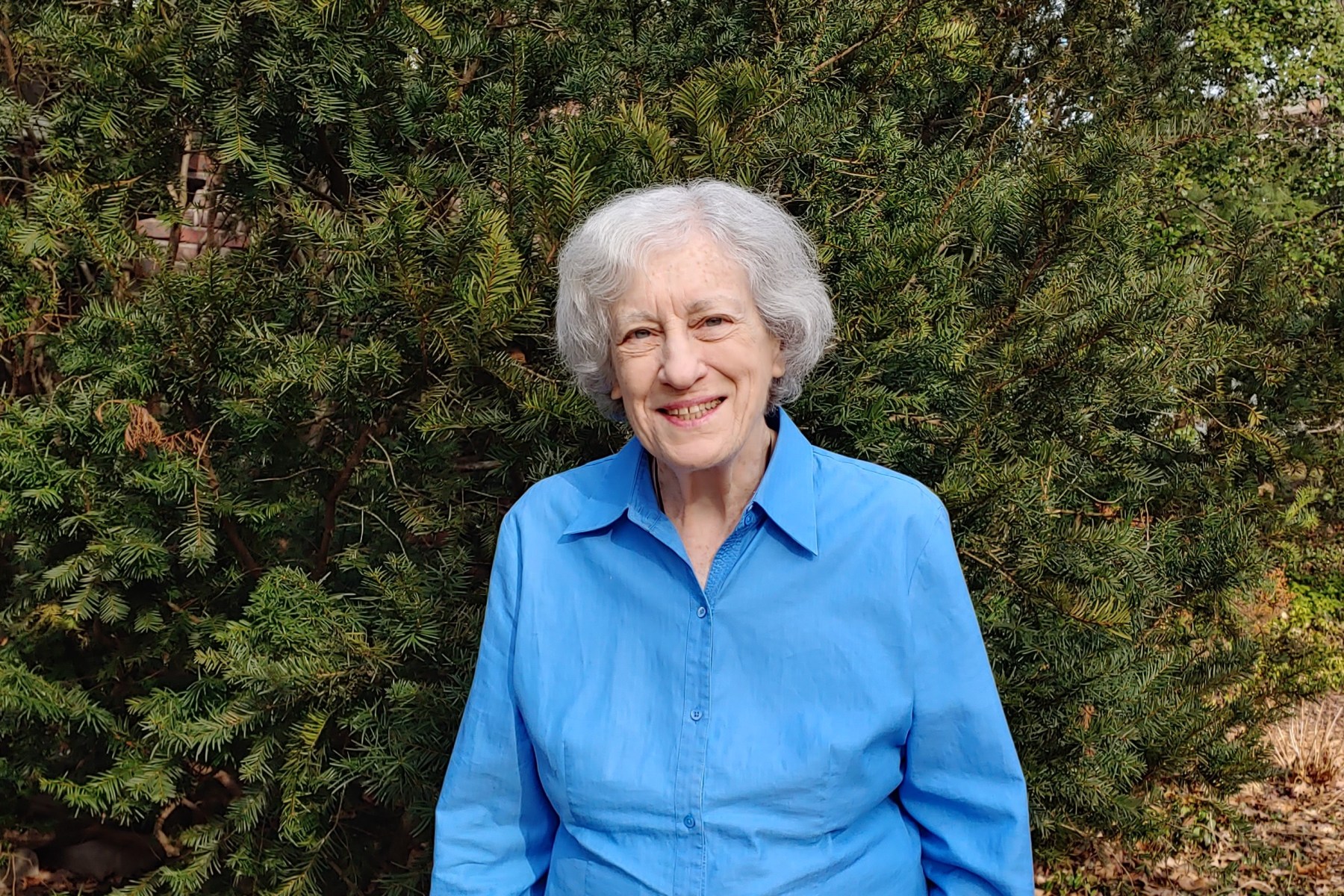

Karen Hood Simpson
By Don Corrigan
Sometimes a new friend crosses your path – the kind of friend who helps you out. You look forward to a lasting friendship. Then something tragic happens, and you realize you did not say “thank you” enough before they exited this life.
Such is the case for me with Karen Hood Simpson. She helped me explore Missouri caves, trails and waterways on a Missouri Outdoor Communicators’ (MOC) trip in June to the Pulaski County area and the Gasconade River watershed.
Karen, who worked with the Pulaski County Tourism Bureau for more than a dozen years, helped this city boy enjoy some Ozark nooks in the forest and on the river – and to breathe in a little fresh mountain air.
The MOC get-together was at Gasconade Hills Resort, located on a magnificent stretch of river showcasing amazing scenery, caverns and local wildlife including eagles, otters and deer.
She helped with arrangements for a canoe float not far from the cold spring waters that flow into the Gasconade and Big Piney rivers. It was a scenic on-the-water trip in the vicinity of Devil’s Elbow, a bluff area full of lore from a time when lumber men floated timber down the river.
In the evenings, there was time to relax at the Piney River Taproom. One eating and imbibing excursion involved time at the newly-opened Heritage Cultural Art Center on Route 66 in Waynesville.