
By Don Corrigan
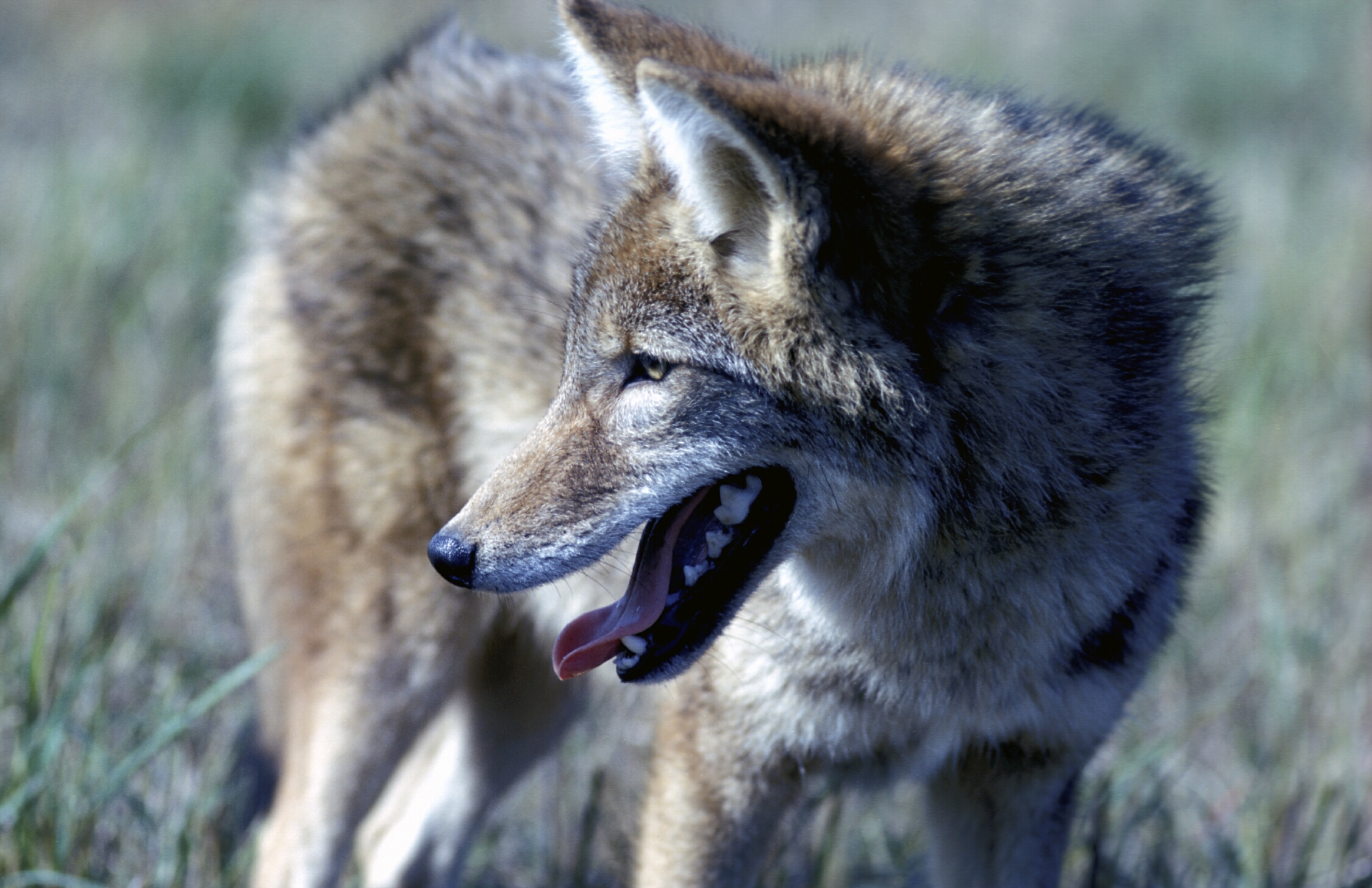
Photo: MDC
Coyote sighting photos have been finding their way onto Facebook sites in the St. Louis area. If you want to know why the wily coyotes are now appearing in abundance, blame it on … cicadas. Cicadas?
“This is an exceptional year for seeing coyotes on the landscape,” said Erin Shank. “This is due to the cicada emergence last spring, which produced plentiful food resources. This has led to high survival rates for coyotes and many other species.
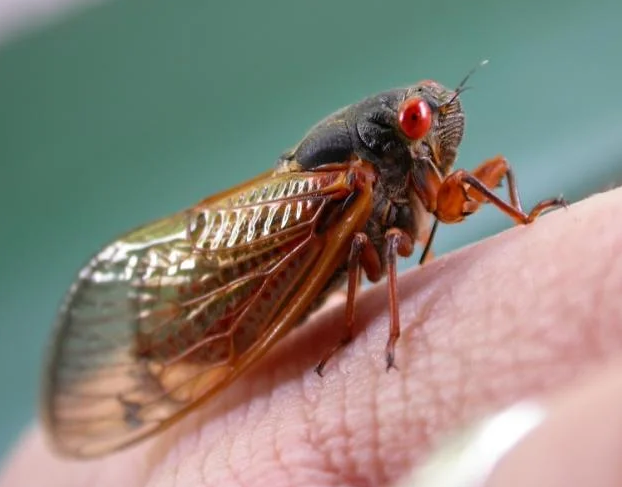
Photo: MDC
In other words, many critters enjoyed some ready-made dinners – feasting on literally billions of cicadas last year. Among the many diners were coyotes and their pups who benefited from a banner year of bountiful bugs in 2024.
“The most important item to stress now is to not feed the coyotes, whether on purpose or inadvertently,” said Shank, a once-familiar face at Powder Valley Nature Center in Kirkwood.
These days Shenk spends a lot of her time at Busch Wildlife Center. She works there as the St. Louis Region Community and Private Land Conservation Unit Supervisor for the Missouri Department of Conservation.
Shenk has a soft spot for coyotes, but she concedes their presence in St. Louis suburbs can become problematic, especially if they become aggressive. They should not be fed.
“The cicadas are gone, but coyotes are here and they’re very opportunistic eaters. They’ll feast on anything from pet food to trash,” said Shank. “Fed coyotes have a much higher tendency to become a nuisance.”
Coyotes can easily pass for man’s best friend, the family dog, especially when they are young pups. But coyotes alienate humans with their scavenging, growling, and a willingness to eat practically anything, including household pets.
Unless given a reason to be fearful of man, coyotes can be bold around humans. In their search for food, these creature will visit neighborhoods … making return trips if not dissuaded. Coyotes are opportunistic predators.
“February through early spring is typically the busiest time of year for coyote reports,” noted Shenk. “Coyotes are stressed for food resources and travel more to find what they need. In addition, without heavy foliage they’re more visible this time of year, so our phones ring with coyote concerns.”
Suburban Sightings
“I know they’re being seen in Kirkwood, because I live south of Manchester Road and have seen them in my own neighborhood,” said Kyle Henke, director of the Parks & Recreation Director for Kirkwood.
“Back in January, around the time of the snowstorm, there were several on my street,” said Henke. “One just stopped and stared at me for a long time, which was a little spooky. But he was just waiting for another one to come out of my yard and then they left.”
Henke said there haven’t been any sightings at Kirkwood Park. However, he said coyotes seem to be nocturnal and there’s no one in the park late at night to report their presence.
Coyotes have grown in numbers, especially across the western U.S. This has increased the popularity of coyote killing contests in which the hunters who snuff out the most coyotes win cash prizes.
The Humane Society of the United States and other groups oppose these events which they view as animal cruelty for cash prizes – akin to blood sports such as cockfighting and dog-fighting.
Many U.S. hunters oppose wildlife killing contests and bounty programs, which damage the image of their sport and stir up anti-hunting sentiment. The Humane Society and Project Coyote have co-founded the National Coalition to End Wildlife Killing Contests.
“Missouri does not have a bounty program for coyotes,” said Shenk. “There are some state-run and county-run ‘incentive programs’ which pay for individual coyotes harvested, but not in Missouri.
“These programs are not effective, as coyote reproduction is influenced by social structure,” explained Shenk. “Unlike species such as deer, not all female coyotes breed each year. Typically the dominant females will breed and the non-dominant, often younger, females will not.
“Upsetting that social structure via random taking of coyotes can actually cause an increase in reproduction, because their dominance hierarchies are destabilized,” Shenk said.
Although coyote hunting contests in some states can reduce their populations, it’s more likely that roadkill highway accidents exact the biggest toll on the lives of coyotes.
“Doggedly Focused”
 “Like dogs, coyotes tend to focus ‘doggedly,’” said Shenk. “They will chase a rabbit across a road, or become curious about what’s on the other side of the highway, and simply wander right in front of a high-speed vehicle.”
A study in 2007 declared coyotes to be successful in adjusting to urbanized landscapes, with high survival rates, while frequently in “close proximity” to people. The study did note the major, singular cause of coyote deaths was roadkill.
Fans of coyotes, such as the Atlanta Coyote Project, have argued that they should be declared as the national animal. Drivers may want to be extra careful to avoid running over what could be the official American national animal sometime in our future.
 Environmental Echo