
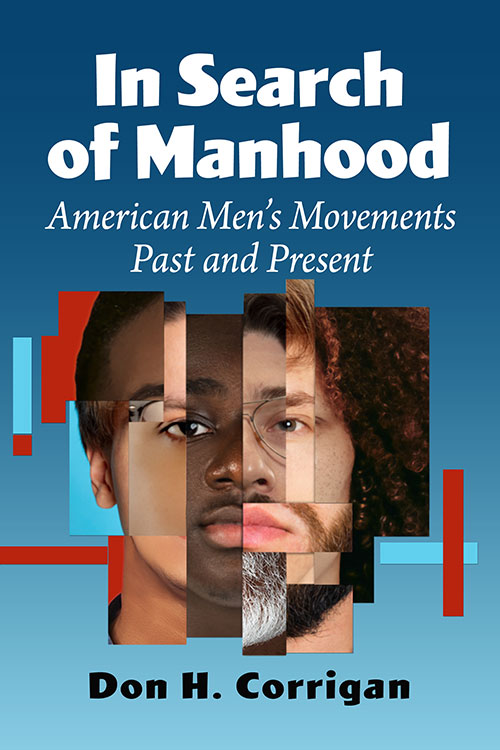
 by Don Corrigan
Study environmental disasters in America and inevitably you will find toxic men behind the scenes. They’re the “deciders” who mindlessly release dangerous materials into the air, into our rivers and lakes, into caverns, caves and landfills.
Examine the various histories of lead contamination, dioxin dispersal, plastics pollution, radioactive waste dumping, and chemical releases and inevitably you will find the male CEOs in the top offices and the men in the board room.
The Mr. Burns character in the animated FOX-TV series, The Simpsons, is a recurring character and not just a cartoon fantasy. He exists. Mr. Burns is the devious, greedy, billionaire owner of a pollution-generating nuclear energy operation.
He is assisted at all times by loyal, sycophantic advisers. Burns is between 80 and 120 years old. He is a stereotype of corporate America with his desire to increase his own wealth and power – and displays an inability to feel sympathy for underlings or victims of his perfidy.
The threat from toxic contamination of our environment will never, ever completely go away until we can reduce the toxicity of men in power – and actually redefine what real men should be.
McFarland Publishing will publish, In Search Of Manhood: American Men’s Movements Past and Present, in August. The book looks at popular culture characters that can only be described as “toxic.”
The book also looks at the way men join movements to establish their manhood. When it comes to nature and the environment, some of these men’s groups preach that nature is to subdue and concern about the environment is for “girly men.”
Manhood must be defined in new and different ways in order to have a healthy planet and healthy places to live. It is not “girly” to care about nature, and it’s good to remember that Mother Nature is probably a female.
Redefining Manhood
Redefining manhood requires new icons and new adjectives for masculinity, but the old identifiers and attributes for manhood do not all have to be consigned to the dustbin of history.
Manhood can still be served by courage, daring, enterprise, independence, spirit, and determination. However, masculine identity also can be served by such traits as compassion, empathy, tolerance, forbearance and collaboration.
Men who sincerely desire to live more holistic and healthier lives will put new emphasis on empathy over stoicism, sympathetic collaboration over aggressive independence, reconciliation over belligerence.
Clinical psychologists addressing toxic masculinity in therapy sessions offer the following advice for their clients:
– Do an inventory of past actions that would classify as toxic masculine behavior; resolve to end such conduct and to call it out when exhibited by other male acquaintances.
– Realize there is no single path or profession for masculinity. A landscaper, florist or a nurse practitioner can be just as much of a man as a coal miner or an oil driller.
– Discourage admiration for toxic male icons of the past (or present) who appear in the worlds of sports, entertainment, politics, or cinema.
– Be vocal. Do not be afraid to denounce bullying, or shaming, or joking at others’ expense. It’s not sissy behavior to care about the birds and the bees, the rivers and the trees.
– Be a change agent. Encourage young men to be activists on climate change, or sensible land use, recycling or sustainability. Campaigns against bullying can also help in the search for a new definition of manhood.
(Don Corrigan’s manhood book is now available at Amazon Books or at McFarlandBooks.com. To order signed books at a discount, or to schedule a book discussion event, send details of your request with a self-addressed stamped envelope to: Don Corrigan; P.O. Box #6, Fenton, Mo. 63026. Or reach the author using Contact Information at EnvironmentalEcho.com.)
 Environmental Echo