Monthly Archives: April 2021

Tree Book Inspires “Men and Women Who Plant Trees”

IMG_6818

By Don Corrigan

Both Kirkwood and Webster Groves have been designated individually as a Tree City USA. That classification reflects citizen appreciation for large leafy wonders. Now some local folks are extending their love of trees to the Katy Trail and the Missouri River Valley.

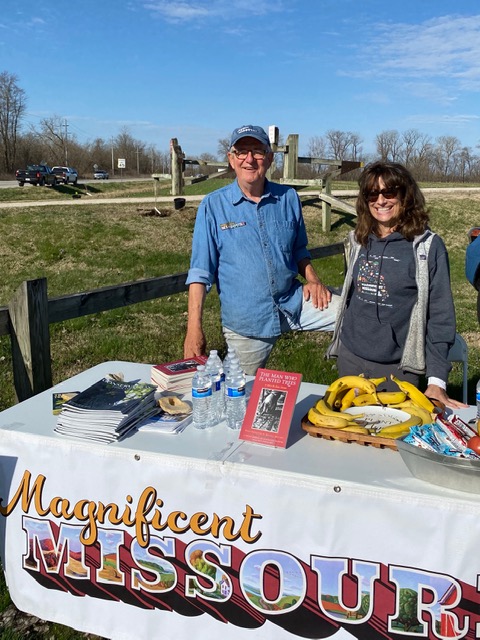
Among those involved are Bill Spradley of Kirkwood’s Trees, Forests and Landscapes and Mike Rood of Pea Ridge Forest. They are extending their arbor expertise to an area of the Katy Trail in eastern Missouri. Hikers and bikers will enjoy new trees in trail locations such as Marthasville, Peers and Treloar. In addition to beautifying the sites, the tree canopy will protect trail users from summer sun and stave off trail erosion problems. It’s all part of a partnership between Forest Releaf of Missouri and Magnificent Missouri to plant hundreds of trees along the trail over three years.

“The trees we are planting were grown in our Missouri River bottom nursery in Creve Coeur Park and will find permanent homes near the Missouri River,” said Meridith Perkins, executive director of Forest ReLeaf. She said the project covers the Katy Trail “between Hermann and St. Charles to provide habitat, erosion control and shade for generations of Katy Trail user.” To celebrate the launch of this effort, a special edition of the conservation book, “The Man Who Planted Trees,” has been printed. The celebrated fable captures how planting trees can transform a landscape. It has sold more than 250,000 copies.

The book is now available at Pedego Electric Bikes in Oakland near the north trailhead of Grant’s Trail. It also can be ordered at MagnificentMissouri.org.

“We hope that this project, and our special edition of ‘The Man Who Planted Trees,’ will inspire Katy Trail riders and others to become acquainted with the benefits of tree planting, especially Missouri native trees, and the many wonderful species that Forest ReLeaf grows,” said Dan Burkhardt of Magnificent Missouri.

Continue reading

Department of Natural Resources Annual Photo Contest Now Open

The Missouri Department of Natural Resources is now accepting entries for its annual photo contest. Winning entries will be featured on the department’s social media platforms. The deadline to submit photos is Oct. 1.

Entries can include images from anywhere in Missouri, featuring beautiful natural resources, unique  state parks and historic sites, natural phenomena, outdoor recreation, scenic landscapes, weather, wildlife and people enjoying the outdoors.

Contestants can submit entries in the following categories:

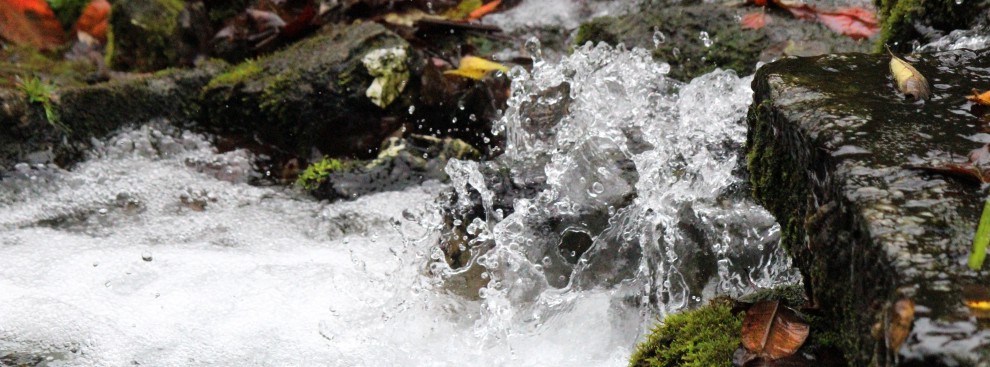
  • Natural Resources: Photographs of Missouri’s air, landscapes and waterways.
  • Unique Places: Photographs taken within one of Missouri’s state parks and historic sites. For a list of all parks and sites visit mostateparks.com.
  • People Enjoying Missouri’s Outdoors: Photographs of people enjoying and exploring Missouri’s great outdoors.

Judges will choose first, second, third and honorable mention winners for each category. For more information or to submit photos, visit dnr.mo.gov/photocontest. Questions about to the photo contest can be sent to socialmedia@dnr.mo.gov.

University of Missouri Scientists Receive $4 Million Grant To Study COVID and Virus Variants Found In Community Waste Water.

The University of Missouri (MU) recently published information announcing a two year study of the COVID virus and the virus variants found in community wastewater made possible by a $4 Million grant. Please read below for more from the MU press release and link to the article.

University of Missouri scientists receive $4 million grant from the National Institutes of Health to examine clues about the rate of infection in communities and virus variants.

Using the 2-year, $4 million grant from the National Institutes of Health, scientists at the University of Missouri are collaborating with the Missouri Department of Health and Senior Services, or DHSS, to figure out how differing levels of SARS-CoV-2 can appear in a community’s wastewater.

READ THE STORY FROM THE UNIVERSITY OF MISSOURI HERE.

Imagination, Creativity and the Arts In Service Of The Environment

by Don Corrigan

We are in a time of rebirth, resurrection and the revival of the creation. It’s spring. It’s also a time for renewal and the new energy of MICA, which happens at the First Congregational Church UCC in Webster Groves, a suburb of St. Louis.

What is MICA?

MICA is the Ministry of Imagination, Creativity and the Arts, a concept developed by the Rev. Cliff Aerie. That concept has inspired “Journey through the Creation,” a year-long program with an environmental emphasis funded through a Lilly Grant from Calvin Institute of Worship.

“Our first program on earth, art and faith, featured environmentalist Jean Ponzi and storyteller Valerie Tutson, and was held last September,” said Aerie. “We’ve had to push things back due to the pandemic, but our final program will be on June 13 and will feature the Oikos Ensemble in an afternoon concert, Earth Walk 3.0.”

A program put together on March 20 featured community artist Tia Richardson and Michael Smyer, an expert on gerontology and CEO of Growing Greener: Climate Action for an Aging World.

“These webinars and worship services all coincide with the changing of the seasons,” noted Aerie. “The June program will be the capstone. If the pandemic continues to wane, we expect a concert to be held live.

“The concert may be outside,” added Aerie. “If not, we will bring outside inside, which we’ve done before through the generosity of Rolling Ridge Gardens. They have let us borrow trees to transform our sanctuary into a forest. Either way we will be blending jazz, stories, poetry, dance with video vignettes from our two previous webinars.”

Members of First Congregational Church UCC have been critical to the efforts of “Journey through the Creation.” Members of the planning team include Jan Barnes, Chris von Weise, Halley Kim, Debbie Tolstoi, John Paci, Phil Shoulberg, Ian Didriksen, Elston McCowen, Leon Burke III and Dave Denoon. Aerie serves as project director.

Continue reading

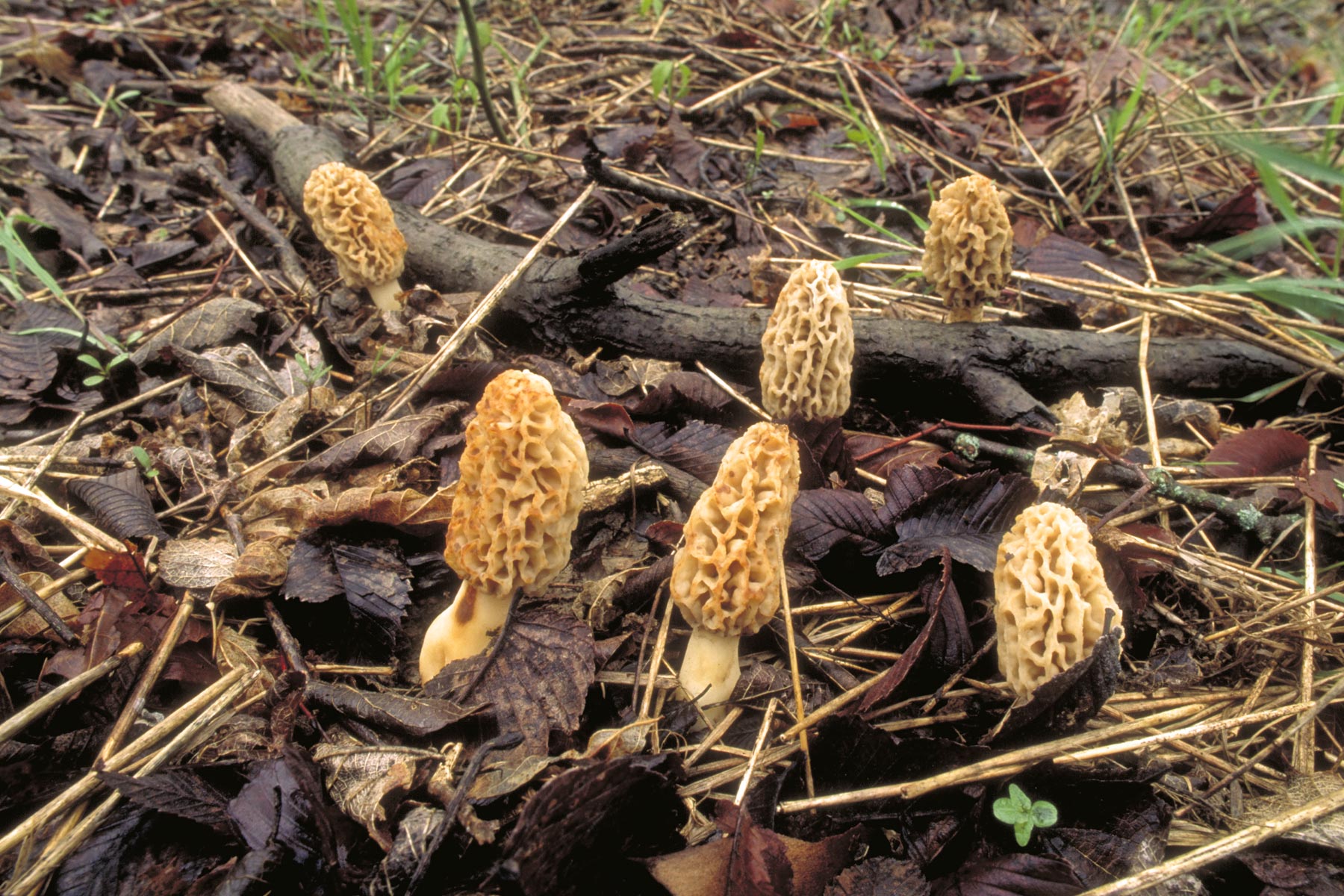
It’s Time For Morels!

common-morel

Photo by MDC Staff, courtesy Missouri Department of Conservation.

The Missouri Department of Conservation offers an abundance of information about Missouri’s nature wonderland. Early spring can offer a fun adventure in the form of mushroom hunting! Check out the MDC’s communication about all you need to know for finding those tasty golden shrooms – The Morel! 

To the uninitiated, a morel does not have the most appetizing appearance. Its brain-like form looks like something out of a campy horror movie, and a morel’s neutral, earthy color doesn’t command much attention. From about late March to early May, however, foraging for these small mushrooms is serious business—a business so serious that many folks refuse to reveal their morel spots even to their closest friends and family!

The question many people ask this time of year is, “How can I find morels?” Well, morels are finicky fungal organisms. The underground portion of the fungus only produces mushrooms in some years—mostly based on soil temperature and moisture availability (but other factors play a role, too). Ultimately, most of what we know about finding morels is anecdotal and widely variable, but here are a few tips to help you narrow down good places to look for morels:

  • Morels commonly appear after warm, moist spring weather with daytime temperatures in the low 70s and nighttime temperatures in the 50s.
  • South and west facing slopes are good sites to look for morels early in the season, with north and east slopes being better for later-season morel hunting.
  • Morels tend to favor tree species such as elms, ashes, cottonwoods, and even domesticated apples. Look around recently dead trees but beware of falling branches!
  • Areas disturbed by flooding, fire, or logging often produce loads of morels.
  • Morels peak when lilacs bloom!
  • Most public lands in Missouri allow the collecting of mushrooms for personal use, but always check the regulations before you collect to be sure.

Remember, these are just general guidelines – morels have been found growing in all sorts of locations and conditions!

Before setting off into the forest, make sure you know how to correctly identify morels. Misidentifying and consuming toxic mushrooms can cause anything from mild stomach issues to organ failure or even death! There are several mushroom species in Missouri, including the big red false morel, which are considered toxic and not recommended for consumption. Consult with field guides or a professional mycologist to be completely confident in species identification before consuming any mushrooms.

Browse MDC’s mushroom field guide for photos of the more common and noticeable fungal species in Missouri. Click here for tasty recipes using Missouri’s wild mushrooms!

Missouri Prairie Foundation & Grow Native! Offer Weekly Webinars & Master Classes in April 2021

GrowLogo

The Missouri Prairie Foundation and its Grow Native! native program continue its popular online programming.

More than 6,000 live attendees have enjoyed the online programming offered by the Missouri Prairie Foundation (MPF) and its 21-year-old Grow Native! program from January through March 2021. MPF continues its popular webinar and master class schedule in April.

During these virtual learning opportunities hosted each week at 4:00 p.m., participants can learn from a variety of speakers on topics such as native rock gardening, monarch butterflies, and native plants and water quality.

Continue reading

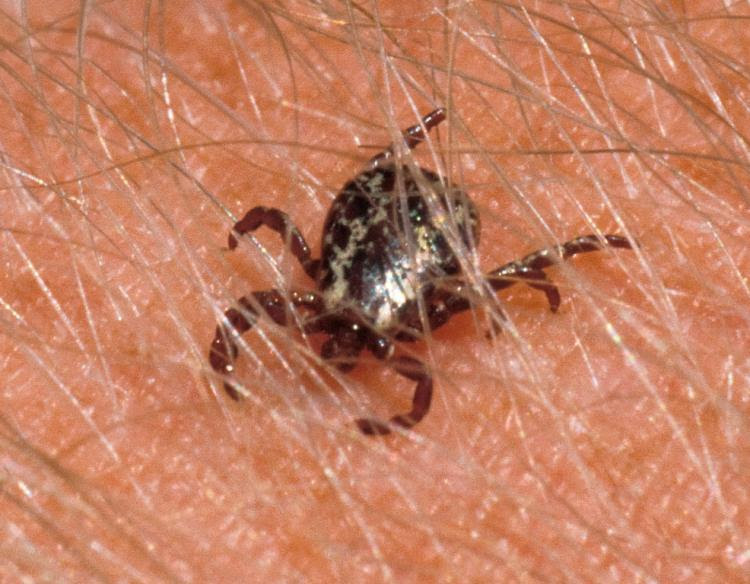
Missourians Asked To Save Ticks and Mail To A.T. Still University For Scientific Research

MDC Tick

Photo by MDC Staff, courtesy Missouri Department of Conservation.

MDC and A.T. Still University are asking Missourians to save ticks they find and send them to the University for scientific research to learn more about ticks and pathogens they may carry.

Most people who have ventured through Missouri woods, fields, yards, and other outdoor environments have encountered ticks. These small, creepy crawlers climb on and cling to clothes and skin in search of a blood meal. Some tick species and the bacterial pathogens they carry can also cause illnesses in people.

The Missouri Department of Conservation (MDC) and A.T. Still University in Kirksville are asking people to save ticks they encounter and mail them to the University. The ticks will be used for a new scientific research study to help better understand the statewide distribution of tick species and the human pathogens they carry.

Continue reading