
by Don Corrigan
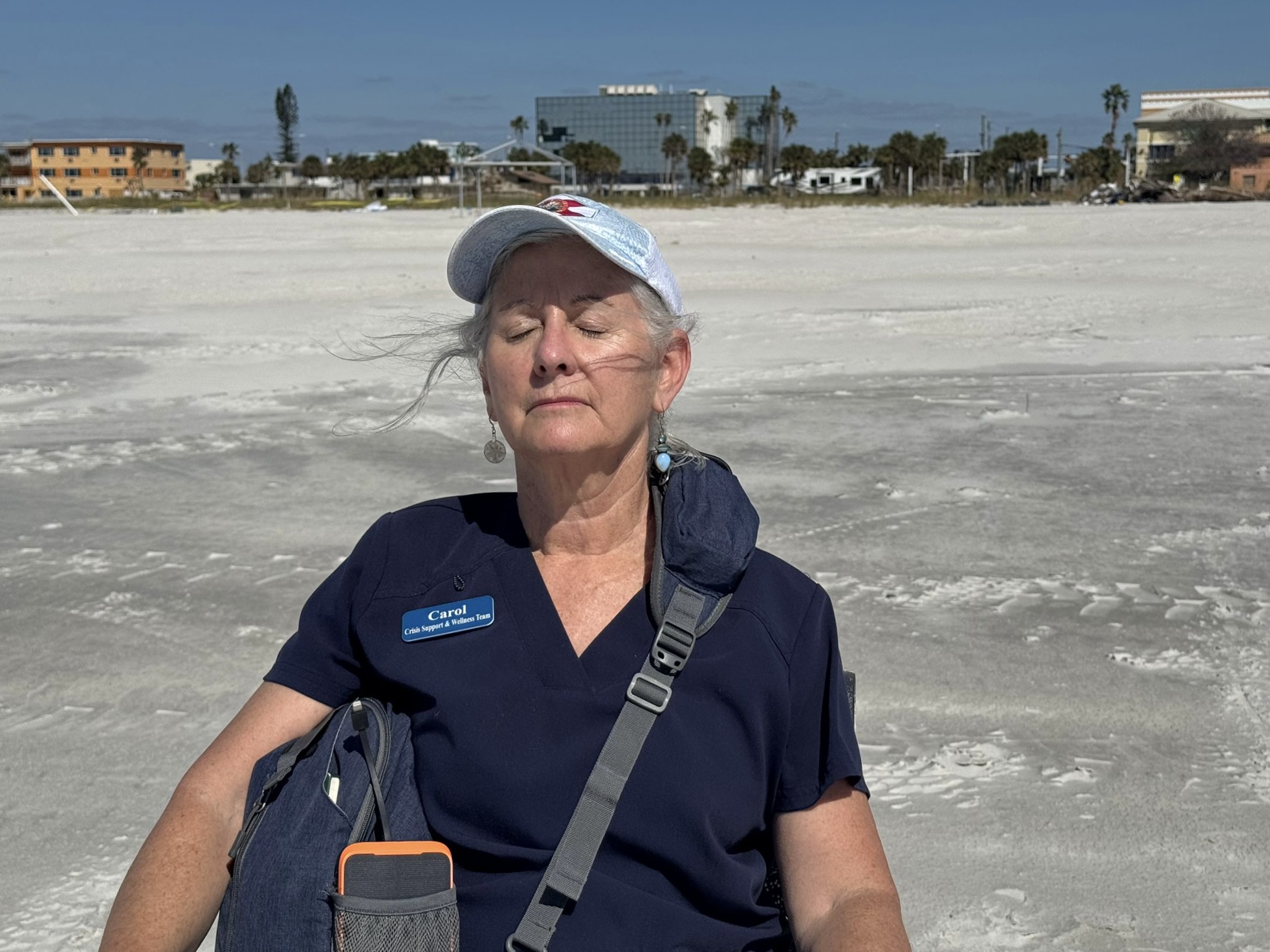
Rare moment of rest on last day of overlapping deployment for Helene and Milton.
After several decades of college teaching, Webster University Art Professor Emeritus Carol Hodson decided to take her expressive arts knowledge on the road – and the road has led to national disaster areas.
“We are having more and more natural disasters in America, from wildfires, to windstorms, to flooding,” said Hodson of Webster Groves. “The victims need more than just physical help or financial support, they are often traumatized. I do trauma therapy.”
Psychologists say what Hodson is engaged in is “climate change trauma,” and there’s more of it every year. Hodson has worked on the scene after hurricanes like Ida in 2021, Ian in 2022, Idalia in 2023, Debby in 2024, Helene in 2024 and Milton in October 2024.
The deadly inferno that hit Los Angeles in January and February of this year has put wildfires on Hodson’s radar. As with hurricane victims, the wildfires have caused significant mental health trauma for many residents, including those who lost homes, witnessed the fires, or were displaced.
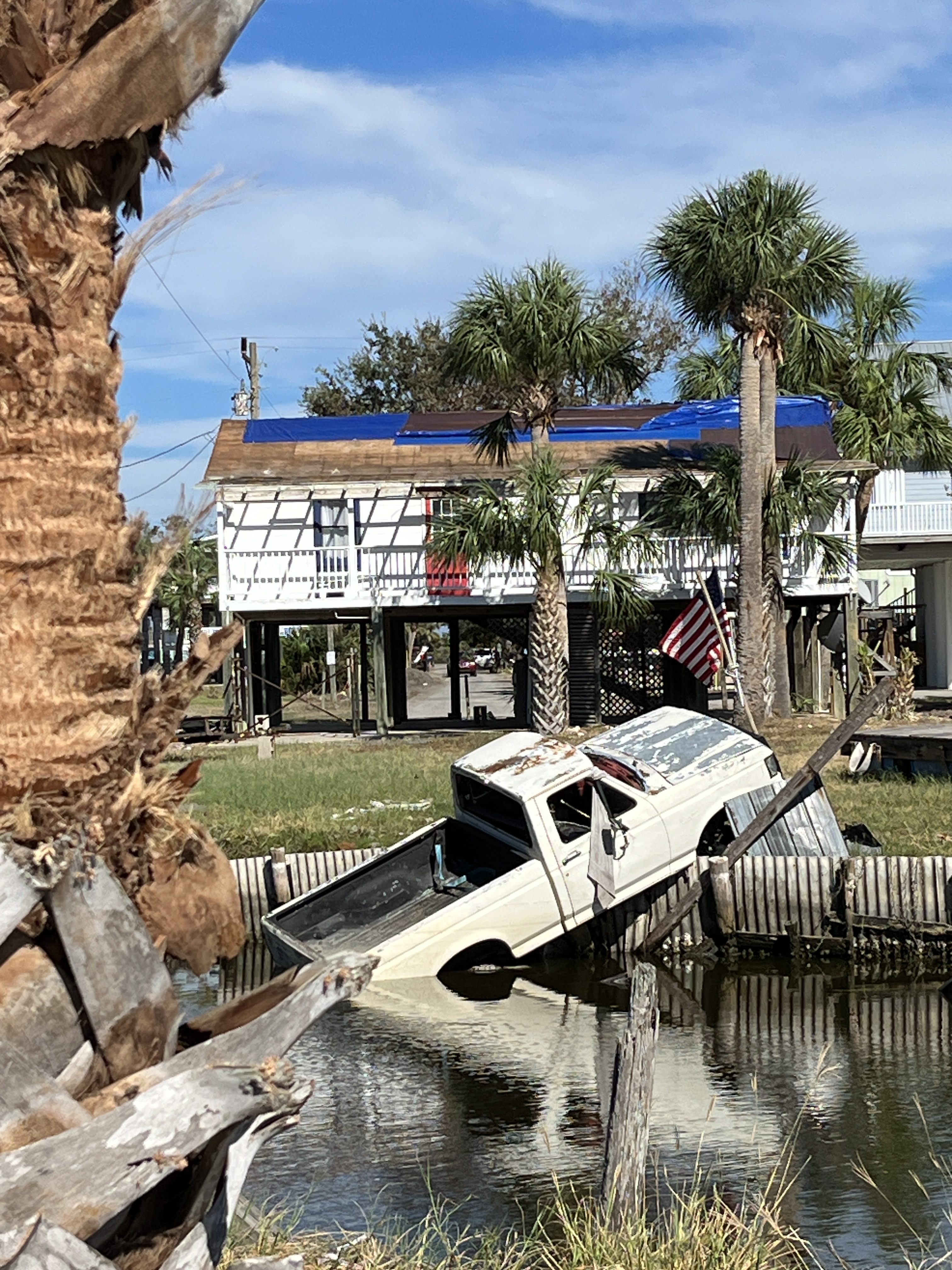
Horseshoe Beach
In the aftermath of natural disasters, individuals feel a range of emotions, including denial, anger, sadness, shock and hopelessness. This emotional response can evolve into later phases of uncontrollable grief, hyper-anxiety, bitterness and depression.
Additionally, people can develop post-traumatic stress disorder (PTSD), which can include intrusive thoughts, nightmares and suicidal tendencies. Increased risk of chronic health conditions and the risk of self-harm is often present.
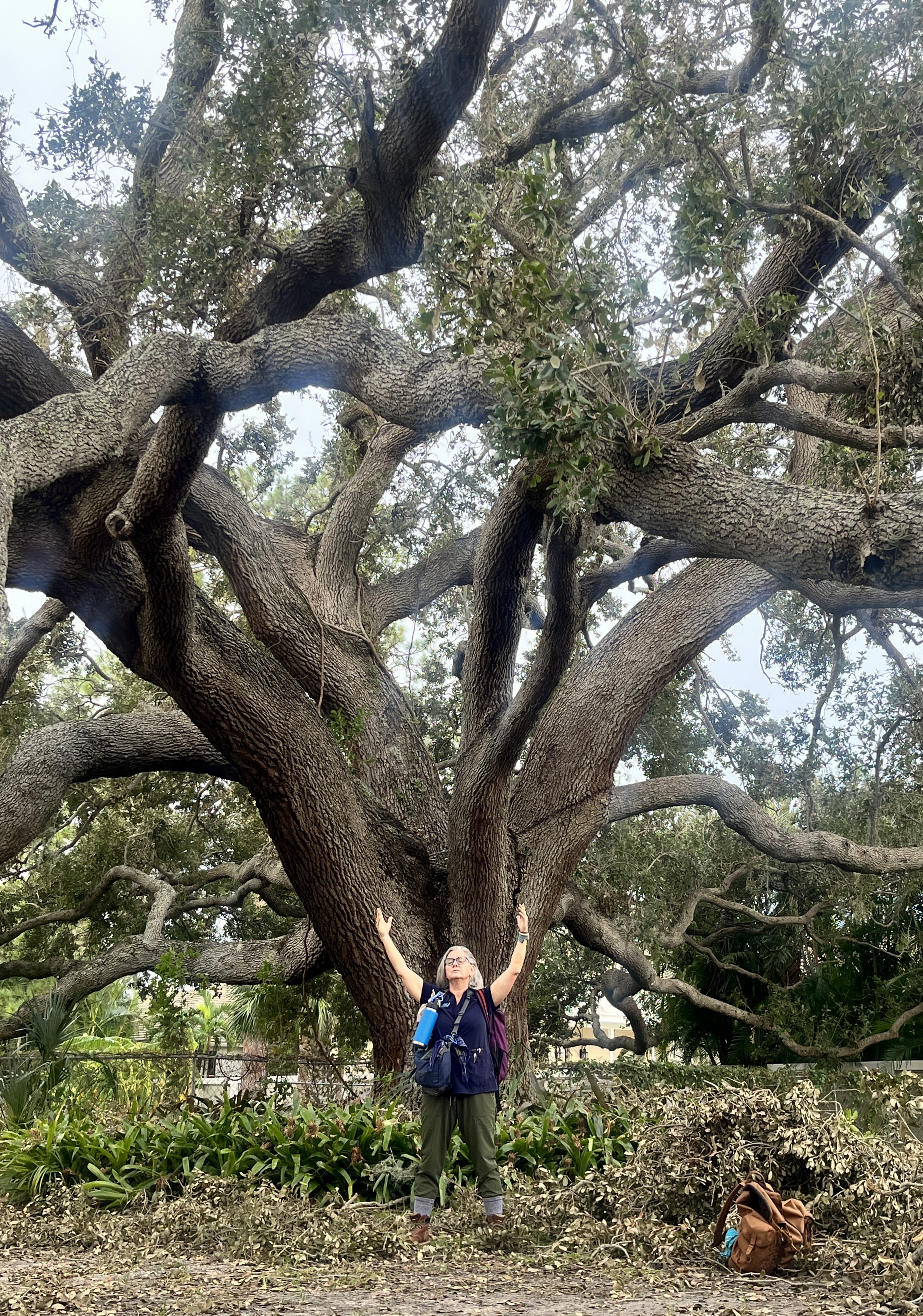
Florida Live Oaks like this in Pinellas County, are a symbol of resiliency especially after consecutive impact of Helene and Milton.
“I’ve been in situations after hurricanes where people completely close off and are uncommunicative,” said Hodson. “Their homes are splinters and their lives are shattered. They have witnessed injuries and even deaths that are debilitating for them.
“Our first job is to look as non-threatening as possible,” said Hodson. “We wear scrubs to assure those who may be wandering around in the destruction that we are health workers. We talk and assess the individuals who need our assistance.”
Generally speaking, Hodson said she and other approved volunteers and medical personnel make assessments in three categories: Individuals who are dazed and confused; those who are agitated and often angry; those who are silent and in depression.
From her studies on trauma, Hodson has drawn inspiration and technique from many sources. She is a licensed mental health counselor in Missouri and Massachusetts. She is a certified Expressive Arts Therapist, a Somatic Experiencing™ Practitioner, and Crisis Stabilization Support Counselor.
From Classroom to Crisis
Hodson joined the faculty of Webster University in 1990 as an artist and professor. Early on in her classes on the Webster Groves campus she saw students showing symptoms of addiction, eating disorders, abuse and trauma.
“I have always taught that art can be used as a powerful tool for healing one’s self,” said Hodson. “But it became evident to me that if I were to ethically support students to explore personal issues, I needed more background.
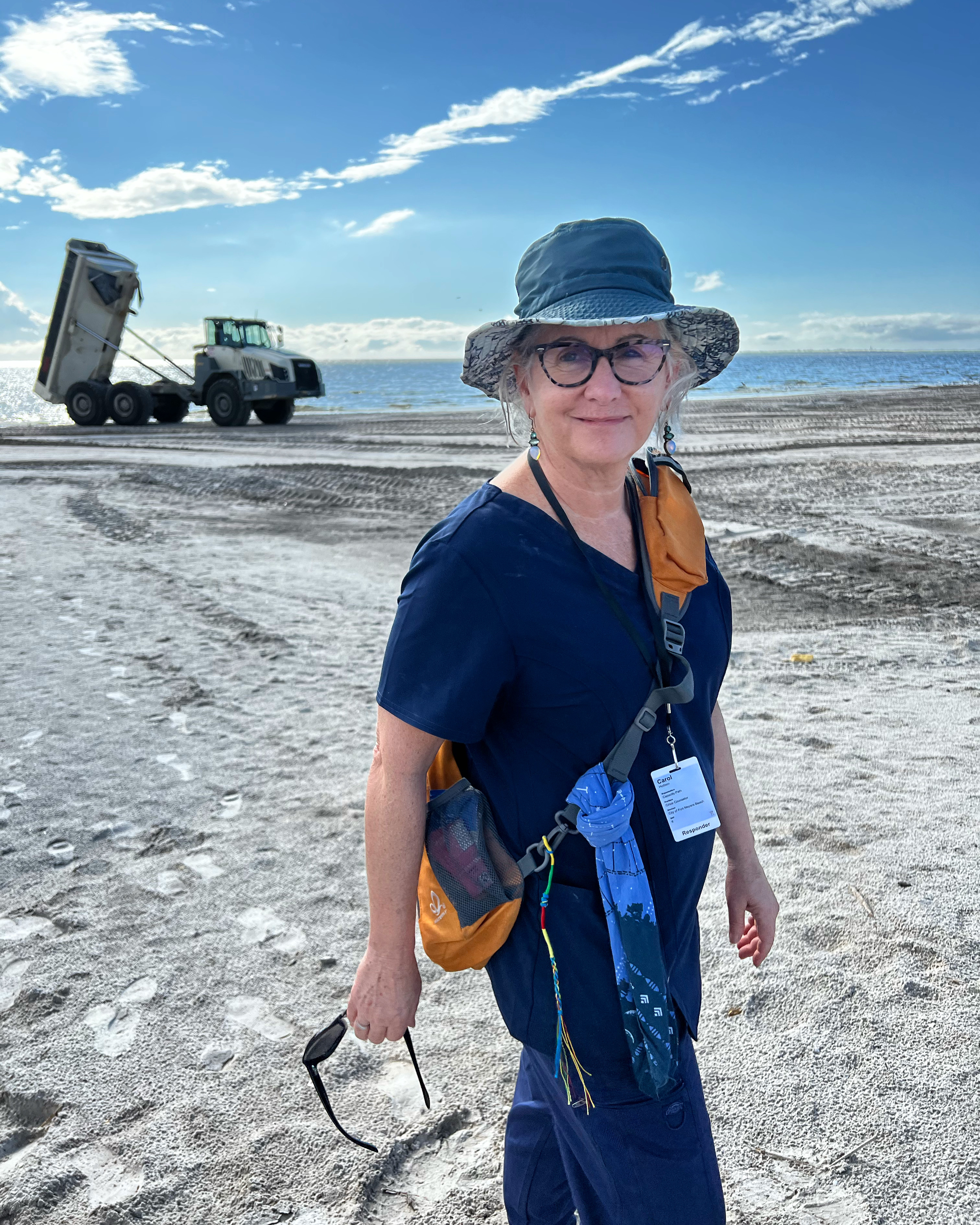
Fort Meyers beach cleanup after Ian
To complement her creative work and artist’s intuition, she sought training as a therapist. She pursued an additional degree track in 2015-2018, attaining an M.A. in Mental Health Counseling with emphasis in Expressive Arts Therapy, from Lesley University in Cambridge, Massachusetts.
After graduation from Lesley, Hodson volunteered over 2,000 hours under the supervision of Dr. Patrick Stack, director of Webster’s Counseling and Life Development Center.
She worked as an Expressive Arts Therapist with Webster students as clients in the Center. At the same time, she has juggled her teaching commitment in the Department of Art, Design, and Art History (DADAH).
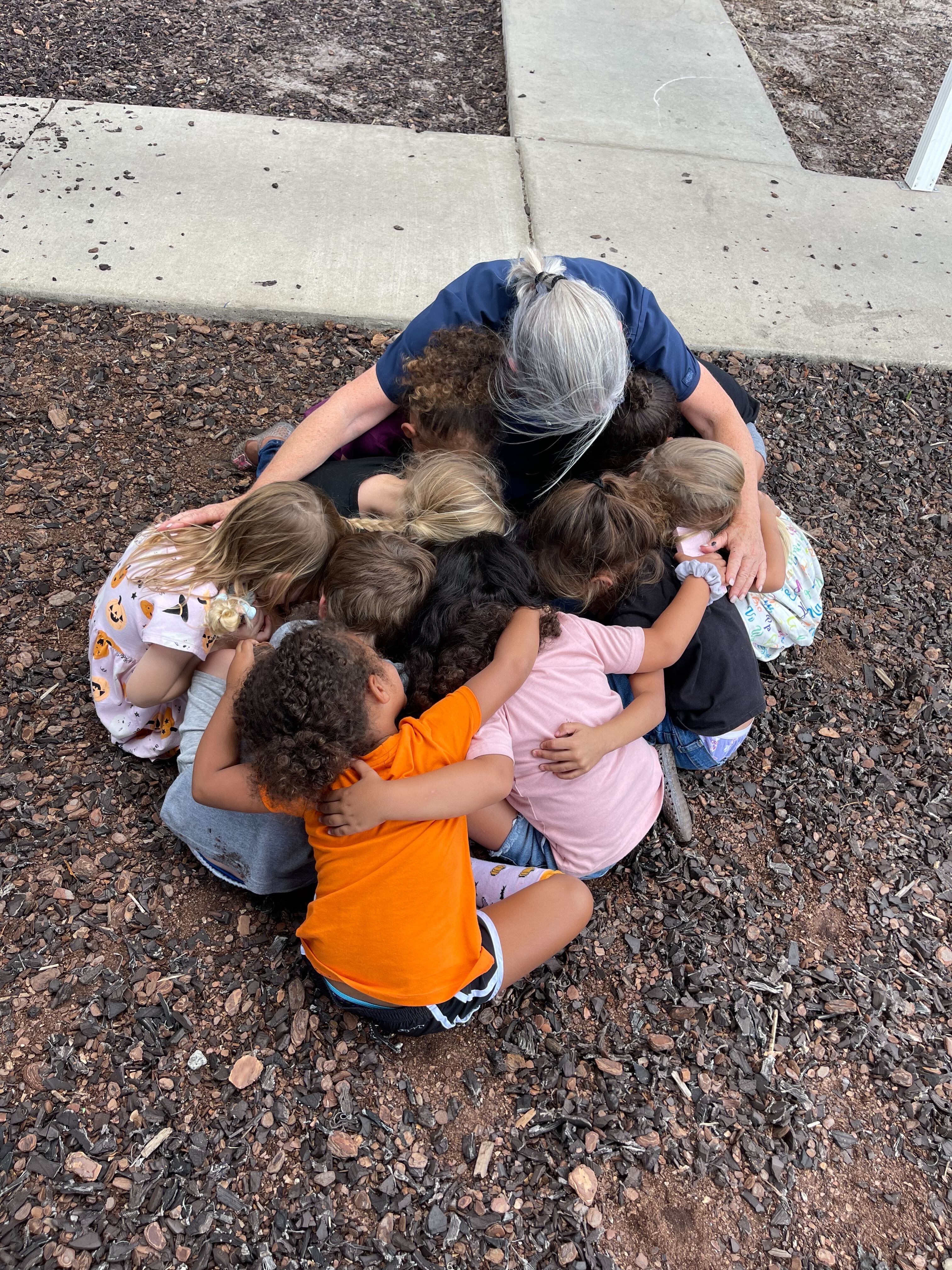
Hodson improvises with pre-schoolers in Perry County
In DADAH, Hodson developed the Certificate in Expressive Arts Therapy that has been offered on the undergraduate level and cross-listed with psychology. She also began thinking about a private practice, which is established now.
“When we were out of the classroom in 2020 because of the COVID pandemic, I continued volunteering through the counseling center to offer support on Zoom. That’s not ideal, but it was useful,” Hodson said.
“Looking through a trauma-informed lens, it was possible to predict at the time of the pandemic, the exhaustion, numbness, and anxiety that some students, faculty and staff are still experiencing now.”
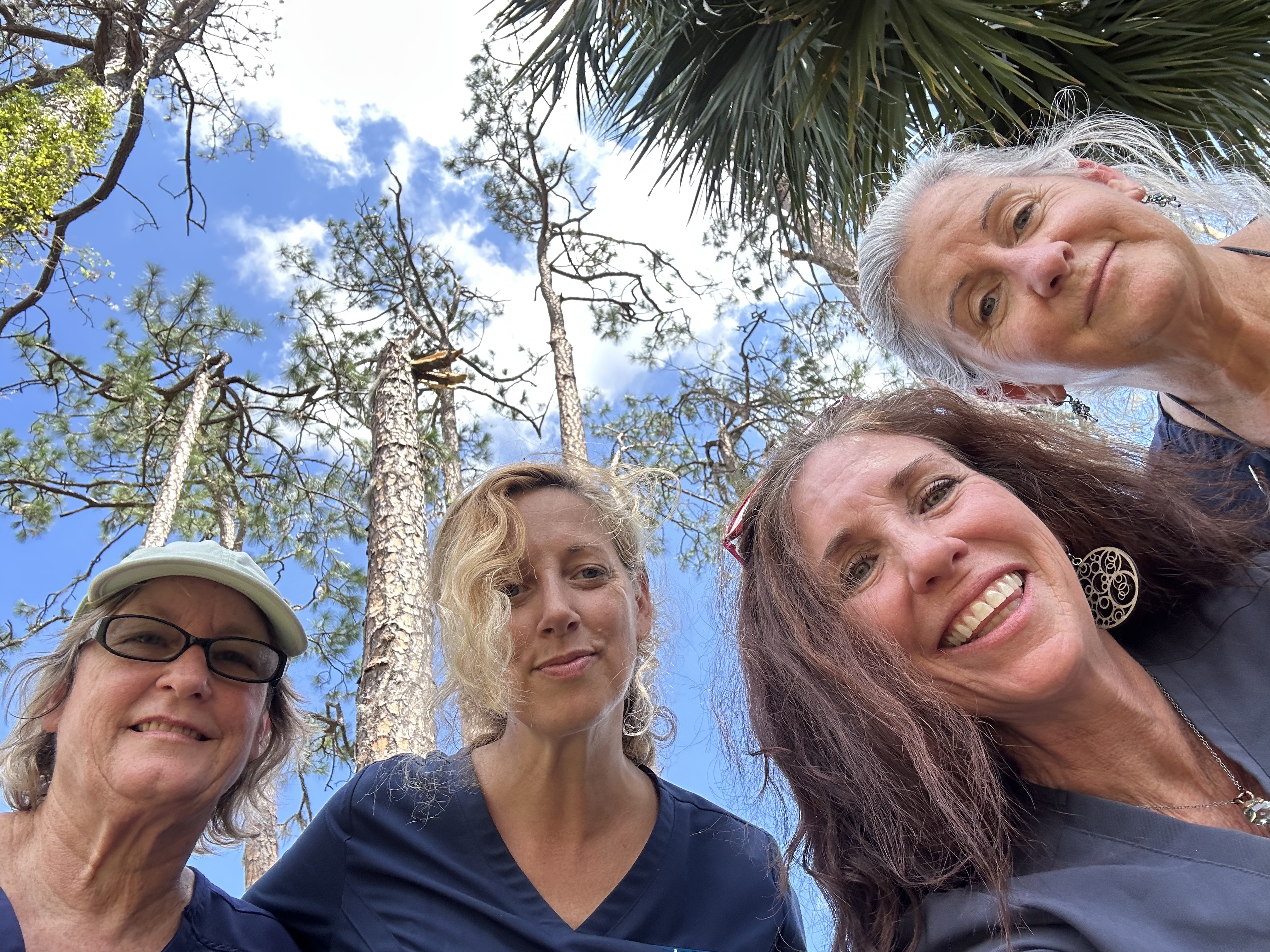
Carrie Phelps-caniosacral, Amie Leigh,commander, Stacy Brown Counselor, Carol Hodson
Trauma Therapy Treatment
Hodson finds that many people think Expressive Arts Therapy must involve sketching and painting, and analysis of what ends up on the canvas. The healing process could involve some of this, but much more is involved.
Expressive arts can include visual creations, music, song, writing, drama, and movement. The arts can empower those suffering from trauma to tap into the power of images, movement, sound, role-playing, and writing as therapeutic modes of communication.
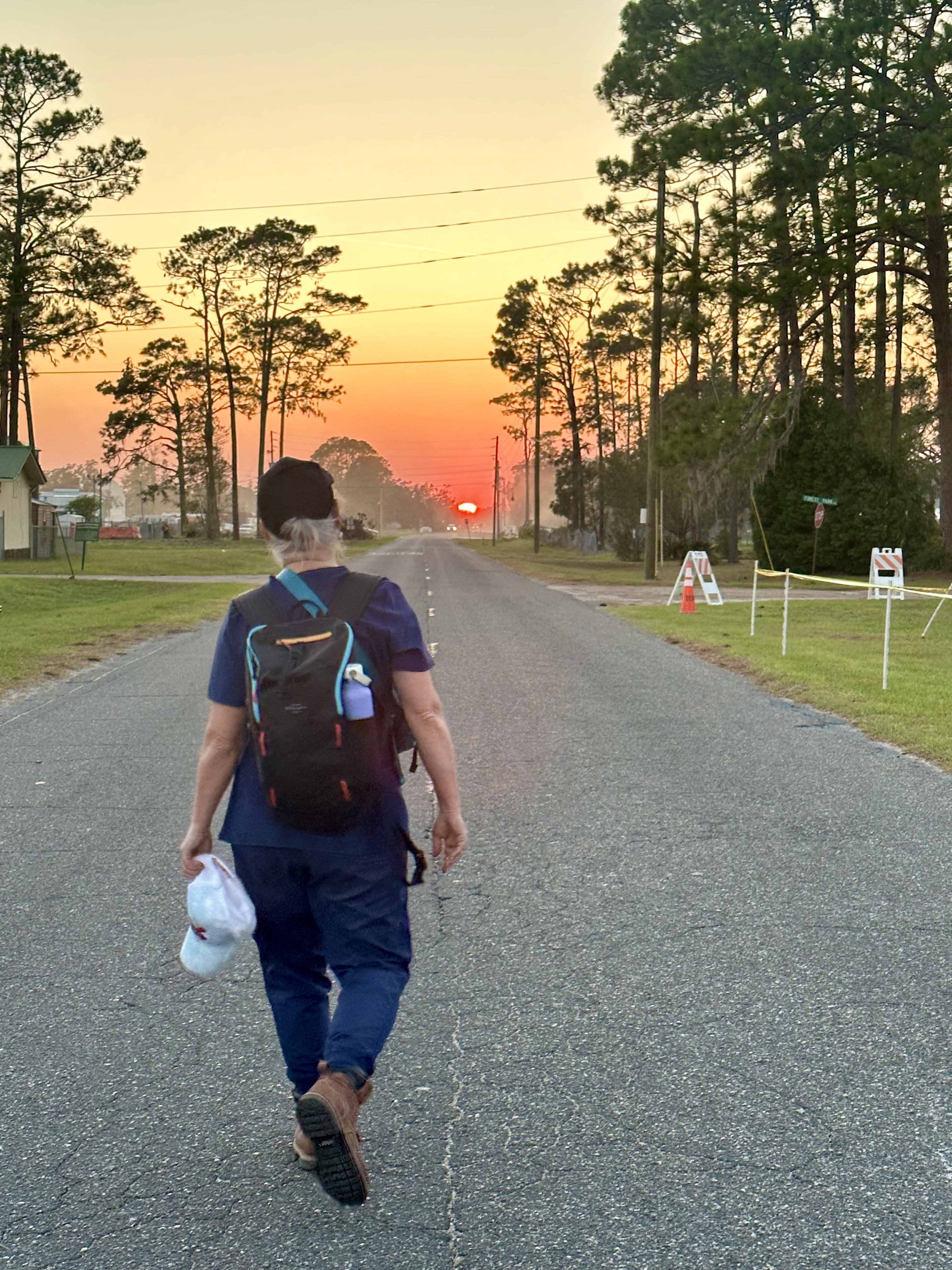
End of a hot, rewarding day
“It’s all intended to reduce the self-blame that can come from the psychological distress of traumatic experiences,” said Hodson. “The mission is to move out of the isolating state of ‘being victims’ and to lean into perceiving oneself and others as a survivors.”
Part of Hodson’s approach is based on the life work of Peter Levine and his Somatic Experiencing™(SE). It’s therapy based on a multidisciplinary intersection of physiology, psychology, ethology, biology, neuroscience, indigenous healing practices, and medical biophysics.
“The goal of SE is to guide the nervous system to more effectively regulate trauma-related responses to stress,” said Hodson. “It’s a gentle approach that helps to release trauma, without the pain of reliving all the details of what caused the trauma.”
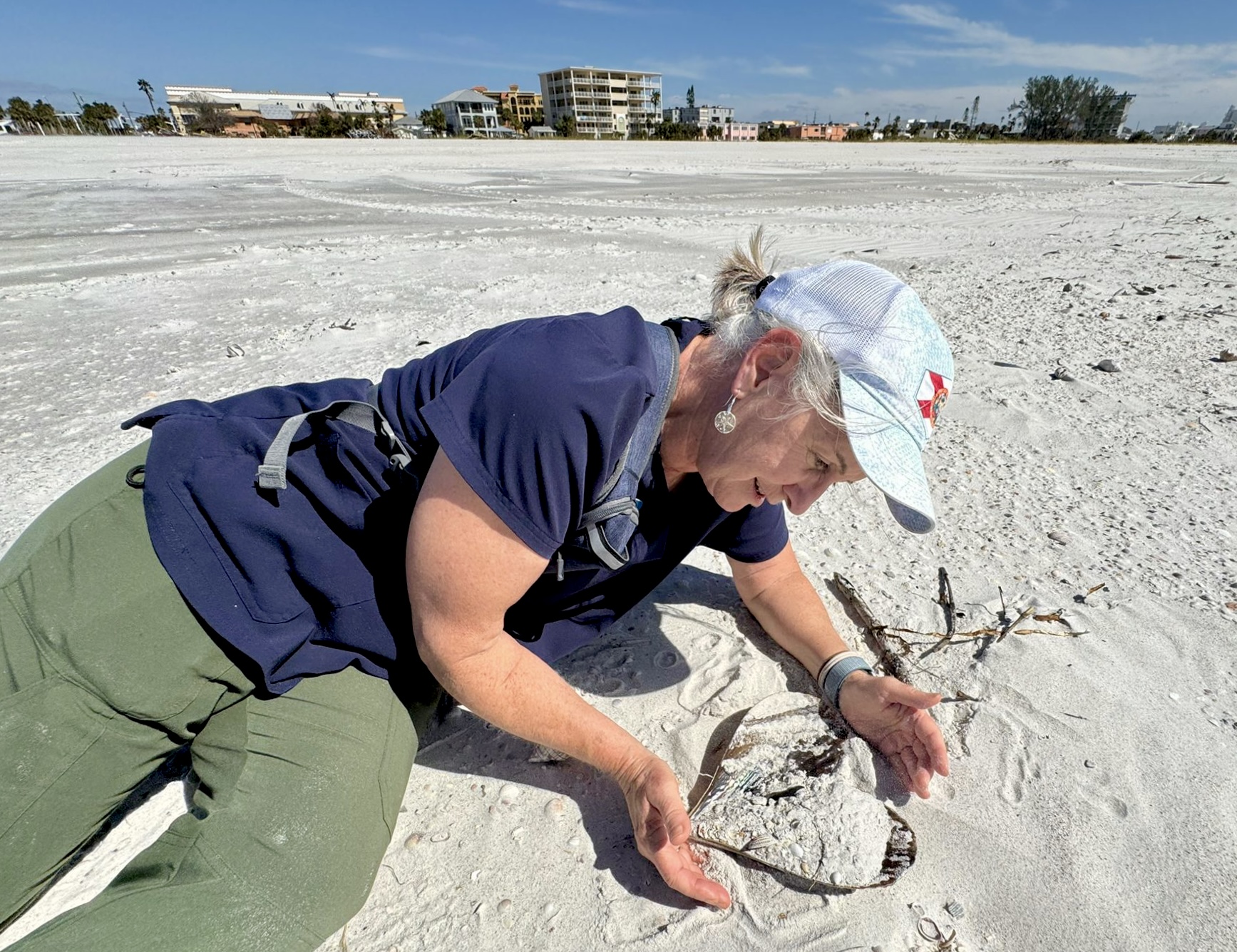
 Environmental Echo